

If you’re searching for a smarter way to cook nourishing meals without spending hours in the kitchen, you’re in the right place. This guide is designed to help you build a sustainable, flavorful approach to everyday cooking—one that blends wholesome foundations, global flavor inspiration, and practical meal prep efficiency.
Many home cooks struggle with repetitive meals, wasted ingredients, and inconsistent planning. Here, you’ll learn how to streamline your routine using a rotating meal plan system that keeps your menu exciting while reducing decision fatigue. We’ll explore heartful ingredient pairings, balanced culinary “pulse” insights, and time-saving prep strategies you can apply immediately.
Our approach is grounded in tested cooking methods, nutrition-forward principles, and globally inspired flavor combinations that have been refined through hands-on kitchen experience and culinary research. By the end, you’ll have a clear, repeatable framework for creating satisfying meals that support both your schedule and your well-being.
Every evening, the same question hits: what’s for dinner? That decision drains energy than we admit. Psychologists call it decision fatigue—the mental wear and tear from making repeated choices (and yes, it’s real). Over time, it nudges us toward repetitive pasta nights, wilted produce, or takeout.
I’m convinced the fix isn’t more recipes; it’s a system. Specifically, a rotating meal plan system that cycles favorites with flavors. Instead of reinventing dinner daily, you build a flexible framework.
In this guide, I’ll walk you step by step through creating a plan that reduces waste, restores variety, and quiets the nightly debate.
The Core Four: Building Your Rotational Foundation
One delicious way to keep your meal plan exciting is by incorporating flavorful dishes like those found in our article on ‘What Is The Best Italian Recipe Tbfoodtravel,’ which can add a delightful twist to your weekly menu.
A four-week rotational cycle is the sweet spot between structure and flexibility. Research shows that adults make over 200 food-related decisions per day (Cornell University Food and Brand Lab), and decision fatigue is real. By mapping dinners across four weeks, you reduce repetitive choices without feeling stuck eating the same five meals forever (because nobody wants “Taco Tuesday” on eternal repeat).
This is where a rotating meal plan system shines. It gives you variety while staying manageable.
Start by brainstorming your Anchor Meals—the reliable, family-approved recipes you could cook half-asleep. Think: lemon herb roast chicken, turkey chili, veggie stir-fry, baked salmon. These are your backbone. If your household consistently clears their plates, that’s evidence enough they belong on the list.
Next, categorize for balance. You might sort by:
- Primary protein: chicken, beef, fish, plant-based
- Cooking method: slow cooker, one-pan, grill
Studies from the Dietary Guidelines for Americans recommend varying protein sources weekly for nutrient diversity. Categorizing ensures you don’t accidentally schedule four chicken dishes in a row (it happens).
Finally, sketch a simple worksheet: draw a four-week grid with seven dinner slots per week. Assign categories first, then plug in Anchor Meals. Seeing it visually reduces stress and keeps variety intentional.
Pro tip: Leave one slot per week flexible for leftovers or spontaneous cravings.
Theme Nights: The Secret to Effortless Variety
If dinner feels like a nightly negotiation, theme nights are your way out. Instead of staring into the fridge like it’s a puzzle you didn’t study for, you assign each day a simple identity: Meatless Monday, Taco Tuesday, Global Flavors Thursday, Pizza Friday. Decision fatigue drops instantly (and yes, that’s a real phenomenon—research from the American Psychological Association links too many choices to mental burnout).
Here’s why this works: you’re no longer choosing from every recipe you’ve ever saved. You’re choosing from a category. That constraint sparks creativity instead of stress. Think of it as a rotating meal plan system that keeps variety high without blowing up your routine.
Take Global Flavors Thursday across four weeks:
- Week 1: Thai Green Curry with Tofu
- Week 2: Italian Pasta Carbonara
- Week 3: Mexican Chicken Fajitas
- Week 4: Indian Chickpea Tikka Masala
Same theme. Four completely different experiences.
Some people argue that themes feel restrictive. “What if I’m craving burgers on Thursday?” Fair. But structure doesn’t eliminate freedom—it channels it. You can always swap days. The point is to reduce friction, not enforce rules like a cafeteria monitor.
Here’s my recommendation: start with four anchors you genuinely love. Keep a short list (3–5 recipes) under each theme. Rotate monthly. Pro tip: repeat one crowd favorite each cycle to build anticipation and cut planning time by at least 25%.
When dinner has a rhythm, variety stops being overwhelming and starts being automatic.
The “Flex Slot”: Planning for Real Life
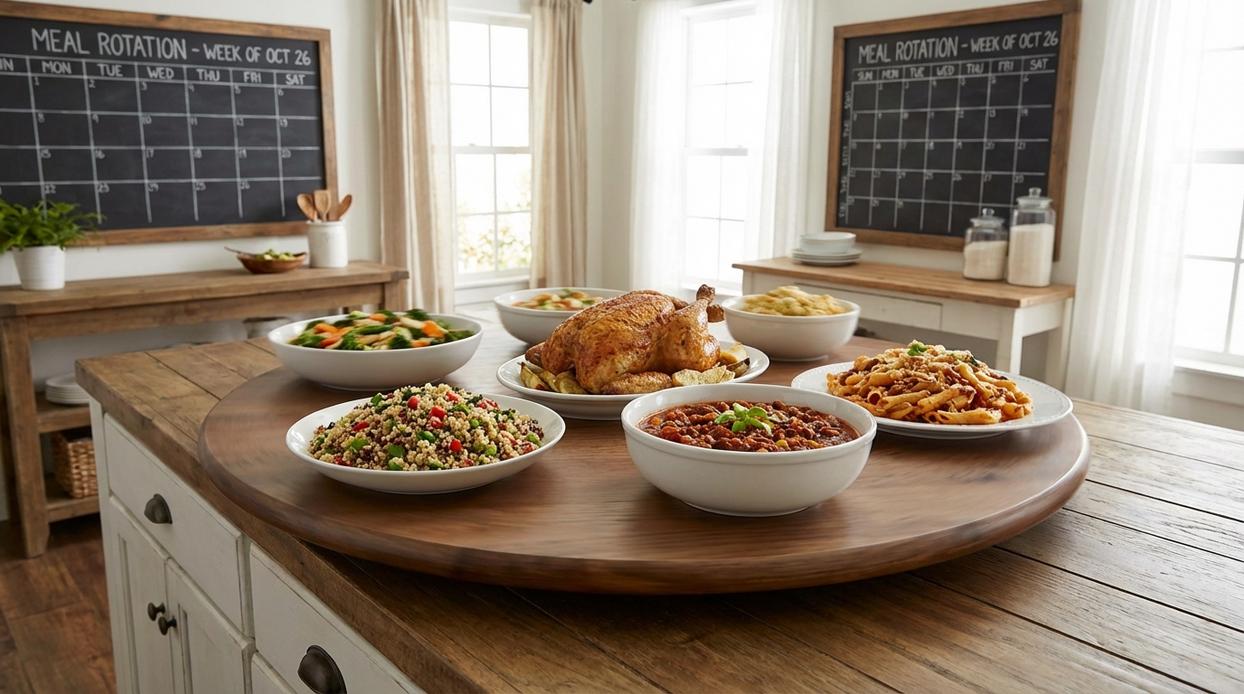
Rigid meal plans look great on Sunday night. Then Wednesday happens. You’re tired. There are leftovers in the fridge. A friend invites you out. Suddenly, the plan feels like a cage.
That’s where the Flex Slot comes in.
A Flex Slot is one or two intentionally unplanned meals per week. In other words, you plan not to plan. Instead of assigning a strict recipe, you leave space for real life.
So what’s in it for you? First, less waste. You can use leftovers or apply smart food storage tips to keep prepped meals fresh longer (https://heartumental.com.co/food-storage-tips-to-keep-prepped-meals-fresh-longer/). Second, less burnout. On low-energy nights, grilled cheese or eggs on toast absolutely count. Third, more freedom. A dinner out fits smoothly into your rotating meal plan system without guilt.
Some argue this weakens structure. Actually, it strengthens consistency. Because when your plan bends, it doesn’t break.
From Plan to Plate: Shopping and Prep Efficiency Hacks
A smart kitchen doesn’t start at the stove. It starts with a plan that shapes your cart. When you use a rotating meal plan system, patterns emerge—rice shows up weekly, canned tomatoes anchor sauces, and garlic is basically a co‑star (as it should be). That’s your cue to build a Master Pantry List: a standing inventory of shelf‑stable staples that appear across all four weeks. Think grains, legumes, broths, oils, spices, and frozen vegetables. Unlike generic grocery templates competitors push, this list is personalized by repetition, not trends.
Next comes your Weekly Fresh List. Scan the week’s recipes and pull only perishables: herbs, greens, dairy, fresh proteins. Keep it short and specific—“3 bell peppers” beats “vegetables.” This trims decision fatigue and speeds up trips (no wandering aisle 7 wondering who you are anymore).
Meal prep is where efficiency compounds. If chicken appears Monday and Wednesday, roast it once and portion it. Need chopped onions for three meals? Dice them all on Sunday. Batching—preparing shared ingredients at once—reduces cleanup and cognitive load.
Some argue daily cooking is fresher. True. But strategic batching preserves quality while reclaiming hours each week. Pro tip: store prepped items in clear containers at eye level so they’re actually used, not forgotten science experiments.
Your New Blueprint for Calm and Delicious Dinners
You now have a actionable system to solve weeknight chaos. The rotating meal plan system works because it balances structure and flexibility—clear themes remove decision fatigue, while swap-friendly recipes keep boredom away.
Skeptics might argue routines feel restrictive. Fair. But structure actually creates freedom (think jazz, not jail). With themes in place, you improvise confidently.
Here’s your next move:
- Start this week.
- Map one simple menu.
- Choose one theme night.
You don’t need perfection—momentum beats mastery. I predict theme-based planning will become norm as families crave meals at home.
Bring Heart Back to Your Kitchen Routine
You came here looking for a better way to cook—something nourishing, flavorful, and sustainable without feeling overwhelmed. Now you have the tools to build wholesome foundations, explore global inspirations, and pair ingredients in ways that feel both exciting and intentional.
The real challenge wasn’t just finding recipes. It was escaping mealtime burnout, wasted ingredients, and the daily stress of figuring out what’s for dinner. By applying a rotating meal plan system, you simplify decisions, reduce waste, and create meals that support both your health and your schedule.
The next step is simple: put this into action this week. Choose your core recipes, map out your pairings, and commit to a smarter prep rhythm. Thousands of home cooks are already transforming chaotic kitchens into efficient, heart-centered spaces.
If you’re ready to stop scrambling and start cooking with clarity, start building your rotating meal plan system today and experience how effortless, inspired meals can truly be.

 Ask Xendris Zolmuth how they got into global flavor inspirations and you'll probably get a longer answer than you expected. The short version: Xendris started doing it, got genuinely hooked, and at some point realized they had accumulated enough hard-won knowledge that it would be a waste not to share it. So they started writing.
What makes Xendris worth reading is that they skips the obvious stuff. Nobody needs another surface-level take on Global Flavor Inspirations, Insightful Reads, Meal Prep Efficiency Hacks. What readers actually want is the nuance — the part that only becomes clear after you've made a few mistakes and figured out why. That's the territory Xendris operates in. The writing is direct, occasionally blunt, and always built around what's actually true rather than what sounds good in an article. They has little patience for filler, which means they's pieces tend to be denser with real information than the average post on the same subject.
Xendris doesn't write to impress anyone. They writes because they has things to say that they genuinely thinks people should hear. That motivation — basic as it sounds — produces something noticeably different from content written for clicks or word count. Readers pick up on it. The comments on Xendris's work tend to reflect that.
Ask Xendris Zolmuth how they got into global flavor inspirations and you'll probably get a longer answer than you expected. The short version: Xendris started doing it, got genuinely hooked, and at some point realized they had accumulated enough hard-won knowledge that it would be a waste not to share it. So they started writing.
What makes Xendris worth reading is that they skips the obvious stuff. Nobody needs another surface-level take on Global Flavor Inspirations, Insightful Reads, Meal Prep Efficiency Hacks. What readers actually want is the nuance — the part that only becomes clear after you've made a few mistakes and figured out why. That's the territory Xendris operates in. The writing is direct, occasionally blunt, and always built around what's actually true rather than what sounds good in an article. They has little patience for filler, which means they's pieces tend to be denser with real information than the average post on the same subject.
Xendris doesn't write to impress anyone. They writes because they has things to say that they genuinely thinks people should hear. That motivation — basic as it sounds — produces something noticeably different from content written for clicks or word count. Readers pick up on it. The comments on Xendris's work tend to reflect that.