
If you’re searching for practical ways to cook with more flavor, intention, and efficiency, this guide is designed for you. Whether you want to master wholesome cooking foundations, explore global flavor inspirations, or discover heartful ingredient pairings that make every dish memorable, you’ll find clear, actionable insights here. We break down culinary pulse trends, smart meal prep efficiency hacks, and food sustainability practices that help you create nourishing meals without waste or overwhelm.
To ensure accuracy and relevance, we draw on culinary research, nutrition science, and insights from experienced chefs who understand how flavor, health, and sustainability intersect in the real world. This article doesn’t just inspire—it equips you with practical techniques you can apply immediately in your kitchen. By the end, you’ll have a deeper understanding of how to cook with purpose, balance, and creativity while making smarter choices for your table and beyond.
Building a Better Food Future, One Meal at a Time
By embracing food sustainability in modern kitchens, we not only minimize waste and support local farmers but also create a perfect foundation for Building Balanced Meals with Simple Pantry Staples.
Our global food system often drains soil, reduces biodiversity, and drives climate change (the not-so-fun side effect of cheap abundance). But small, practical shifts can make a measurable difference. This guide focuses on food sustainability practices that improve how we grow, buy, and prepare meals.
Start with seasonal produce to cut transport emissions and boost flavor. Choose diverse crops to support soil health. Reduce waste by planning meals and repurposing leftovers (yesterday’s roasted vegetables become today’s grain bowl). Support transparent, ethical producers whenever possible.
The goal is simple: better choices from farm to fork—for a healthier planet and a resilient food future.
Rethinking the Source: Pillars of Sustainable Food Production
Focus on Soil Health: The Foundation of Everything
Healthy soil isn’t dirt—it’s a living ecosystem of microbes, fungi, and organic matter working together (like a microscopic Avengers team). Regenerative agriculture—farming methods that restore rather than deplete land—leans on no-till farming, cover cropping, and composting to rebuild this system. No-till farming reduces soil disturbance, preventing erosion and carbon loss. Cover crops, such as clover or rye, protect fields between harvests and naturally add nutrients. Composting returns food scraps and organic waste to the earth, improving fertility without synthetic inputs. Research from the Rodale Institute suggests regenerative systems can sequester significant carbon while maintaining yields comparable to conventional methods.
Smart Water Management: Using Less to Grow More
Water scarcity is agriculture’s quiet crisis. Drip irrigation—delivering water directly to plant roots—can reduce water use by up to 60% compared to traditional irrigation (FAO). Rainwater harvesting captures and stores runoff for later use, cutting reliance on groundwater. Critics argue these systems are costly to install. True—but long-term savings and yield stability often outweigh upfront expenses (pro tip: phased implementation reduces financial strain).
Reducing Chemical Dependence
Integrated Pest Management (IPM)—a strategy combining biological controls, habitat manipulation, and minimal chemical use—reduces harmful runoff. Organic fertilizers further protect waterways while feeding soil biology. Some skeptics worry about lower productivity, yet diversified IPM systems often prove more resilient to pest outbreaks over time.
Promoting Biodiversity
Crop rotation and preserved natural habitats create ecological balance, reducing disease cycles and supporting pollinators. These food sustainability practices strengthen farms against climate shocks—because resilience, not just yield, defines the future of food.
The Conscious Kitchen: Practices for Sustainable Eating
I still remember the night I tried cooking an entirely plant-forward dinner for friends. I was nervous (would they miss the meat?), but the lentil and roasted vegetable tagine disappeared before I could grab seconds. That was my turning point.
Embrace Plant-Forward Plates
A plant-forward diet centers meals around vegetables, fruits, whole grains, nuts, and especially pulses—lentils, chickpeas, and beans. Pulses are edible seeds of legumes, prized for their protein, fiber, and low environmental footprint. According to the UN Food and Agriculture Organization, pulses improve soil health through nitrogen fixation and require less water than many animal proteins.
Some argue that eliminating or reducing meat is unrealistic or culturally limiting. I get it—food is tradition. But plant-forward doesn’t mean plant-exclusive. Think of it as shifting the spotlight. A chickpea curry, a black bean taco, or an Italian lentil soup can feel indulgent and globally inspired (no sad salads required).
Pro tip: Cook a big batch of lentils on Sunday and use them in salads, soups, and grain bowls all week.
Master the Art of Minimizing Waste
The first time I did a “food waste audit” (tracking what I threw away for a week), I was shocked. Wilted herbs. Carrot tops. Onion skins.
Enter root-to-stem cooking—using every edible part of the plant. Vegetable scraps become flavorful stock. Overripe tomatoes transform into sauce. Herbs can be blended with olive oil and frozen in cubes.
Some skeptics say this takes too much effort. But once it’s habit, it saves money and time. Small shifts in the kitchen add up quickly.
Eat Locally and Seasonally
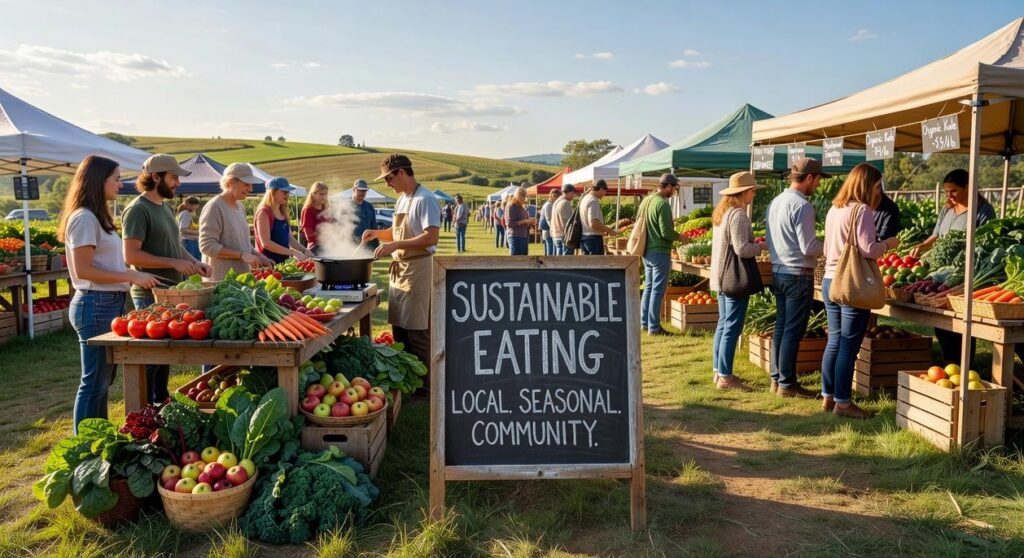
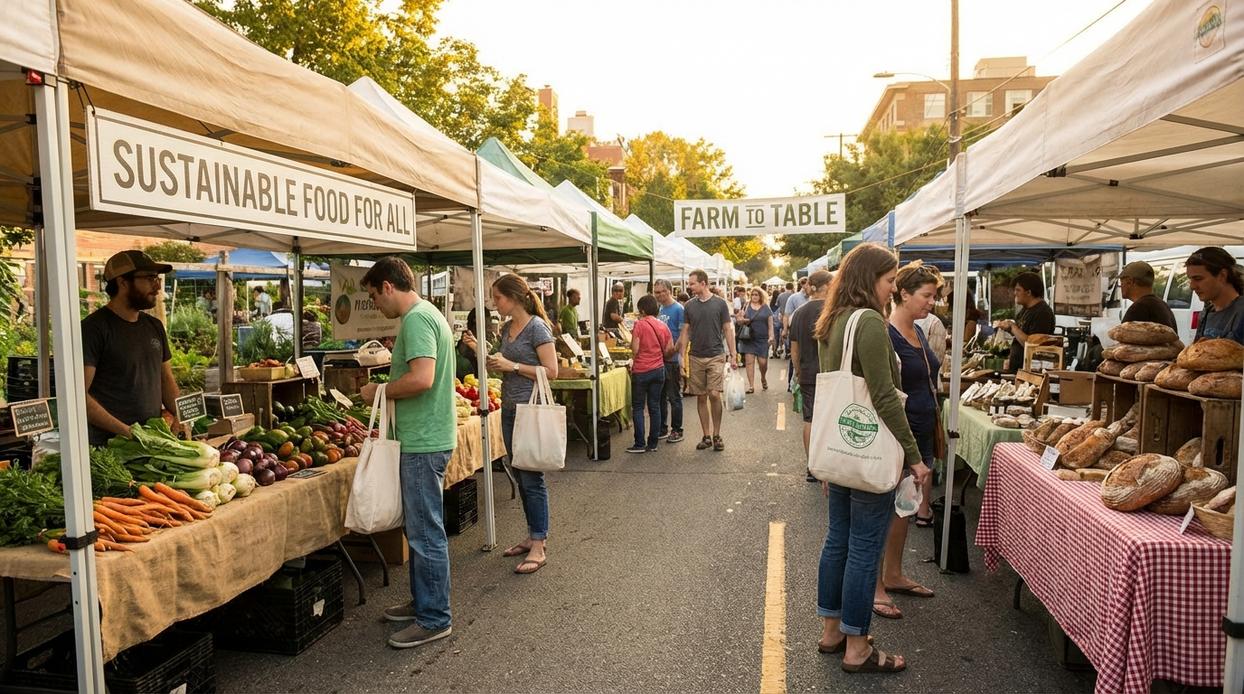
Buying from farmers’ markets or joining a CSA (Community-Supported Agriculture, a subscription to seasonal local produce) reduces “food miles,” meaning the distance food travels from farm to plate. Shorter distances often mean fresher flavor and lower emissions (EPA data links transportation to greenhouse gas output).
If you’re curious how emotions shape what we crave, explore the psychology of comfort food explained.
Adopting food sustainability practices isn’t about perfection. It’s about awareness—and choosing, meal by meal, to cook with care.
Beyond Your Plate: Championing System-Wide Change
Changing the food system doesn’t start in Congress. It starts in the checkout line.
Vote with Your Wallet. Choose brands that publish sourcing reports and work directly with growers. Look for certifications like Fair Trade (ensures fair wages and labor standards), Organic (produced without synthetic pesticides), and Regenerative Organic Certified (goes beyond organic to rebuild soil health). These labels aren’t just marketing; they’re third-party verified standards overseen by bodies like the USDA (see https://www.ams.usda.gov). Granted, some critics argue certifications raise prices and exclude small farmers. That can happen. However, many co-ops—from Portland to Brooklyn—offset costs through bulk buying and transparent supply chains. (Pro tip: scan QR codes on packaging; many now trace back to the exact farm.)
Meanwhile, cultivate community connections. Community gardens in cities like Detroit and Austin transform vacant lots into nutrient-dense food hubs. Urban farming collectives teach composting, crop rotation, and other food sustainability practices while boosting neighborhood food security.
Finally, advocate for better policy. Yes, one voice feels small. Yet coordinated calls and public comments shape food subsidies, regenerative agriculture incentives, and municipal compost mandates. If enough shoppers demand change, lawmakers—and retailers—tend to listen. (Money talks, but so do voters.)
Your Sustainable Plate: A Delicious Path Forward
Sustainable food sits at the crossroads of ecological health and personal wellness. In other words, what nourishes your body can also restore the planet (not a bad two-for-one). Yet the modern food system often feels overwhelming—industrial farming, excess packaging, global supply chains. It’s easy to assume the problem is too big for individual action. Some argue that personal choices barely dent global emissions. And yes, systemic change matters. Still, collective small shifts influence markets and policy over time (just look at the rise of plant-based menus nationwide).
So what’s next? Start practical. Reduce waste, eat more plants, and support local producers. These food sustainability practices build resilience into everyday life. If you’re wondering where to begin, try one small change this week: cook a lentil dish, visit a farmer’s market, or start composting. Small steps scale. One conscious choice today shapes a healthier, fairer food future tomorrow.
Bring More Heart to Every Meal
You came here looking for smarter ways to cook with purpose, creativity, and efficiency. Now you have the foundations to build wholesome meals, explore global flavors, pair ingredients with intention, and streamline your prep without sacrificing taste.
If you’ve ever felt stuck in a dinner rut, overwhelmed by planning, or unsure how to balance flavor with nourishment, you’re not alone. That frustration often leads to wasted ingredients, rushed meals, and missed opportunities to truly enjoy the cooking process.
The answer is simple: apply what you’ve learned. Start with one new flavor inspiration this week. Build a meal around heartful pairings. Prep with intention. And commit to food sustainability practices that reduce waste and maximize every ingredient in your kitchen.
Don’t let another week of repetitive, stressful cooking pass you by. Take action today—plan your next three meals using these principles and transform the way you cook and eat. Thousands of home cooks are already elevating their kitchens with these proven strategies. Now it’s your turn.

 Ask Teresa Valdezitara how they got into meal prep efficiency hacks and you'll probably get a longer answer than you expected. The short version: Teresa started doing it, got genuinely hooked, and at some point realized they had accumulated enough hard-won knowledge that it would be a waste not to share it. So they started writing.
What makes Teresa worth reading is that they skips the obvious stuff. Nobody needs another surface-level take on Meal Prep Efficiency Hacks, Global Flavor Inspirations, Culinary Pulse. What readers actually want is the nuance — the part that only becomes clear after you've made a few mistakes and figured out why. That's the territory Teresa operates in. The writing is direct, occasionally blunt, and always built around what's actually true rather than what sounds good in an article. They has little patience for filler, which means they's pieces tend to be denser with real information than the average post on the same subject.
Teresa doesn't write to impress anyone. They writes because they has things to say that they genuinely thinks people should hear. That motivation — basic as it sounds — produces something noticeably different from content written for clicks or word count. Readers pick up on it. The comments on Teresa's work tend to reflect that.
Ask Teresa Valdezitara how they got into meal prep efficiency hacks and you'll probably get a longer answer than you expected. The short version: Teresa started doing it, got genuinely hooked, and at some point realized they had accumulated enough hard-won knowledge that it would be a waste not to share it. So they started writing.
What makes Teresa worth reading is that they skips the obvious stuff. Nobody needs another surface-level take on Meal Prep Efficiency Hacks, Global Flavor Inspirations, Culinary Pulse. What readers actually want is the nuance — the part that only becomes clear after you've made a few mistakes and figured out why. That's the territory Teresa operates in. The writing is direct, occasionally blunt, and always built around what's actually true rather than what sounds good in an article. They has little patience for filler, which means they's pieces tend to be denser with real information than the average post on the same subject.
Teresa doesn't write to impress anyone. They writes because they has things to say that they genuinely thinks people should hear. That motivation — basic as it sounds — produces something noticeably different from content written for clicks or word count. Readers pick up on it. The comments on Teresa's work tend to reflect that.