
You stand in the kitchen, ingredients laid out, but those instructions feel like another language. Cooking techniques beginners should know like sauté, braise, roast (what) do they all mean? I get it. I’ve been there, staring at recipes like they were encrypted messages.
But here’s the thing: cooking doesn’t have to be overwhelming. This guide will demystify these fundamental cooking methods, turning confusion into confidence.
I believe anyone can find joy in cooking. It’s about understanding the basics and feeling that connection with what you create. Trust me, this isn’t just another list.
It’s a warm, descriptive guide to important cooking methods that’ll open up your potential as a home chef. Ready to transform your kitchen experience? Dive in and let’s create a solid foundation for a lifetime of delicious meals.
The Essentials of Cooking: Dry Heat and Moist Heat
Here’s the secret to cooking that nobody tells beginners. Every method fits into one of two camps: Dry Heat or Moist Heat. Get this down, and you’ll understand why some dishes taste like heaven while others fall flat.
Dry heat cooking? Think of it as a warm, sunny day. Air or fat does the work, like roasting a chicken in an oven or sautéing veggies in a pan.
It’s your go-to for browning and caramelization, bringing out those deep flavors you can’t resist. Ever wondered why your steak gets that crispy sear? Thank dry heat.
Now, let’s talk moist heat. Picture a steamy, gentle day. It’s all about water or steam.
Think steaming broccoli or simmering a hearty stew. This method’s your best friend for tenderizing tougher cuts of meat and fibrous veggies. It’s why a pot roast becomes melt-in-your-mouth instead of shoe leather.
Why does this matter? Understanding these two pillars is like having the key to cooking techniques beginners need. It’s your system for mastering any recipe.
Speaking of understanding, if you want a quick win, check out this guide on understanding nutritional labels easy. It’s a game-changer in its own right. Ready to cook with confidence?
You bet.
Mastering Dry Heat: Flavor, Color, and Texture
Roasting, sautéing, and pan-searing. These are the kings of dry heat cooking. Each brings something unique to the table (literally).
To start, let’s talk about roasting. It’s all about surrounding your food with hot, dry air in the oven.
Roasting is brilliant for vegetables like carrots, broccoli, and potatoes. And don’t forget those larger cuts of meat. They develop this natural sweetness you can’t get enough of.
Ever tried Simple Roasted Root Vegetables with olive oil, salt, and rosemary? If you haven’t, you should. It’s a game-changer.
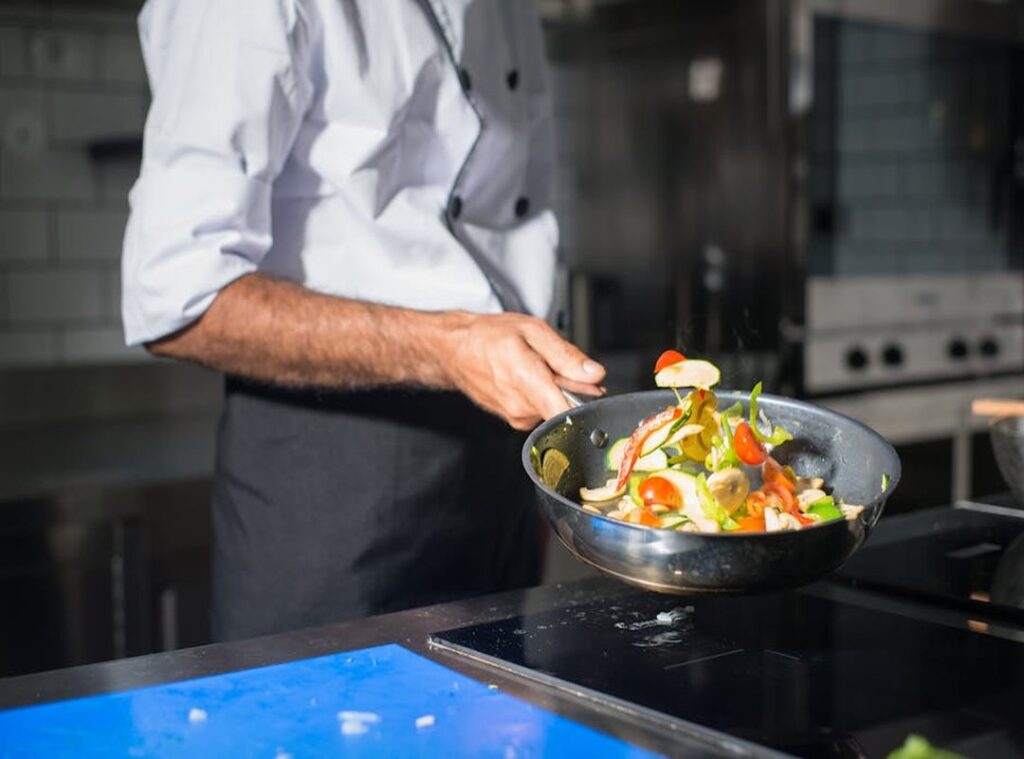
Sautéing is about quick movements. You cook food rapidly in a bit of fat over medium-high heat. It’s vigorous and energetic.
Perfect for tender veggies like bell peppers, onions, and mushrooms. You want that speed. It keeps the colors vivid and the flavors intense.
Remember, small pieces of protein work best here. Think Garlic and Herb Sautéed Mushrooms. I’m telling you, it’s a must-try.
Now, pan-searing. The goal? That deeply browned, flavorful crust.
The Maillard reaction at its finest. (That’s just a fancy way of saying it tastes amazing.) You need high heat and a smoking hot pan. Don’t crowd the pan, though. Give those chicken breasts, steaks, or scallops space to breathe.
Try Perfectly Seared Chicken Thighs. Trust me, you’ll thank me later.
When you’re diving into these cooking techniques, beginners might wonder where to start. I say, go simple, go bold. If you’re curious about more tips, check out this cooking tips for beginners a full.
It covers everything you need.
Pro tip: Always preheat your oven or pan. It makes a world of difference. Forget that, and you might as well not bother.
In dry heat cooking, it’s about precision and letting the ingredients shine. You get flavor, you get color, and the texture? Out of this world.
Pick a method, and give it a try. You’ll find each has its own magic. Which one will you master first?
Embracing Moist Heat for Tender, Heartful Meals
Who doesn’t love a meal that’s both tender and heartful? I’ve found that moist heat is the secret weapon in any serious cook’s arsenal. With methods like steaming, braising, and simmering or poaching, you can transform ingredients into something magical.

Let me show you how.
Steaming: For Delicate Freshness
Steaming is like a gentle whisper of heat. It preserves the nutrients, colors, and textures of your ingredients. Perfect for delicate fish and green vegetables like asparagus or green beans.
Have you tried steaming broccoli with just a squeeze of lemon? It’s an easy start and highlights the vegetable’s natural flavor. Plus, it’s one of the most accessible cooking techniques beginners can dive into without fear.
Braising: For Fall-Apart Tenderness
Braising is the heart of comfort food. You start by searing the ingredients, then let them slowly soak up liquid in a covered pot. It’s the method that turns a tough chuck roast into a melt-in-your-mouth dish.
Picture this: a simple braised chicken in tomato sauce, bubbling away in your kitchen. The aroma alone makes the wait worth it. This method is about patience, not speed.
Trust me, the rewards are outstanding.
Simmering & Poaching: For Gentle Cooking
Simmering and poaching are often mixed up, but they’re not quite the same. Simmering involves those gentle bubbles, perfect for soups, stocks, and sauces. It’s the base of many hearty meals.
Poaching, on the other hand, is like a calm lake. No bubbles, just heat. It’s ideal for eggs or fish.
Ever tried poaching an egg to go with your morning toast? It’s simple yet satisfying.
Cooking isn’t just about technique; it’s also about learning and evolving. If you’re interested in expanding your culinary skills, you might want to learn more about the benefits of whole grains.
These methods are not flashy, but they deliver. Moist heat cooking is about patience and letting the ingredients shine. So why not give them a try?
You might just discover a new favorite way to cook.
Three Simple Rules: Build Kitchen Confidence
Cooking techniques for beginners can be daunting, I know. But let’s cut through the noise. Rule 1: Control Your Heat. “Medium-high” isn’t a suggestion. It’s a guideline for chaos!
Start low and listen. That sizzle tells you everything.
Rule 2: Season at Every Step. Dumping salt at the end? A rookie move.
Instead, sprinkle as you go. It builds layers (like a great novel) and makes the dish sing.
Rule 3: Use the Right Tool for the Job. A wide pan for sautéing keeps things dry, not steamed. A heavy-bottomed pot?
Perfect for braising, giving even heat that’s key. Choosing the wrong tool is like using a hammer to butter bread.
Why make it harder? Master these and watch your skills take off. You’ll be surprising yourself.
And maybe even impressing that tough-to-please friend (we all have one). Cooking is as much about feeling as it is about technique.
Ignite Your Culinary Spark
Feeling lost in the kitchen? I’ve been there. Every great cook starts with that bewildered moment.
But understanding the ‘why’ of dry and moist heat methods changes everything. It’s the key to genuine cooking, not just following recipes. So, why wait?
Choose one method from this guide (maybe) roasting. And try it this week. Start with a single, delicious step. Cooking techniques beginners will find this approach big.
Ready to cook from the heart? Begin your journey now.

 Ask Teresa Valdezitara how they got into meal prep efficiency hacks and you'll probably get a longer answer than you expected. The short version: Teresa started doing it, got genuinely hooked, and at some point realized they had accumulated enough hard-won knowledge that it would be a waste not to share it. So they started writing.
What makes Teresa worth reading is that they skips the obvious stuff. Nobody needs another surface-level take on Meal Prep Efficiency Hacks, Global Flavor Inspirations, Culinary Pulse. What readers actually want is the nuance — the part that only becomes clear after you've made a few mistakes and figured out why. That's the territory Teresa operates in. The writing is direct, occasionally blunt, and always built around what's actually true rather than what sounds good in an article. They has little patience for filler, which means they's pieces tend to be denser with real information than the average post on the same subject.
Teresa doesn't write to impress anyone. They writes because they has things to say that they genuinely thinks people should hear. That motivation — basic as it sounds — produces something noticeably different from content written for clicks or word count. Readers pick up on it. The comments on Teresa's work tend to reflect that.
Ask Teresa Valdezitara how they got into meal prep efficiency hacks and you'll probably get a longer answer than you expected. The short version: Teresa started doing it, got genuinely hooked, and at some point realized they had accumulated enough hard-won knowledge that it would be a waste not to share it. So they started writing.
What makes Teresa worth reading is that they skips the obvious stuff. Nobody needs another surface-level take on Meal Prep Efficiency Hacks, Global Flavor Inspirations, Culinary Pulse. What readers actually want is the nuance — the part that only becomes clear after you've made a few mistakes and figured out why. That's the territory Teresa operates in. The writing is direct, occasionally blunt, and always built around what's actually true rather than what sounds good in an article. They has little patience for filler, which means they's pieces tend to be denser with real information than the average post on the same subject.
Teresa doesn't write to impress anyone. They writes because they has things to say that they genuinely thinks people should hear. That motivation — basic as it sounds — produces something noticeably different from content written for clicks or word count. Readers pick up on it. The comments on Teresa's work tend to reflect that.