
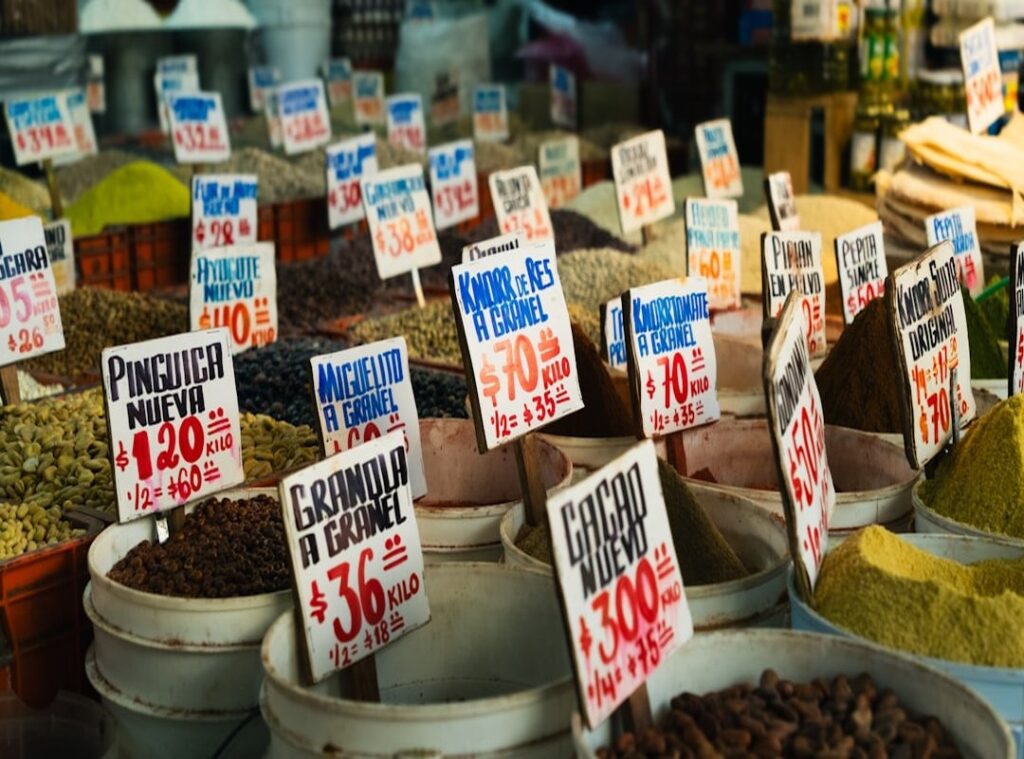
Picture this: you’re walking through a bustling spice market, the air thick with the aroma of cumin, cardamom, and turmeric. It’s intoxicating, right? Yet, the sheer variety can be overwhelming.
I get it. I was once lost in a sea of unfamiliar jars and labels. But here’s the thing: it doesn’t have to stay that way.
Consider this your indian spices tour. A guided culinary journey. Not a dull encyclopedia.
We’ll dive into the important spices, feel their soul, and gain the confidence to use them. I went from confusion to a deep love for these flavors. You can too.
This article will arm you with everything you need. So, ready to open up the secrets of Indian spices? Trust me, you’re in for a treat.
Let’s get started.
The Foundation: Meet the ‘Golden Trinity’ of Flavor
Welcome to the indian spices tour. to the magic trio that defines Indian cooking: Turmeric, Cumin, and Coriander. These aren’t just spices; they’re the backbone of flavor that makes your taste buds do a happy dance.
Turmeric (Haldi)
Turmeric is the star of the show. Its lively, golden hue doesn’t just brighten your dishes; it adds an earthy, slightly bitter depth. Forget about it being just a health supplement.
It’s the foundation for color and subtle flavor in dals and vegetable curries.
Cumin (Jeera) is next. It’s warm, nutty, and a little peppery. Whole seeds sizzle in hot oil, infusing dishes with their aroma.
Ground cumin? Perfect for marinades and sauces. Picture this: roasted potatoes sprinkled with cumin.
Mouthwatering, right?
Then there’s Coriander (Dhania). It brings bright, citrusy, and floral notes. The seeds ground into powder are different from fresh cilantro leaves.
As a balancing and thickening agent, it elevates gravies to another level.
Want to explore more flavors? Check out the Richness Of African Cuisine for a global flavor journey. Who knew spices could take us on such a wild ride?
Building Aroma & Warmth: The Aromatic Powerhouses
When I talk about the aromatic heart of Indian cuisine, it’s impossible to overlook the intense aroma of green cardamom. Just one pod can completely change a dish. Ever tried adding it to a pot of rice or a steaming cup of chai?
It’s like magic. A little goes a long way, so don’t overdo it (trust me, I’ve learned the hard way).
Then there’s cloves. They’ve got this pungent, sweet bite with a slightly medicinal edge. It sounds strange, but in biryani or meat curries, they bring a deep, penetrating warmth that’s hard to beat.
You know that feeling when a dish just feels complete? That’s cloves for you.
Now, cinnamon and cassia might look similar, but they’re not the same. True cinnamon has a sweet, woody scent that’s comforting. Cassia is what most of us have in the pantry.
It’s versatile enough to swing between savory curries and sweet treats.
And let’s not forget black peppercorns. They’re so much more than a table condiment. Their sharp, pungent heat and woody notes are what make dishes like pepper chicken pop.
Freshly cracked pepper elevates flavors in a way pre-ground never could.
What spices could you not live without? They’re the backbone of our culinary adventures. So, join me on this indian spices tour and let’s savor the journey of flavors together.
The Supporting Cast: Spices That Steal the Show
Ever go on an “indian spices tour” in your own kitchen? You’re in for a treat. to some spices that aren’t just sidekicks (they’re) scene-stealers.
Mustard Seeds, known locally as Rai or Sarson, are the real deal. Toss them into hot oil, and they pop with a nutty, pungent flair that’s simply magic. It’s like a fireworks show for your taste buds. South Indian cuisine wouldn’t be the same without them, and I bet you know that.
Then there’s Fenugreek Seeds, or Methi Dana. Here’s the trick: toast them. It’s like a bitter Jekyll and smoother Hyde.
They go from sharp to mellow, finding their sacred spot in pickles and lentils. So yes, they’re important.
Asafoetida, also called Hing, is a powerhouse. This one’s got a raw smell that’ll make you reconsider everything you know. But cook it, and it turns into a savory marvel with onion-garlic undertones.
It’s big, especially in dal.
Kashmiri Red Chili Powder is more about the looks than the heat. Ever wonder how curries get that lively red hue? Here’s your answer.
It’s mild but visually striking, unlike its fiery cousin cayenne.
For those venturing from Indian to global, check out Japanese Flavors Your Kitchen to broaden your spice horizons. Keep experimenting. You’re the director of this culinary film, after all.
The Art of the Blend: Understanding Masalas
When you hear “masala,” think of a spice blend. the magic of Indian cooking starts. Each mix is an art form, a signature. to the essentials.
Garam Masala is the soul of warmth. Picture cinnamon, cloves, cardamom swirling together. It’s the kind of blend that you add right at the end. Why? To keep those fragrant oils intact. It’s like the last scene of a movie, giving a final flourish of aroma. You don’t want to miss that.
Now, Chaat Masala is a different beast. It’s tangy, with a funky, salty-sour kick. Dried mango powder (amchur) and black salt (kala namak) make it stand out.
This stuff is your go-to for snacks, salads, even drinks. It’s like a flavor explosion.
The beauty? No single recipe defines these blends. It’s like going on an indian spices tour (each) family and region has its own twist.
So jump in and experiment. There’s freedom in knowing that there’s no “correct” version.
For a deeper dive into spice origins, check out this overview. It’s like an all-access pass to spice wonderland.
Your First Step: The Simple Magic of a ‘Tadka’
Let me tell you, there’s something almost magical about a good tadka. It’s the sort of thing that can take an ordinary dish and give it that wow factor. What is tadka, you ask?
It’s the process of blooming whole spices in hot fat, like ghee or oil, to open up their important oils and deepest flavors. It’s a quick way to add depth to your meal without any fuss.
Here’s how you do it: Heat 1-2 tablespoons of ghee in a pan. Next, toss in 1/2 teaspoon of mustard seeds. Wait for them to pop like tiny fireworks.
Then, add 1/2 teaspoon of cumin seeds. Let them sizzle for about 15 seconds. Throw in a pinch of asafoetida and a dried red chili.
Boom, you’re done.
In just one minute, you’ve created something incredible. Drizzle it over a bowl of lentils, plain yogurt, or even steamed vegetables. Suddenly, your dish isn’t just food; it’s a flavor explosion.
It’s like taking a mini indian spices tour right in your kitchen. Go ahead, try it. You won’t regret it.
Spice Up Your Life
Feeling overwhelmed by spices? That’s behind you. Your indian spices tour is underway, turning that once-confusing cabinet into a lively palette.
Let’s be honest, the hardest part is starting. But now, you know where to begin. You’ve got the building blocks to cook with confidence.
You just need to act.
This week, grab a new spice from this guide. Find a simple recipe. Let its aroma fill your kitchen.
Your taste buds will thank you. Trust me, this is just the beginning of your flavorful journey. Ready to dive deeper?
Start cooking now. You’ll never look back.
