
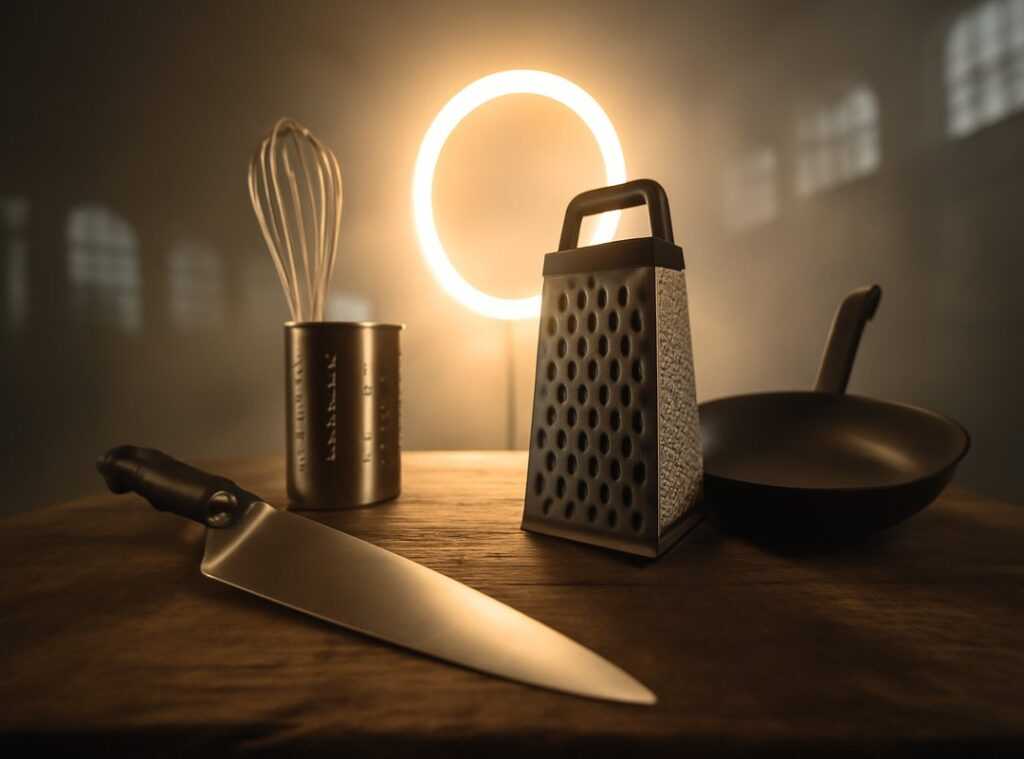
Ever pulled open a kitchen drawer only to find it crammed with gadgets you never use? Frustrating, right? Maybe you’ve wandered through a kitchenware store, bombarded by shiny tools, and wondered what you actually need.
It’s a mess of choices and marketing hype.
Let’s cut through the clutter. I’m here to simplify your cooking life with a no-fluff guide to the important kitchen tools. These are the real deal (versatile) enough to unleash your culinary creativity without stressing you out.
Why trust this list? It’s rooted in the principles of wholesome cooking. We focus on tools that help, not overwhelm.
With just these core items, you’ll be set to cook thousands of delightful, heartful meals.
Ready to transform your kitchen chaos into a joyful cooking experience?
The Foundation: Cutting, Slicing, and Dicing
Let’s face it: cooking starts with the right tools. And by right tools, I mean the important kitchen tools. You can’t just waltz into a kitchen and expect magic.
You need confidence. And where does that confidence come from? The Holy Trinity of knives.
First up, the Chef’s Knife. This is your best friend, your right hand. An 8-inch blade that feels like an extension of yourself.
You can chop an onion so fast it’ll make your head spin. Imagine dicing vegetables for a stew that warms the soul. That’s what this knife is for.
But not every knife can handle everything. Enter the Serrated Knife. Its ‘saw-like’ action is perfect for crusty bread and ripe tomatoes.
Ever sliced through a sourdough loaf and heard that satisfying crunch? Pure bliss. This knife is non-negotiable.
Then there’s the Paring Knife. Small but mighty. Perfect for those delicate tasks.
Like hulling strawberries or peeling garlic. It’s your detail knife, for when you need precision in-hand work.
Now, you’ve got the knives, but what about the stage? A large, sturdy cutting board is the unsung hero here. Wood or plastic, it’s the protector of your blades and countertops.
Imagine hacking away without worrying about leaving marks everywhere.
So, are you ready to conquer the kitchen? Equip yourself with these tools and see how they align with 2024 exciting culinary trends. Prep work isn’t just a chore (it’s) the start of something delicious.
The Art of Prep: Important Tools for Mixing and Measuring
Cooking can feel chaotic. But have you heard of mise en place? It’s this French term that means “everything in its place.” And it’s important if you want to turn that kitchen chaos into a calm, organized experience.
Let’s talk about what this means for your kitchen gear. You need tools that do the heavy lifting. First up, those nesting mixing bowls.
Get a set of three to five, stainless steel or glass. Why? They’re perfect for everything.
Whisking eggs, tossing salads, even marinating meats. And the best part? They stack neatly, saving you space.
Now, measuring cups and spoons. They’re more than just tools for bakers. They’re your secret weapon for consistent cooking.
Here’s the trick: use dry measuring cups for flour and sugar. Scoop and level, don’t pack it in. For liquids, pour to the line.
It’s the difference between a cake that rises and one that flops.
Next, the silicone spatula. This thing is a multi-tasking beast. You can mix batters, scramble eggs, and scrape every last bit of goodness from a bowl.
Trust me, nothing gets left behind. It’s satisfying in an oddly primal way.
Then there’s the balloon whisk. Sure, it’s great for eggs. But think beyond that.
It’s your go-to for silky vinaigrettes, lump-free sauces, and fluffy whipped cream. I can almost taste it now.
Finally, kitchen tongs. They’re your heat-proof fingertips. Flip a steak, toss pasta in sauce, or rescue something from a hot oven.
They’re indispensable, like having an extra hand.
Curious what pro chefs swear by? Check out andy baraghani’s important kitchen tools. These important kitchen tools are your best allies in making cooking less of a chore and more of an art form.
Mastering the Heat: The Only Pots and Pans You Really Need
Cooking is all about having the right tools. Forget clutter. You need a few important kitchen tools that do it all.
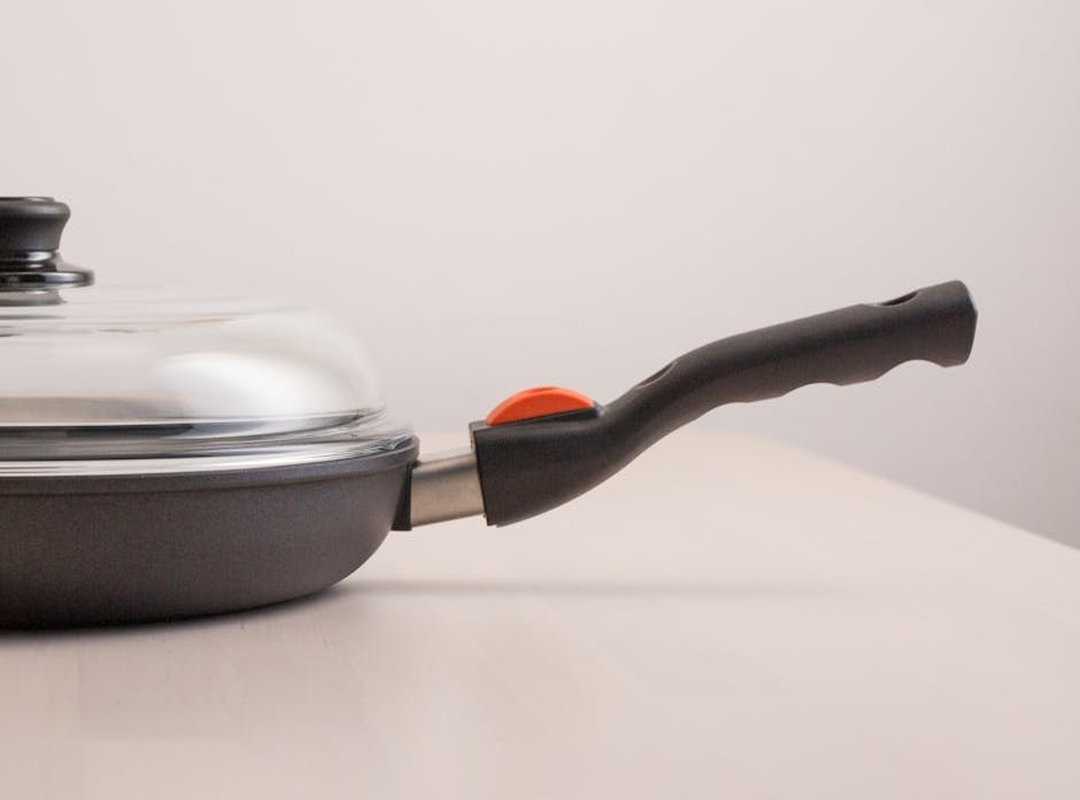
First up, the trusty non-stick skillet. A 10-inch pan is your go-to for those delicate dishes. Think perfect omelets that just glide out, pancakes that make you feel like a chef, and fish fillets that don’t turn into mush.
Non-stick is your friend here, but treat it well (no metal utensils, please).
Then there’s the stainless steel or cast-iron skillet, the 12-inch powerhouse. This one sears like a dream. When you want that deep, golden-brown crust on your steak, chicken thighs, or even Brussels sprouts, this is the one you reach for.
And the “fond”? You know, those tasty bits left behind? the magic happens for rich pan sauces.
Let’s not forget the saucepan. A 2-3 quart with a lid is more versatile than you’d think. Sure, it’s great for simmering marinara or boiling potatoes, but it’s also your best buddy for cooking quinoa or reheating soup.
It’s a small pot with big potential.
Have you ever tried making a full meal in one pot? The stockpot or Dutch oven, around 5-6 quarts, is perfect for this. Use it for heartful chilis, slow-braised roasts, or big family pasta dinners.
It’s all about hearty, soulful cooking.
Investing in quality means these will last a lifetime. You don’t want to replace them every few years. Why settle for less?
And while we’re talking about essentials, have you considered the future of sustainable eating? It’s a fascinating topic that complements this idea of investing in things that last. Quality over quantity, right?
The Supporting Cast: Small Utensils That Make a Big Difference
Ever feel like your kitchen is a battlefield and you’re losing the war? Enter the unsung heroes of the culinary world. These are the important kitchen tools that conquer chaos and speed up prep time .
Take the Y-Peeler, for instance. It’s often more ergonomic and fast than its straight-handled cousin. I can peel everything from potatoes to apples without cramping my wrist.
Isn’t that what we all need?
Then there’s the colander or fine-mesh sieve. It’s not just for pasta. Rinse grains, beans, and berries without the drama of them slipping down the drain.
Have you ever tried grating cheese without a box grater? I did once. Never again.
It’s versatile, grating cheddar one minute, zesting a lemon the next.
And we can’t ignore the can opener. This tool can either be a source of quiet joy or immense frustration. Get one that’s sturdy and smooth-turning.
Trust me, it’s worth the investment.
These tools are small in stature but mighty in impact. Why make life harder in the kitchen?
Your Culinary Confidence Starts Here
Feeling overwhelmed by kitchen clutter? You’re not alone. We’ve all been there, staring at a drawer filled with unused gadgets.
But guess what? Your search for important kitchen tools ends now. This list is your foundation.
It’s simple, versatile, and functional. Focus on one area that’s lacking. Maybe it’s time for a quality chef’s knife or a trusty skillet.
Just one change can revitalize your cooking. Trust me, it’ll transform your culinary experience. Ready to embrace your kitchen joyfully?
Dive in, make that choice, and feel the difference. Your well-equipped kitchen awaits. Go create your masterpiece!

 Ask Xendris Zolmuth how they got into global flavor inspirations and you'll probably get a longer answer than you expected. The short version: Xendris started doing it, got genuinely hooked, and at some point realized they had accumulated enough hard-won knowledge that it would be a waste not to share it. So they started writing.
What makes Xendris worth reading is that they skips the obvious stuff. Nobody needs another surface-level take on Global Flavor Inspirations, Insightful Reads, Meal Prep Efficiency Hacks. What readers actually want is the nuance — the part that only becomes clear after you've made a few mistakes and figured out why. That's the territory Xendris operates in. The writing is direct, occasionally blunt, and always built around what's actually true rather than what sounds good in an article. They has little patience for filler, which means they's pieces tend to be denser with real information than the average post on the same subject.
Xendris doesn't write to impress anyone. They writes because they has things to say that they genuinely thinks people should hear. That motivation — basic as it sounds — produces something noticeably different from content written for clicks or word count. Readers pick up on it. The comments on Xendris's work tend to reflect that.
Ask Xendris Zolmuth how they got into global flavor inspirations and you'll probably get a longer answer than you expected. The short version: Xendris started doing it, got genuinely hooked, and at some point realized they had accumulated enough hard-won knowledge that it would be a waste not to share it. So they started writing.
What makes Xendris worth reading is that they skips the obvious stuff. Nobody needs another surface-level take on Global Flavor Inspirations, Insightful Reads, Meal Prep Efficiency Hacks. What readers actually want is the nuance — the part that only becomes clear after you've made a few mistakes and figured out why. That's the territory Xendris operates in. The writing is direct, occasionally blunt, and always built around what's actually true rather than what sounds good in an article. They has little patience for filler, which means they's pieces tend to be denser with real information than the average post on the same subject.
Xendris doesn't write to impress anyone. They writes because they has things to say that they genuinely thinks people should hear. That motivation — basic as it sounds — produces something noticeably different from content written for clicks or word count. Readers pick up on it. The comments on Xendris's work tend to reflect that.