
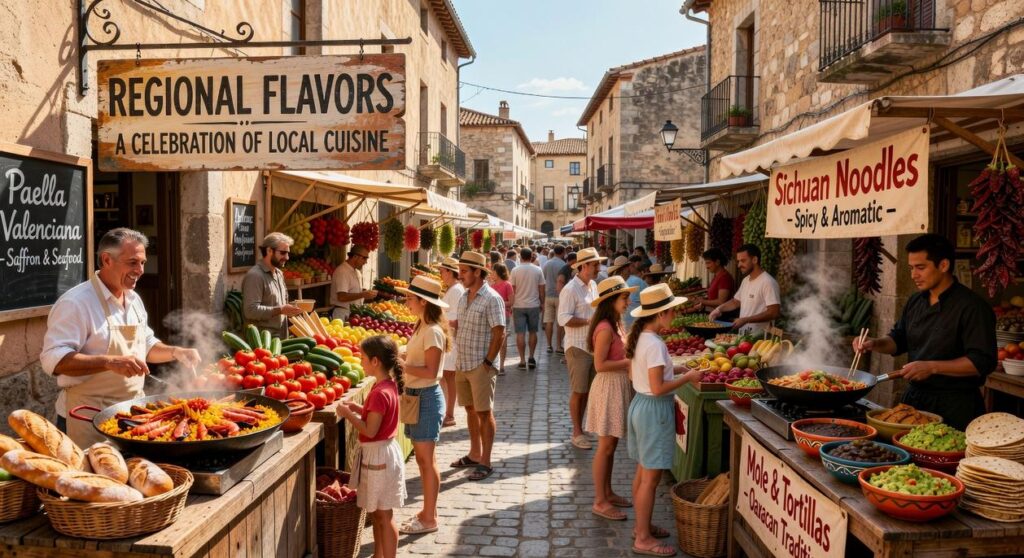
If you’re searching for ways to bring brighter, healthier, and more satisfying meals to your table, exploring Mediterranean flavor profiles is a powerful place to start. This article is designed to help you understand what makes these flavors so enduring—from heartful ingredient pairings and balanced seasoning to simple techniques that elevate everyday cooking.
Many home cooks struggle to recreate the depth and freshness they associate with Mediterranean dishes. We break down the core components—olive oil richness, citrus lift, herb-forward blends, and wholesome pantry staples—so you can apply them confidently in your own kitchen. You’ll also discover practical tips for meal prep efficiency and building versatile foundations that work across multiple dishes.
Our insights draw on established culinary research, traditional cooking methods, and globally respected flavor principles, ensuring the guidance you find here is both authentic and actionable. By the end, you’ll know exactly how to layer flavors, combine ingredients, and create vibrant meals with ease.
Beyond the Monolith: A Journey into the Real Mediterranean Kitchen
First, let’s retire the idea that Mediterranean food begins and ends with Greek salad (delicious, yes—exclusive, no). The region stretches from the Levant’s spice-laced markets to Andalusia’s saffron-scented stews, and each zone tells a different story.
In the Levant, you’ll meet tahini (a creamy sesame paste) and bright herbs folded into mezze—small shared plates that make dinner feel like a party. Meanwhile, coastal Italy leans on olive oil, tomatoes, and restraint (because sometimes less really is more). Then there’s southern Spain, where smoked paprika and slow-cooked seafood build bold Mediterranean flavor profiles.
Of course, some argue it’s all just olive oil and garlic. But that’s like saying all music is just noise—technically true, wildly incomplete.
Master the core ingredients, practice layering flavors, and suddenly your kitchen feels a lot bigger.
The Three Pillars: Understanding the Regional Palates

To truly master Mediterranean flavor profiles, you need to understand its three distinct pillars—each with its own rhythm, ingredients, and philosophy (yes, food has philosophy).
First, the Levant (Eastern Mediterranean – Lebanon, Syria, Turkey) celebrates freshness above all. Parsley and mint aren’t garnishes; they’re foundations. Sumac adds tangy brightness (a lemony zing without the juice), while tahini brings creamy depth. Mezze—small shared plates—showcase balance and abundance. Think grilled kebabs, blistered over open flame, paired with warm flatbreads that double as utensils.
Recommendation: Build a simple mezze spread at home:
- Hummus with extra-virgin olive oil
- Tomato-parsley salad with sumac
- Grilled chicken skewers
- Fresh pita or lavash
(Pro tip: Always rest grilled meats before slicing to retain juices.)
Meanwhile, Southern Europe (Italy, Greece, Southern France) relies on the holy trinity of tomato, garlic, and high-quality olive oil. Slow-braising—cooking gently over low heat—coaxes sweetness from tougher cuts. Pasta-making transforms flour and eggs into silk. Wine isn’t just for sipping; it deglazes pans and builds sauces (Julia Child would approve). Feta, oregano, and basil layer brightness and aroma.
Some argue this cuisine is too simple. Yet simplicity demands better ingredients—there’s nowhere to hide.
Finally, North Africa (Morocco, Tunisia) dazzles with complexity. Ras el Hanout—literally “head of the shop,” meaning a premium spice blend—adds warmth, while harissa delivers heat. Tagine cooking traps steam for tender results. Preserved lemons, olives, and dried fruits create sweet-savory harmony.
If you’re new, start with a chicken tagine and balance spice with a drizzle of honey.
The Essential Ingredient Compass: Beyond the Basics
Spices & Herbs
Moving past oregano opens an entirely new flavor spectrum. Za’atar—a Middle Eastern blend of thyme, sesame, and sumac—adds crunch and citrusy lift in one pinch. Sumac itself delivers bright acidity without liquid (useful when you don’t want to thin a sauce). Smoked paprika contributes depth through dried, smoked peppers; studies show smoked spices enhance perceived savoriness by amplifying aroma compounds (Spence, 2015). Fresh parsley and cilantro act as green foundations in sauces like chimichurri and chermoula, forming the backbone of many Mediterranean flavor profiles.
Acids & Ferments
Acidity sharpens flavor perception by stimulating salivation (Journal of Food Science, 2010). Lemon is classic, but pomegranate molasses offers sweet-tart complexity plus antioxidants (USDA data). Preserved lemons bring lactic-fermented depth—soft rind, savory punch. Quality vinegars matter: red wine vinegar for robustness, sherry vinegar for nuttiness (aged varieties contain higher concentrations of flavor-active aldehydes). Pro tip: Add acid at the end to maintain brightness.
Dairy & Cheeses
Feta’s briny intensity comes from sheep’s milk and salt brining. Mozzarella melts beautifully due to its high moisture and elastic protein structure. Labneh—strained yogurt—delivers creamy tang with gut-friendly cultures (NIH notes probiotic benefits). Halloumi’s high melting point lets it sear without collapsing (grill it; thank me later).
Heartful Pairings
- Lamb + Mint + Pomegranate (Levant)
- Tomato + Basil + Garlic (Italy)
- Chicken + Preserved Lemon + Olives (Morocco)
For contrast, explore global pantry depth in a beginners guide to east asian seasonings. Evidence across culinary research is clear: balanced salt, acid, fat, and aroma create memorably layered dishes.
Mastering the Methods: Core Cooking Techniques of the Sun
The Art of the Grill can feel mysterious, but it simply means using high, direct heat to create a caramelized crust. That crust, called the Maillard reaction, is a chemical browning process that builds savory depth. To achieve the perfect char, dry your vegetables and meats, oil them lightly, and resist flipping too soon (patience is flavor).
One-Pot Wonders like tagine and braise rely on low, slow heat. A tagine is both a clay pot and the stew cooked inside it; braising means searing first, then simmering with liquid. This gradual method breaks down tough fibers and layers spices into cohesive richness.
The Power of Freshness clarifies no-cook cuisine: dishes built from raw, high-quality ingredients. Think hummus, tzatziki, and crisp salads balanced with lemon and olive oil.
To simplify, focus on:
- Heat control
- Moisture management
- Ingredient integrity
These principles define Mediterranean flavor profiles and prove that technique, not complication, creates memorable meals.
When confused, remember: grilling equals high heat, braising equals gentle steam, and no-cook equals pristine produce. Keep seasoning deliberate, salt early for penetration, and taste as you go (your palate is the best teacher). Simple steps yield bold results.
Bringing the Mediterranean Home to Your Kitchen
If you’ve ever thought Mediterranean cooking was just olive oil and feta, you’re missing the bigger picture. It’s a tapestry—coastal Italy’s simplicity, Greece’s herb-laced grills, the Levant’s bright herbs and tahini, North Africa’s spice markets humming with cumin and coriander.
That realization changes everything.
The real problem isn’t lack of recipes; it’s culinary autopilot. We rotate the same five dinners and call it variety. I believe the fix is simple: THINK REGIONALLY. When you focus on one corner of the sea at a time, flavors suddenly feel intentional instead of random.
Start small. Explore the zesty flavors of the Levant with sumac and pomegranate molasses, or lean into the aromatic spices of North Africa like ras el hanout. Buy one or two ingredients and build around them (your pantry doesn’t need a passport, just curiosity).
Mediterranean flavor profiles reward contrast—acid with richness, herbs with smoke, crunch with creaminess.
This week, pick a region and cook one signature dish. Taste it. Notice what surprises you. Then build from there.
Bring Bold Flavor and Balance Back to Your Table
You came here looking for practical, inspiring ways to create meals that feel nourishing, exciting, and manageable. Now you have the foundations to build wholesome dishes, explore global inspirations, and confidently craft plates rooted in Mediterranean flavor profiles that deliver both taste and balance.
If you’ve been stuck in a cycle of bland recipes, last-minute takeout, or meals that don’t truly satisfy, you don’t have to stay there. With the right ingredient pairings and a few smart prep strategies, you can turn everyday cooking into something efficient, heartful, and deeply flavorful.
The next step is simple: start planning your week with intention. Choose a few core ingredients, layer in bold herbs and spices, and prep ahead so your busiest days still end with a meal you’re proud of.
Ready to make cooking easier and more exciting? Explore more flavor guides, try a new global combination this week, and put these techniques into action today. Your table—and your taste buds—deserve better than ordinary.

 Ask Xendris Zolmuth how they got into global flavor inspirations and you'll probably get a longer answer than you expected. The short version: Xendris started doing it, got genuinely hooked, and at some point realized they had accumulated enough hard-won knowledge that it would be a waste not to share it. So they started writing.
What makes Xendris worth reading is that they skips the obvious stuff. Nobody needs another surface-level take on Global Flavor Inspirations, Insightful Reads, Meal Prep Efficiency Hacks. What readers actually want is the nuance — the part that only becomes clear after you've made a few mistakes and figured out why. That's the territory Xendris operates in. The writing is direct, occasionally blunt, and always built around what's actually true rather than what sounds good in an article. They has little patience for filler, which means they's pieces tend to be denser with real information than the average post on the same subject.
Xendris doesn't write to impress anyone. They writes because they has things to say that they genuinely thinks people should hear. That motivation — basic as it sounds — produces something noticeably different from content written for clicks or word count. Readers pick up on it. The comments on Xendris's work tend to reflect that.
Ask Xendris Zolmuth how they got into global flavor inspirations and you'll probably get a longer answer than you expected. The short version: Xendris started doing it, got genuinely hooked, and at some point realized they had accumulated enough hard-won knowledge that it would be a waste not to share it. So they started writing.
What makes Xendris worth reading is that they skips the obvious stuff. Nobody needs another surface-level take on Global Flavor Inspirations, Insightful Reads, Meal Prep Efficiency Hacks. What readers actually want is the nuance — the part that only becomes clear after you've made a few mistakes and figured out why. That's the territory Xendris operates in. The writing is direct, occasionally blunt, and always built around what's actually true rather than what sounds good in an article. They has little patience for filler, which means they's pieces tend to be denser with real information than the average post on the same subject.
Xendris doesn't write to impress anyone. They writes because they has things to say that they genuinely thinks people should hear. That motivation — basic as it sounds — produces something noticeably different from content written for clicks or word count. Readers pick up on it. The comments on Xendris's work tend to reflect that.