
If you’re searching for ways to bring deeper flavor, balance, and nourishment into your everyday cooking, understanding how to use Middle Eastern herb mixes is a powerful place to start. These vibrant blends do more than season food—they layer aroma, texture, and nutritional value in ways that transform simple ingredients into memorable meals.
This article breaks down how these herb mixes work, how to pair them thoughtfully, and how to integrate them into efficient meal prep routines without overwhelming your pantry. You’ll learn which foundational ingredients create harmony, how to build wholesome dishes around pulses and fresh produce, and how global flavor traditions can elevate your weekly menu.
Our guidance draws from extensive culinary research, hands-on recipe testing, and a deep study of traditional flavor pairings to ensure every recommendation is practical, balanced, and rooted in real kitchen results. By the end, you’ll have clear, confident strategies to cook with intention and bold, heartful flavor.
A Flavor Passport for Your Kitchen
Middle Eastern cuisine is more than kebabs and hummus; it is smoky, citrusy, floral, and deeply comforting. Still, I think many home cooks hesitate when they see unfamiliar jars lining the shelf. The names sound exotic, almost secretive. This guide breaks down essential Middle Eastern herb mixes, explaining their flavor stories and everyday uses. I will share practical pairings, simple techniques, and a few strong opinions. For me, spice blends are pantry poetry, turning roasted vegetables or weeknight chicken into something memorable. Consider this your invitation to cook boldly. Trust your senses. Start small.
Za’atar: The Tangy, Herbaceous Blend for Everything
First things first, what exactly is za’atar? At its core, it’s a blend of dried thyme, toasted sesame seeds, sumac, and salt. Sumac—made from dried, ground berries—adds a bright, lemony tang without actual citrus. Toasted sesame brings nutty depth, while thyme contributes an earthy backbone. Together, they form one of the most iconic Middle Eastern herb mixes.
So why does it work on almost everything? Flavor science helps explain it. Studies show that salt enhances overall taste perception, while acidity (like sumac’s tang) balances richness and boosts salivation, making food taste more vibrant (Spence, 2015, Flavour journal). That’s exactly why za’atar tastes nutty, tangy, earthy, and deeply savory all at once.
For everyday cooking, start simple. Mix it with olive oil and dip warm flatbread. Then sprinkle it generously over roasted cauliflower or potatoes—the sesame toasts further in the oven (and yes, your kitchen will smell incredible). It also works beautifully as a dry rub for chicken or fish before grilling, forming a fragrant crust.
For a wholesome foundation, stir za’atar into labneh, yogurt, or hummus for an instant flavor upgrade. In fact, herb-forward diets are associated with increased vegetable intake (Harvard T.H. Chan School of Public Health), making blends like this a practical tool for better eating. Pro tip: add it after cooking for maximum aroma.
Baharat: The Warm, Aromatic Heart of Savory Dishes
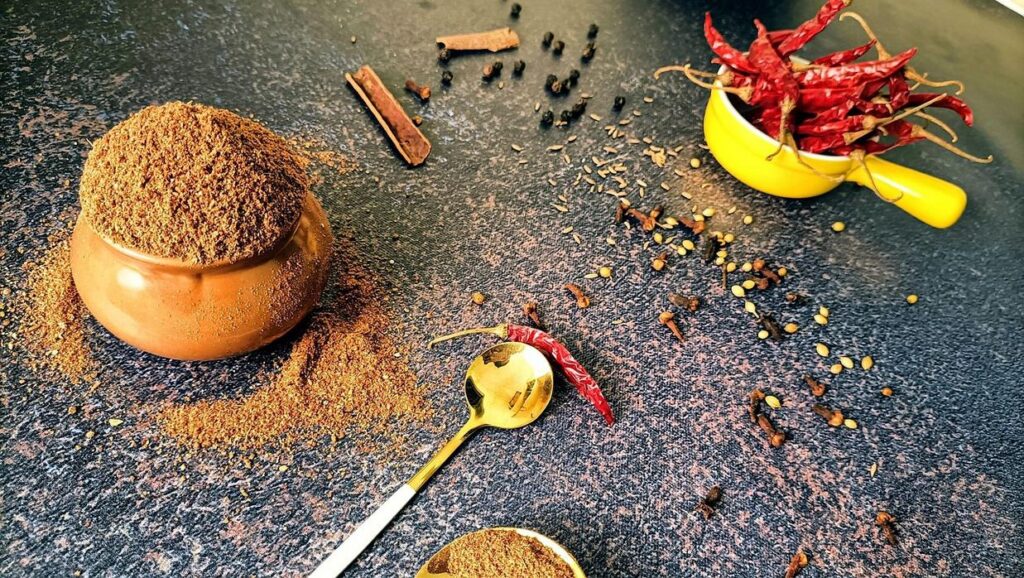
Baharat quite literally means “spices” in Arabic, yet this humble name undersells its impact. In practice, it’s an all-purpose blend built from black pepper, cumin, coriander, cinnamon, cloves, and paprika. While formulas vary by region, the core idea stays consistent: balance. Compared to many Middle Eastern herb mixes, baharat leans warmer and deeper rather than green or floral.
So what does it taste like? Think warm, gently sweet, peppery, and slightly smoky—without real heat. Food historians note that spice blends combining sweet and savory elements date back centuries in Levantine and Gulf cuisines, reflecting trade routes that spread cinnamon and cloves across the region (Culinary Historians of the Middle East, 2018). That layered profile explains why baharat enhances rather than overwhelms.
Culinarily, it shines in hearty dishes. For example, it’s a classic rub for lamb or beef, and it transforms chicken thighs into something dinner-party worthy (yes, even on a Tuesday). Moreover, lentil soups, tomato-based stews, and rice pilafs gain depth with just a teaspoon.
It’s especially powerful with ground meat for kofta or meatballs, where fat carries its aromatics beautifully. Combined with onions and tomatoes, it builds a rich sauce base. Pro tip: bloom it briefly in oil to unlock its essential oils. For broader blending ideas, explore how to create fusion recipes without overcomplicating flavors.
Ras el Hanout: Morocco’s Complex & Floral Masterpiece
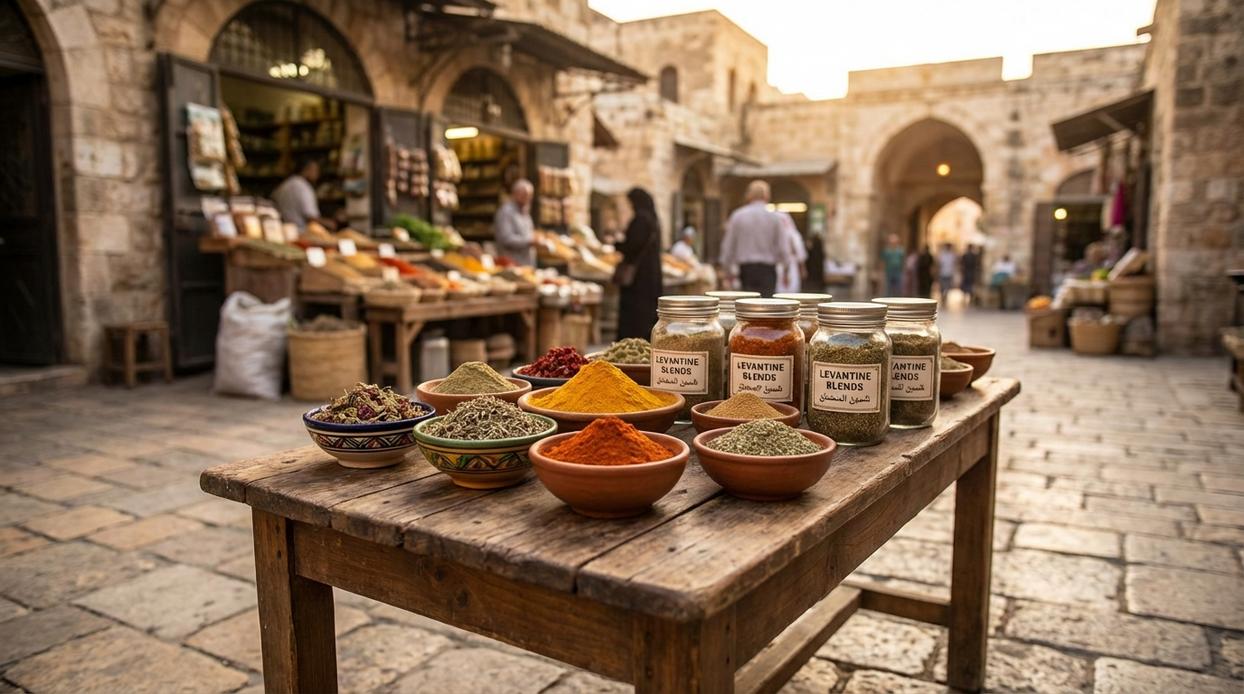
Ras el Hanout literally means “top of the shop” — the best spices a merchant has to offer. Think of it as the crown jewel of spice blends. Unlike simpler Middle Eastern herb mixes, this Moroccan masterpiece can contain dozens of ingredients: turmeric, ginger, cardamom, cinnamon, and cumin layered with unexpected floral notes like rose petals or lavender. The result is a blend designed to impress (and it absolutely does).
Flavor-wise, expect something highly aromatic, warmly spiced, and subtly floral. It’s complex without being chaotic — like a perfectly composed symphony where every instrument knows its cue. Some argue it’s “too perfumed” for everyday cooking. I disagree. When balanced properly, those floral notes elevate rather than overpower.
Here’s my recommendation: reserve Ras el Hanout for dishes where you want a true wow factor. It’s essential in traditional tagines and couscous, but it also transforms roasted chicken and hearty vegetable stews into something dinner-party worthy.
For a smart meal prep efficiency hack, season a big batch of quinoa or chickpeas with Ras el Hanout. Use them all week in salads and grain bowls for an instant exotic upgrade.
How to Source, Store, and Make Your Own Blends
Sourcing High-Quality Blends
When buying pre-made blends, look for vibrant color, bold aroma, and minimal fillers. Fresh spices should smell alive the moment you open the jar (if you have to squint and sniff, it’s already past its prime). Avoid mixes padded with excess salt or anti-caking agents. Specialty grocers and reputable online spice merchants often list harvest dates or sourcing regions—details that signal freshness and transparency. These features aren’t just trivia; they directly impact flavor potency and how far your blend will stretch in recipes.
Proper Storage for Maximum Flavor
Spices degrade with exposure to heat, light, and air. Store them in airtight containers, away from the stove and out of direct sunlight. Cool, dark cabinets are ideal. According to food science research, ground spices typically lose noticeable potency after 6–12 months (McCormick Science Institute). Proper storage preserves essential oils—the compounds responsible for aroma and taste.
DIY Foundation
Try a simple za’atar: 2 tablespoons thyme, 1 tablespoon toasted sesame seeds, 1 tablespoon sumac, ½ teaspoon salt. Adjust ratios to taste. Making Middle Eastern herb mixes yourself deepens your connection to tradition—and lets your kitchen tell its own flavorful story.
Your First Step Into Global Flavor
Bringing Za’atar, Baharat, and Ras el Hanout into your routine is one of the simplest ways to refresh tired meals.
When dinner feels repetitive, the real problem isn’t skill — it’s habit.
A new blend rewires your palate (and wakes up your weeknight brain).
Some argue single spices offer more control, but blends are curated for balance and consistency — like a great soundtrack for your plate.
Start small tonight.
Sprinkle za’atar on eggs, stir a teaspoon of baharat into soup, or rub ras el hanout onto roasted vegetables.
Pro tip: bloom the spices in warm oil first for fragrance.
Bring More Heart to Every Meal
You came here looking for inspiration, clarity, and confidence in your cooking—and now you have a fresh perspective on building wholesome meals with bold, balanced flavors. From smart ingredient pairings to time-saving prep strategies, you’ve seen how thoughtful foundations can turn everyday dishes into something truly satisfying.
If you’ve been feeling stuck in repetitive recipes or overwhelmed by complicated techniques, remember this: great cooking doesn’t require complexity. It requires intention. Lean on vibrant staples like Middle Eastern herb mixes, build from whole ingredients, and prep with purpose so your kitchen works for you—not against you.
Now it’s your move. Choose one new flavor combination, prep one base ingredient ahead of time, and commit to elevating just one meal this week. Small shifts create lasting habits.
Ready to transform rushed, bland meals into nourishing, flavor-packed dishes you’re proud to serve? Start applying these techniques today and experience how simple, heartful cooking can completely change the way you eat.

 Ask Teresa Valdezitara how they got into meal prep efficiency hacks and you'll probably get a longer answer than you expected. The short version: Teresa started doing it, got genuinely hooked, and at some point realized they had accumulated enough hard-won knowledge that it would be a waste not to share it. So they started writing.
What makes Teresa worth reading is that they skips the obvious stuff. Nobody needs another surface-level take on Meal Prep Efficiency Hacks, Global Flavor Inspirations, Culinary Pulse. What readers actually want is the nuance — the part that only becomes clear after you've made a few mistakes and figured out why. That's the territory Teresa operates in. The writing is direct, occasionally blunt, and always built around what's actually true rather than what sounds good in an article. They has little patience for filler, which means they's pieces tend to be denser with real information than the average post on the same subject.
Teresa doesn't write to impress anyone. They writes because they has things to say that they genuinely thinks people should hear. That motivation — basic as it sounds — produces something noticeably different from content written for clicks or word count. Readers pick up on it. The comments on Teresa's work tend to reflect that.
Ask Teresa Valdezitara how they got into meal prep efficiency hacks and you'll probably get a longer answer than you expected. The short version: Teresa started doing it, got genuinely hooked, and at some point realized they had accumulated enough hard-won knowledge that it would be a waste not to share it. So they started writing.
What makes Teresa worth reading is that they skips the obvious stuff. Nobody needs another surface-level take on Meal Prep Efficiency Hacks, Global Flavor Inspirations, Culinary Pulse. What readers actually want is the nuance — the part that only becomes clear after you've made a few mistakes and figured out why. That's the territory Teresa operates in. The writing is direct, occasionally blunt, and always built around what's actually true rather than what sounds good in an article. They has little patience for filler, which means they's pieces tend to be denser with real information than the average post on the same subject.
Teresa doesn't write to impress anyone. They writes because they has things to say that they genuinely thinks people should hear. That motivation — basic as it sounds — produces something noticeably different from content written for clicks or word count. Readers pick up on it. The comments on Teresa's work tend to reflect that.