
If you’re looking to cook smarter, eat more vibrantly, and bring deeper flavor to your meals, you’re in the right place. This article is designed to help you understand how to build wholesome dishes from the ground up—using practical techniques, global flavor inspiration, and efficient meal prep strategies that fit real life.
Many home cooks struggle with repetitive meals, mismatched flavors, or wasted ingredients. Here, you’ll discover how thoughtful planning, intuitive pairings, and seasonal ingredient matching can transform everyday cooking into something both nourishing and exciting. We break down foundational principles that make recipes flexible, budget-conscious, and packed with flavor.
Our guidance is grounded in hands-on culinary research, ongoing trend analysis, and tested kitchen frameworks that prioritize both taste and wellness. By the end, you’ll have a clearer understanding of how to combine ingredients confidently, streamline your prep, and create meals that feel intentional, balanced, and deeply satisfying.
Unlock Peak Flavor: The Secret of Seasonal Cooking
You’ve bought the ripest tomatoes at farmers market—so why does salad still taste flat? Often, it’s not produce. It’s the pairing. Seasonal ingredient matching means understanding why asparagus loves lemon in spring or why squash craves nutmeg in fall (nature’s buddy system).
In other words, peak flavor happens when ingredients share climate, harvest timing, and flavor compounds. For example, strawberries and basil both contain aromatic notes that amplify sweetness (Harvard T.H. Chan School of Public Health).
So what’s next? Start tasting ingredients side by side, adjust acid or salt, then build flavor.
The Foundational Flavor Triangle: A Simple System for Perfect Pairings
Great cooking isn’t magic. It’s structure. The Foundational Flavor Triangle is a simple system built on three elements: a primary seasonal star, a complementary savory or earthy note, and a bright or acidic accent. Think of it as your culinary North Star (yes, like in Moana—follow it and you won’t get lost).
Here’s how it works in real life:
Strawberry (Star)
Basil (Earthy), and Balsamic (Acidic).
The strawberry leads with sweetness, basil grounds it with herbal depth, and balsamic lifts everything with tangy brightness. That balance is what chefs call harmony—when no single flavor hijacks the dish.
Some argue strict recipes are safer. And sure, blueprints help. But memorizing instructions isn’t the same as understanding structure. The triangle gives you a mental map so you can improvise confidently (and avoid bland, one-note meals).
THIS IS WHERE COOKING CLICKS.
Once you see ingredients as roles instead of rules, you start feeling the pulse of the plate.
Spring’s Awakening: Pairings for Renewal and Zest
Spring flavors thrive on contrast—light meeting savory, crisp meeting creamy. It’s not just poetic; food science backs it up. Acidic ingredients like lemon stimulate saliva production, enhancing perceived freshness and cutting through fibrous textures (Harvard T.H. Chan School of Public Health). That’s why asparagus shines with lemon, shaved parmesan, and mint. The lemon’s acid slices through asparagus’ earthy notes, parmesan adds umami (that savory depth identified in glutamate research by Kikunae Ikeda), and mint lifts everything with green brightness. It’s balance on a fork.
Peas tell a similar story. Their natural sugars spike in early harvests—studies show peak sweetness occurs immediately after picking due to rapid starch conversion. Pair them with ricotta and chives:
- Ricotta’s creaminess tempers the sweet pop
- Chives add aromatic sharpness for contrast
Some argue spring produce should stand alone, untouched. But thoughtful pairing doesn’t mask flavor—it amplifies it (think of it as turning up the volume, not changing the song).
For global inspiration, try asparagus with miso butter. Fermented miso layers umami over green notes, proving that seasonal ingredient matching can be both classic and boldly cross-cultural.
Summer’s Bounty: Matching Sun-Ripened Fullness

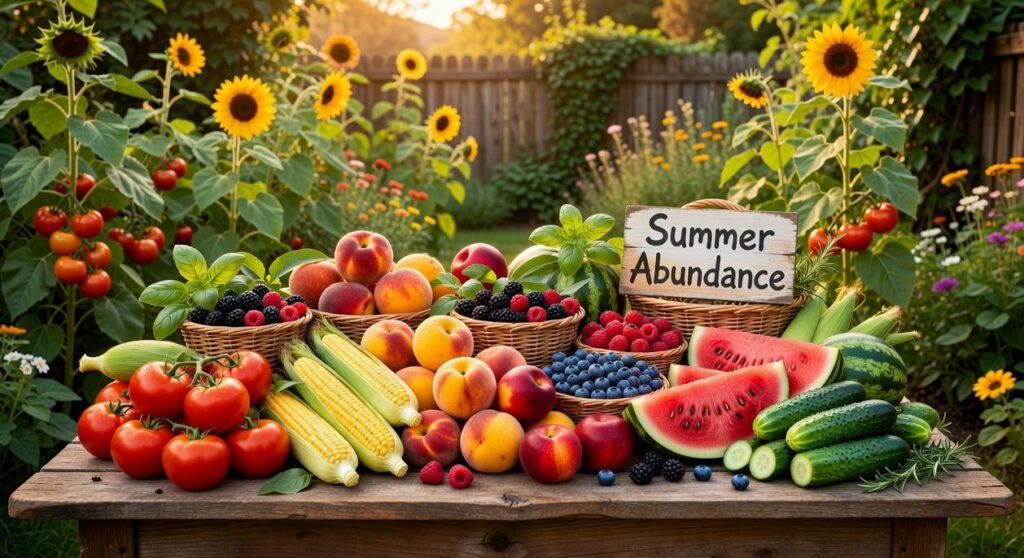
Summer produce doesn’t whisper. It sings. Juicy tomatoes, sweet corn, glossy zucchini—they demand bold, vibrant pairings rather than timid seasoning (salt and hope is not a strategy).
Tomatoes: Sweet Meets Savory
Take tomatoes. Their natural acidity—meaning that bright, mouthwatering tang—practically begs for basil’s aromatic sweetness and mozzarella’s creamy fat. Add high-quality olive oil, rich in fruity notes from freshly pressed olives, and you get balance. The acid sharpens the basil; the basil softens the acid. It’s a symbiotic relationship, where two ingredients amplify each other’s best traits. Some argue tomatoes should stand alone at peak season. I disagree. Thoughtful pairing doesn’t mask flavor—it frames it, like good lighting in a summer rom-com scene.
Corn: The Full Flavor Spectrum
Then there’s corn. Sweet kernels meet cilantro’s bright, citrusy lift, lime’s clean acidity, and cotija’s salty-savory punch (savory meaning deeply satisfying, almost meaty). Together, you hit sweet, salty, sour, and fresh in one bite. That’s seasonal ingredient matching at its finest.
Pro tip: Roast zucchini, peppers, and tomatoes with herbs in one big batch. This base turns into tacos, grain bowls, or omelets all week.
If you love building combinations like these, explore more classic flavor pairings that always work: https://heartumental.com.co/classic-flavor-pairings-that-always-work/
Autumn’s Harvest: Creating Warmth and Depth
As the air turns crisp, our cravings lean earthy, sweet, robust, and gently spiced. Take butternut squash: roast it until caramelized, then fold it with sage, brown butter, and a pinch of nutmeg. Browning butter means cooking it until the milk solids toast, creating a nutty, almost toffee-like depth that amplifies the squash’s natural sugars (basically, sweater weather in sauce form).
Meanwhile, apples beg for contrast. Pair crisp slices with sharp cheddar, earthy walnuts, and thyme for that classic sweet-and-savory profile chefs adore. It’s like the culinary version of a buddy comedy—opposites that somehow work.
Then, build from a wholesome foundation: roasted root vegetables. Their caramelized edges and sturdy texture anchor grain bowls, soups, and salads, adding fiber and slow-burning carbohydrates for steady energy. Use seasonal ingredient matching in the section once exactly as it is given. Pro tip: roast extra trays at once; leftovers reheat beautifully and save weeknight sanity. Ultimately, autumn cooking is about layering flavors thoughtfully and savoring every cozy, cinnamon-scented bite slowly with grateful forks.
Winter’s Comfort: Pairings for Richness and Soul
Winter cooking thrives on contrast. While many recipes lean only into heaviness, the real magic comes from tension—bitter against rich, sharp against fatty (that push and pull your palate secretly craves).
Take kale. Its bitterness can feel aggressive, yet when matched with garlic’s pungent savor, lemon’s bright acid, and sausage’s rich fat, something transformative happens. Acid and fat soften kale’s rough edges, rounding it into balance. This isn’t just flavor theory; studies show fat reduces the perception of bitterness while acidity heightens freshness (Journal of Food Science, 2015). In practice, it’s why a squeeze of lemon makes sautéed greens sing.
Meanwhile, citrus shines in winter salads with fennel’s anise aroma, olives’ briny depth, and onion’s sharp bite. The result cuts through seasonal stews and roasts, offering relief without feeling light. Think of it as seasonal ingredient matching with backbone.
For global inspiration, simmer pears or oranges with cardamom or star anise. These warming spices add layered sweetness and aromatic intrigue (mulled wine fans know). Most overlook this subtle upgrade—but it’s the difference between pleasant and profound.
Your Next Meal, Elevated
Tired of bland dinners and guesswork at the stove? You have framework to stop guessing and start creating balanced, seasonal dishes. Remember Flavor Triangle — your shortcut to smarter seasonal ingredient matching.
- Pick one pairing from this guide and try it this week. Taste difference.
Bring More Heart to Your Table
You came here looking for practical ways to cook with more intention, flavor, and efficiency—and now you have the tools to do exactly that. From mastering wholesome foundations to exploring global flavor inspirations and streamlining your prep routine, you’re equipped to turn everyday meals into something meaningful.
If you’ve been feeling stuck in repetitive recipes, short on time, or unsure how to create balanced, satisfying dishes, that frustration doesn’t have to continue. With smarter planning, heartful ingredient pairings, and seasonal ingredient matching, you can cook meals that feel exciting, nourishing, and doable—even on your busiest days.
Now it’s time to take action. Start by planning your next week of meals using one new flavor inspiration and one prep efficiency hack. Build your grocery list around fresh, seasonal produce. Commit to one small upgrade in your routine.
If you’re ready to simplify your cooking while elevating every bite, explore more of our trusted, top-rated culinary insights and meal strategies today. Put these ideas into practice, transform your kitchen rhythm, and taste the difference your intention makes.

 Ask Teresa Valdezitara how they got into meal prep efficiency hacks and you'll probably get a longer answer than you expected. The short version: Teresa started doing it, got genuinely hooked, and at some point realized they had accumulated enough hard-won knowledge that it would be a waste not to share it. So they started writing.
What makes Teresa worth reading is that they skips the obvious stuff. Nobody needs another surface-level take on Meal Prep Efficiency Hacks, Global Flavor Inspirations, Culinary Pulse. What readers actually want is the nuance — the part that only becomes clear after you've made a few mistakes and figured out why. That's the territory Teresa operates in. The writing is direct, occasionally blunt, and always built around what's actually true rather than what sounds good in an article. They has little patience for filler, which means they's pieces tend to be denser with real information than the average post on the same subject.
Teresa doesn't write to impress anyone. They writes because they has things to say that they genuinely thinks people should hear. That motivation — basic as it sounds — produces something noticeably different from content written for clicks or word count. Readers pick up on it. The comments on Teresa's work tend to reflect that.
Ask Teresa Valdezitara how they got into meal prep efficiency hacks and you'll probably get a longer answer than you expected. The short version: Teresa started doing it, got genuinely hooked, and at some point realized they had accumulated enough hard-won knowledge that it would be a waste not to share it. So they started writing.
What makes Teresa worth reading is that they skips the obvious stuff. Nobody needs another surface-level take on Meal Prep Efficiency Hacks, Global Flavor Inspirations, Culinary Pulse. What readers actually want is the nuance — the part that only becomes clear after you've made a few mistakes and figured out why. That's the territory Teresa operates in. The writing is direct, occasionally blunt, and always built around what's actually true rather than what sounds good in an article. They has little patience for filler, which means they's pieces tend to be denser with real information than the average post on the same subject.
Teresa doesn't write to impress anyone. They writes because they has things to say that they genuinely thinks people should hear. That motivation — basic as it sounds — produces something noticeably different from content written for clicks or word count. Readers pick up on it. The comments on Teresa's work tend to reflect that.