
If you’re looking to eat better without sacrificing flavor, you’re in the right place. This guide is designed for home cooks who want practical, nourishing strategies that make healthy meals feel exciting—not restrictive. From smarter whole food grocery shopping to building balanced plates with global flavor inspiration, we’ll show you how to turn everyday ingredients into satisfying, heartful dishes.
Many people struggle with meal fatigue, bland “healthy” recipes, or time-consuming prep routines that aren’t sustainable. This article cuts through the noise with wholesome cooking foundations, thoughtful ingredient pairings, and efficient meal prep techniques you can actually stick to.
Our approach is grounded in culinary research, nutritional best practices, and real-world kitchen testing to ensure every tip is both flavorful and functional. Whether you’re refreshing your weekly menu or starting a more intentional cooking routine, you’ll find practical insights here to help you cook with confidence, creativity, and care.
Your guide to a smarter, healthier grocery trip starts with a simple shift: think of the store as a map, not a maze. At first, bright labels shout like billboards, but understanding them is more like learning road signs. For whole food grocery shopping, focus on:
- Ingredient lists—shorter means closer to nature.
- Certifications like USDA Organic, which signal regulated standards.
- Unit pricing, compass for value.
However, some argue organic is always too expensive. Yet, prioritizing produce known for higher pesticide residues, as flagged by the Environmental Working Group, can balance health and budget. In short, shop strategically
The USDA Organic Seal—What It Actually Guarantees
Not all “organic” labels mean the same thing (and yes, the fine print matters).
- 100% Organic: Every ingredient is certified organic.
- Organic: At least 95% of ingredients are organic; the rest must meet strict standards.
- Made with Organic: At least 70% organic ingredients—no USDA seal allowed.
These tiers regulate farming practices, prohibiting synthetic pesticides, sewage sludge, irradiation, and most synthetic fertilizers (USDA). What competitors rarely mention? Organic doesn’t automatically mean local, humane, or low-sugar. Organic cookies are still cookies.
The “Natural” Misconception
Here’s the uncomfortable truth: for most packaged foods, “natural” is not formally regulated by the FDA. Companies can use it even if ingredients are highly processed. Instead, scan for short ingredient lists and no artificial colors, flavors, or preservatives.
Beyond the Buzzwords
- Non-GMO Project Verified: Third-party testing ensures no genetically modified organisms.
- Grass-Fed: Animals eat primarily grass, though standards vary.
- Pasture-Raised: Animals have outdoor access, but space requirements differ by certifier.
In whole food grocery shopping, labels should guide—not decide—your cart.
Rule of thumb: If you can’t pronounce an ingredient or it sounds synthetic, investigate it. Some additives are harmless (ascorbic acid is just vitamin C), but curiosity beats blind trust every time.
A Strategic Map to the Natural Foods Store
Walking into a natural foods store without a plan is like entering a maze with a smoothie in hand (refreshing, but messy). The good news? A simple strategy turns whole food grocery shopping into a HEALTH-BOOSTING, MONEY-SAVING routine.
Start with the Perimeter
The outer aisles—produce, fresh meat, dairy—are your foundation. These are whole foods in their most recognizable form (no chemistry degree required). Seasonal, local produce often tastes better and costs less due to shorter transport times and higher supply (USDA notes seasonal buying can lower produce costs). What’s in it for you? Better flavor, higher nutrient retention, and a cart filled with ingredients that actually support your energy and heart health.
The Bulk Bins Advantage
Bulk bins are a budget powerhouse. Buying grains, legumes, nuts, and spices by weight reduces packaging waste and lets you purchase only what you need. That means fresher ingredients and less food tossed in the trash. According to the Natural Resources Defense Council, reducing food waste saves the average household hundreds annually. Pro tip: Bring reusable jars and label them clearly at checkout.
Navigating the Center Aisles
Not all packaged foods are villains. Focus on:
- Canned beans (low sodium)
- Whole-grain pastas
- Extra-virgin olive oil
These staples streamline meal prep and deliver fiber and healthy fats linked to improved heart health (American Heart Association).
The Frozen Section Goldmine
Frozen organic fruits and vegetables are picked at peak ripeness and flash-frozen, preserving nutrients (Harvard Health). You gain convenience, lower cost, and longer shelf life—without sacrificing quality. SMART SHOPPING, real results.
Eating Clean Without Cleaning Out Your Wallet
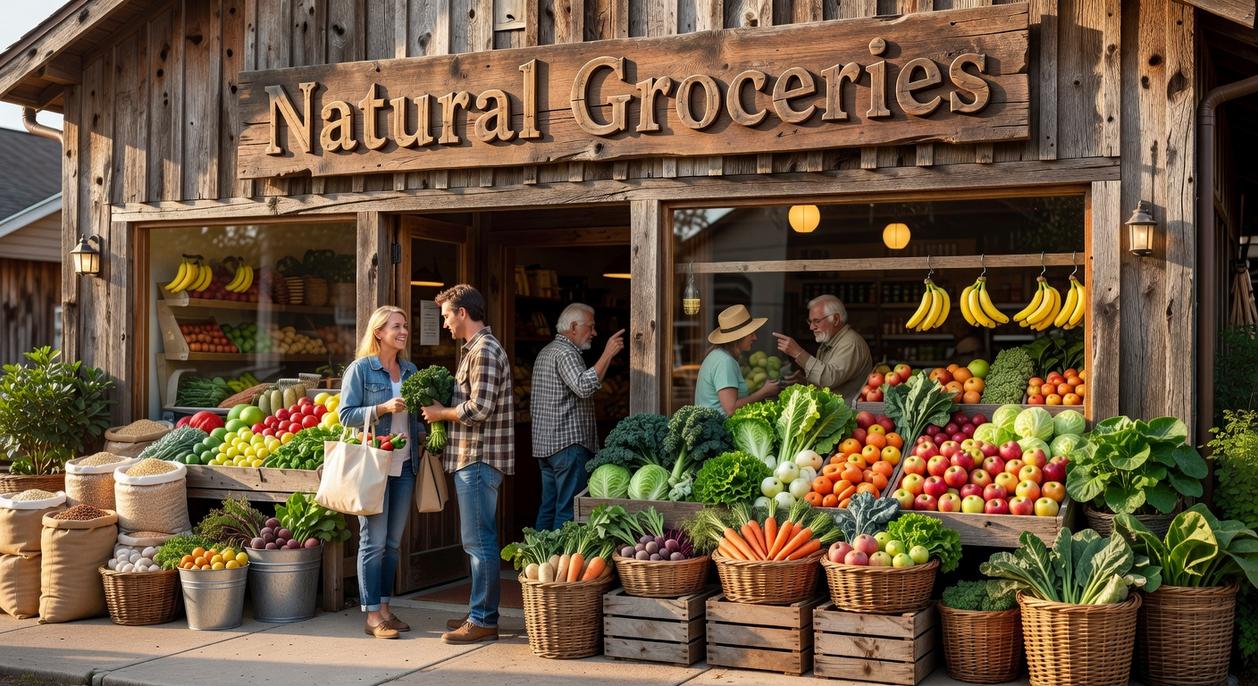
If you’ve ever stood in the produce aisle comparing two apples—one $0.99, one $2.99—and felt personally attacked, you’re not alone. Eating clean sounds noble until your receipt looks like a car payment.
Prioritizing Your Organic Budget
Enter the Dirty Dozen and Clean Fifteen. These annual lists (published by the Environmental Working Group) rank produce by pesticide residue levels. The Dirty Dozen includes items like strawberries and spinach—worth buying organic when possible. The Clean Fifteen (think avocados and onions) are generally lower in residues, so conventional is fine. It’s a strategy, not a splurge.
Some argue the lists exaggerate risk. And yes, the USDA says most produce falls within safety limits. But if your budget is tight, this method helps you focus spending where it may matter most (without spiraling in aisle five).
The Power of Plant-Based Protein
Organic meat adds up fast. Swapping in organic lentils, beans, and tofu—plant-based proteins rich in fiber and nutrients—can slash costs dramatically. A pound of dried lentils often costs less than a single organic chicken breast. Pro tip: Cook a big batch and freeze portions for future meals.
Embrace Store Brands
During whole food grocery shopping, skip the flashy labels. Store-brand organic oats, canned tomatoes, and nut butters are typically comparable in quality but lower in price. You’re paying for ingredients—not marketing.
Meal Planning Is Non-Negotiable
Impulse buys are budget killers.
- Check your pantry.
- Plan five simple dinners.
- Write a tight list.
- Stick to it.
If you need a framework, revisit how to build a balanced plate for everyday meals. A clear plan prevents waste, saves money, and keeps your fridge from becoming a science experiment.
Unlocking Global Flavors and Culinary Foundations
To begin with, expanding your palate doesn’t require chef-level skills. It starts with one new ingredient. A whole grain like farro (an ancient wheat with a chewy texture) or freekeh (roasted green wheat with a smoky note) adds depth to simple bowls. Likewise, celeriac—also called celery root—looks knobby but tastes subtly sweet when roasted.
Next, consider the spice aisle secret. Whole spices are intact seeds or bark; grinding them fresh releases aromatic oils for stronger flavor and better value (pro tip: toast before grinding). Think of it as leveling up your whole food grocery shopping game—very “Salt Fat Acid Heat.”
Finally, pair roasted root vegetables with tahini, or black beans with quinoa and avocado for balanced, heartful meals.
Bringing wholesome foods from your cart to your kitchen doesn’t require perfection—just a plan. If you felt overwhelmed by prices, labels, and endless options, that’s normal. I still debate whether every “natural” stamp means better; the research can be murky. What we do know, though, is that prioritizing whole ingredients correlates with improved health outcomes, including lower cardiovascular risk (Harvard T.H. Chan School of Public Health). With whole food grocery shopping, a simple meal plan and the Dirty Dozen list turn confusion into clarity. Start small, track spending, and adjust as you learn. Will every choice be perfect? Probably not.
Bring It All Together in Your Kitchen
You came here looking for a simpler, more nourishing way to approach your meals—and now you have the tools to make it happen. From smarter ingredient pairings to efficient prep strategies, you’ve seen how small, intentional shifts can transform the way you cook and eat.
If you’ve been feeling overwhelmed in the kitchen, stuck in repetitive meals, or unsure how to make healthier choices without sacrificing flavor, that frustration is valid. Cooking should feel grounding, not draining. With the right foundations, it becomes easier to create balanced, satisfying dishes that support both your energy and your schedule.
Now it’s time to act. Start with one focused whole food grocery shopping trip built around versatile staples. Plan two or three meals that share ingredients. Prep once, eat well all week. Simple systems create lasting change.
If you’re ready to eliminate mealtime stress, elevate your flavors, and cook with confidence, take the next step today. Explore more practical guides, apply these strategies in your kitchen, and experience how thoughtful, efficient cooking can completely reshape your routine. Your table—and your wellbeing—deserve it.

 Ask Teresa Valdezitara how they got into meal prep efficiency hacks and you'll probably get a longer answer than you expected. The short version: Teresa started doing it, got genuinely hooked, and at some point realized they had accumulated enough hard-won knowledge that it would be a waste not to share it. So they started writing.
What makes Teresa worth reading is that they skips the obvious stuff. Nobody needs another surface-level take on Meal Prep Efficiency Hacks, Global Flavor Inspirations, Culinary Pulse. What readers actually want is the nuance — the part that only becomes clear after you've made a few mistakes and figured out why. That's the territory Teresa operates in. The writing is direct, occasionally blunt, and always built around what's actually true rather than what sounds good in an article. They has little patience for filler, which means they's pieces tend to be denser with real information than the average post on the same subject.
Teresa doesn't write to impress anyone. They writes because they has things to say that they genuinely thinks people should hear. That motivation — basic as it sounds — produces something noticeably different from content written for clicks or word count. Readers pick up on it. The comments on Teresa's work tend to reflect that.
Ask Teresa Valdezitara how they got into meal prep efficiency hacks and you'll probably get a longer answer than you expected. The short version: Teresa started doing it, got genuinely hooked, and at some point realized they had accumulated enough hard-won knowledge that it would be a waste not to share it. So they started writing.
What makes Teresa worth reading is that they skips the obvious stuff. Nobody needs another surface-level take on Meal Prep Efficiency Hacks, Global Flavor Inspirations, Culinary Pulse. What readers actually want is the nuance — the part that only becomes clear after you've made a few mistakes and figured out why. That's the territory Teresa operates in. The writing is direct, occasionally blunt, and always built around what's actually true rather than what sounds good in an article. They has little patience for filler, which means they's pieces tend to be denser with real information than the average post on the same subject.
Teresa doesn't write to impress anyone. They writes because they has things to say that they genuinely thinks people should hear. That motivation — basic as it sounds — produces something noticeably different from content written for clicks or word count. Readers pick up on it. The comments on Teresa's work tend to reflect that.