

Smarter Sourcing: The “How” and “Where” of Your Food
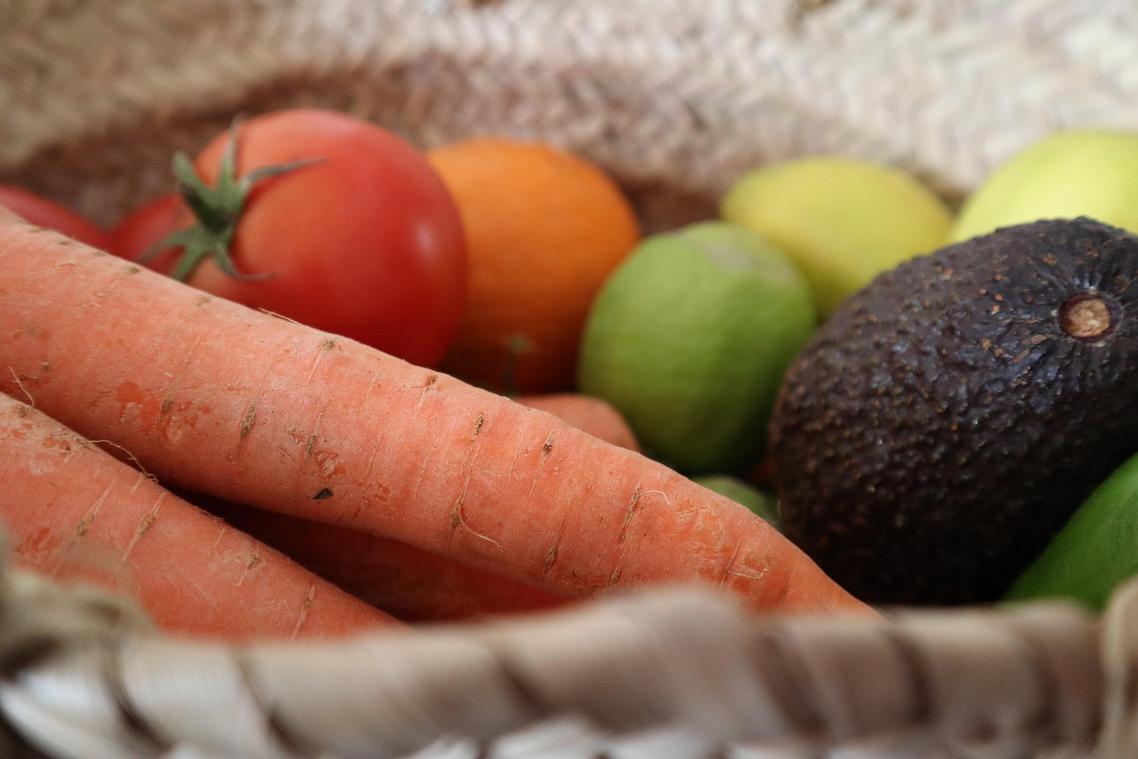
Let’s get practical. If you want to eat better, start by looking at where your food comes from.
The Value of Local
“Food miles” refers to the distance food travels from farm to plate. According to the USDA, produce in the U.S. travels an average of 1,500 miles before reaching consumers. That’s a lot of fuel for a tomato. Buying local reduces those miles, supports nearby farmers, and often means fresher flavor (because strawberries picked yesterday beat ones shipped cross-country—every time).
Some argue local isn’t always more sustainable, especially if transportation is efficient at scale. Fair point. But in many cases, shorter supply chains mean less storage time, less packaging, and stronger local economies. That’s a win worth considering.
Recommendation: Prioritize local for highly perishable foods like greens, berries, and herbs.
Eat With the Seasons
Seasonal eating reduces energy-intensive growing methods like heated greenhouses. Think asparagus in spring, tomatoes and zucchini in summer, squash in fall. Out-of-season strawberries in January? They likely traveled far—or required serious energy inputs.
Pro tip: If it’s abundant and affordable, it’s probably in season.
Go Beyond the Supermarket
Farmers’ markets and CSAs (Community Supported Agriculture programs where you subscribe to a farm’s harvest) reconnect you with your food source. They also make sustainable eating habits more practical and enjoyable.
If you’re curious how sourcing fits into broader kitchen shifts, explore the evolution of home cooking in the digital age.
Your Journey to a Greener Plate Starts Now
You wanted a practical, realistic way to make your meals better for the planet—without giving up the flavors you love. Now you have a complete toolkit to build environmentally-friendly choices that fit your values and your taste buds.
Changing how you eat can feel overwhelming. It’s easy to think you need to overhaul everything overnight. But lasting sustainable eating habits aren’t built on extremes—they’re built on small, consistent shifts.
When you focus on adding more plants, reducing food waste, and shopping smarter, you create routines that stick. A new lentil recipe here. A thoughtful meal plan there. These simple steps compound into meaningful impact—for your health and the environment.
You came here looking for a doable path forward. Now you have one.
Here’s your next step: pick one strategy from this guide and try it this week. Cook one plant-based meal. Plan five dinners in advance. Make one waste-reducing swap.
If you’re ready for simple, flavorful guidance that makes greener eating effortless, explore more of our proven, practical insights and start transforming your plate today.

 Ask Xendris Zolmuth how they got into global flavor inspirations and you'll probably get a longer answer than you expected. The short version: Xendris started doing it, got genuinely hooked, and at some point realized they had accumulated enough hard-won knowledge that it would be a waste not to share it. So they started writing.
What makes Xendris worth reading is that they skips the obvious stuff. Nobody needs another surface-level take on Global Flavor Inspirations, Insightful Reads, Meal Prep Efficiency Hacks. What readers actually want is the nuance — the part that only becomes clear after you've made a few mistakes and figured out why. That's the territory Xendris operates in. The writing is direct, occasionally blunt, and always built around what's actually true rather than what sounds good in an article. They has little patience for filler, which means they's pieces tend to be denser with real information than the average post on the same subject.
Xendris doesn't write to impress anyone. They writes because they has things to say that they genuinely thinks people should hear. That motivation — basic as it sounds — produces something noticeably different from content written for clicks or word count. Readers pick up on it. The comments on Xendris's work tend to reflect that.
Ask Xendris Zolmuth how they got into global flavor inspirations and you'll probably get a longer answer than you expected. The short version: Xendris started doing it, got genuinely hooked, and at some point realized they had accumulated enough hard-won knowledge that it would be a waste not to share it. So they started writing.
What makes Xendris worth reading is that they skips the obvious stuff. Nobody needs another surface-level take on Global Flavor Inspirations, Insightful Reads, Meal Prep Efficiency Hacks. What readers actually want is the nuance — the part that only becomes clear after you've made a few mistakes and figured out why. That's the territory Xendris operates in. The writing is direct, occasionally blunt, and always built around what's actually true rather than what sounds good in an article. They has little patience for filler, which means they's pieces tend to be denser with real information than the average post on the same subject.
Xendris doesn't write to impress anyone. They writes because they has things to say that they genuinely thinks people should hear. That motivation — basic as it sounds — produces something noticeably different from content written for clicks or word count. Readers pick up on it. The comments on Xendris's work tend to reflect that.