
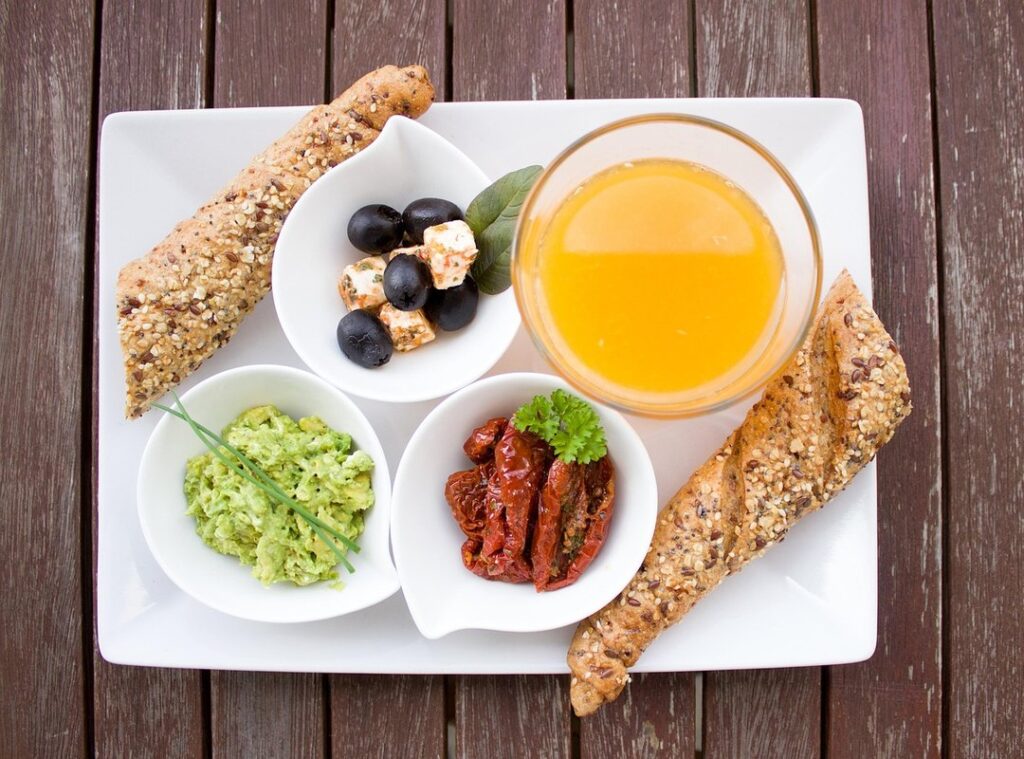
Standing in the grocery aisle, you wonder if choosing “whole grain” is just hype or truly valuable for your health and meals. I’ve been there. I know the confusion.
Let’s move past the dry facts and dig into the deeply satisfying world of whole grains. They do more than nourish your body. They can transform your cooking and bring joy to your meals.
I have a passion for wholesome cooking, and I believe in the power of simple, strong ingredients.
This article promises to guide you with warmth and clarity, uncovering the whole grains benefits and helping you fall in love with their taste and versatility.
Whole Grains: Unraveled and Real
What truly makes a grain “whole”? It’s about keeping all the parts together. Imagine a piece of fruit.
The skin, the flesh, the seeds. Each part has its unique role. Whole grains work the same way.
You’ve got the bran, packed with fiber that your gut craves. Then there’s the germ, with its load of nutrients. Finally, the endosperm, the starch powerhouse.
When you refine grains, like turning wheat into white flour, you lose the bran and germ. It’s like peeling fruits and tossing the skin and seeds. Sure, it’s smoother, but you miss out on the good stuff.
Refined grains might seem more convenient (who doesn’t love fluffy white bread?), but they lack the depth whole grains bring. The benefits of these grains are undeniable. They form the foundation for health, and understanding this is a step towards mastering important cooking skills everyday meals.
Why settle for less when the whole package is right there? Embrace the wholeness. It’s not just about eating; it’s about nourishment.
Whole grains offer so much more, and knowing their makeup sets the stage for tasty, healthful choices.
Whole Grains: The Silent Champions of Health
Whole grains aren’t just food (they’re) like loyal friends looking out for your health. Let’s talk heart health first. Soluble fiber in grains like oats and barley acts like a gentle guardian for your heart.
It helps manage cholesterol, preventing those pesky plaques from crashing your arteries’ party. You might not feel it right away, but trust me, your heart will thank you later.
Now, to digestion. Think of insoluble fiber as the gardener of your gut, cultivating a thriving inner garden. This fiber doesn’t dissolve in water; instead, it bulks up your stool.
Yes, I said stool. Regularity is key for digestion, and whole grains like wheat and brown rice are your digestive allies. They also feed good gut bacteria.
Pro tip: More good bacteria can mean fewer stomach issues.
Energy levels are key, right? Imagine your energy as a slow-burning fire. Whole grains provide complex carbs (your) body’s version of steady, reliable energy fuel.
Compare that to refined carbs, which are like throwing paper on the fire. Quick burn, quick crash. Ever felt that afternoon slump?
Whole grains can help avoid that.
Nutrient density is another card whole grains play well. They’re packed with B vitamins, magnesium, and iron. These nutrients are not just health buzzwords.
They’re important. They contribute to overall vitality, supporting everything from your immune system to energy metabolism. To learn more about whole grains benefits, check out this resource.
So, what’s the takeaway? Whole grains offer a full spectrum of benefits. From heart support to digestive wellness, steady energy, and nutrient density.
They’re not flashy, but they work slowly in the background, keeping you at your best. Next time you reach for a snack, think about what a little whole grain goodness could do for you.
A World of Flavor: Whole Grains with Personality
When we talk about whole grains, it’s easy to get stuck on the usual suspects. Brown rice and whole wheat have their place, but let’s spice things up. I mean, who wants to eat the same thing every day?

There’s a world of flavor waiting in the less common grains.
Let’s start with farro. Its chewy texture and nutty flavor make it a fantastic choice for a rustic Italian-style salad. Think tomatoes, olives, maybe some feta.
You can almost taste the countryside with each bite.
Then there’s quinoa. You’ve probably heard of it, but have you really explored it? Its fluffy texture is perfect for lively Latin American-inspired bowls.
Add some black beans, corn, avocado, and you’ve got a meal that’s both delicious and full of whole grains benefits. It’s like a fiesta in a bowl.
Its subtly sweet flavor pairs beautifully with roasted veggies or even a hearty stew. Seriously, don’t sleep on millet.
Ever tried millet? It’s a bit of a chameleon. Cook it fluffy or creamy, depending on your mood.
And for something truly unique, give freekeh a shot. It’s firm and earthy, with a smoky note that adds depth to any dish. Use it as a base for a Middle Eastern-inspired pilaf with nuts and dried fruits.
Freekeh brings an ancient twist to modern cooking.
These grains are more than just side dishes. They’re culinary adventures waiting to happen. So next time you’re looking to shake up your meals, remember there’s more to explore than just brown rice and whole wheat.
For more tips on creating a balanced pantry healthy cooking, dive into new ingredients and let your taste buds travel.
From Bland to Brilliant: Simple Techniques for Delicious Grains
Let’s face it. Whole grains can be as exciting as Monday mornings. They’re often bland and a bit tricky to cook.
But trust me, they don’t have to be. The whole grains benefits are worth the effort. So, let’s make them sing.
Ever tried toasting your dry grains before cooking? This one trick can change everything. Throw them in a hot pan for a few minutes until they start to smell nutty and aromatic.
It’s like magic. The grains awaken, and suddenly, your kitchen smells like a cozy bakery. You’ll wonder why you didn’t do this sooner.
Then, there’s the liquid you cook them in. Plain water? Forget it.
Use broth instead. Vegetable, chicken (whatever) floats your boat. This infuses your grains with a savory depth from the start.
And yes, it makes a difference. Suddenly, you’re not just eating grains. You’re having a meal with character.
The Perfect Finish
Once cooked, don’t stop there. A squeeze of fresh lemon juice can brighten your grains like sunshine. A swirl of good olive oil adds richness.
Toss in a handful of chopped fresh herbs like parsley or cilantro. Sounds fancy, right? It’s not.
It’s just delicious. Toasted nuts or seeds? They add a whole new texture (and taste).
Here’s a quick guide to get you started:
| Grain | Grain-to-Liquid Ratio |
|---|---|
| Quinoa | 1:2 |
| Brown Rice | 1:2.5 |
Try these tips, and you’ll never look at whole grains the same way again.
Whole Grains: Flavor Meets Health
Whole grains aren’t just about numbers on a label. They’re about taste, texture, and that deep feeling of satisfaction with every bite. Choosing between ‘healthy’ and ‘delicious’?
That’s a myth we’ve all bought into. You can have both. With a little know-how and some simple techniques, you make whole grains a joy to cook with, not a burden.
So, here’s your challenge: pick one new grain from this article and try it in your next meal. Dive into the whole grains benefits. Feel the difference.
Embrace this delicious, wholesome goodness. You’ll wonder why you waited so long.

 Ask Teresa Valdezitara how they got into meal prep efficiency hacks and you'll probably get a longer answer than you expected. The short version: Teresa started doing it, got genuinely hooked, and at some point realized they had accumulated enough hard-won knowledge that it would be a waste not to share it. So they started writing.
What makes Teresa worth reading is that they skips the obvious stuff. Nobody needs another surface-level take on Meal Prep Efficiency Hacks, Global Flavor Inspirations, Culinary Pulse. What readers actually want is the nuance — the part that only becomes clear after you've made a few mistakes and figured out why. That's the territory Teresa operates in. The writing is direct, occasionally blunt, and always built around what's actually true rather than what sounds good in an article. They has little patience for filler, which means they's pieces tend to be denser with real information than the average post on the same subject.
Teresa doesn't write to impress anyone. They writes because they has things to say that they genuinely thinks people should hear. That motivation — basic as it sounds — produces something noticeably different from content written for clicks or word count. Readers pick up on it. The comments on Teresa's work tend to reflect that.
Ask Teresa Valdezitara how they got into meal prep efficiency hacks and you'll probably get a longer answer than you expected. The short version: Teresa started doing it, got genuinely hooked, and at some point realized they had accumulated enough hard-won knowledge that it would be a waste not to share it. So they started writing.
What makes Teresa worth reading is that they skips the obvious stuff. Nobody needs another surface-level take on Meal Prep Efficiency Hacks, Global Flavor Inspirations, Culinary Pulse. What readers actually want is the nuance — the part that only becomes clear after you've made a few mistakes and figured out why. That's the territory Teresa operates in. The writing is direct, occasionally blunt, and always built around what's actually true rather than what sounds good in an article. They has little patience for filler, which means they's pieces tend to be denser with real information than the average post on the same subject.
Teresa doesn't write to impress anyone. They writes because they has things to say that they genuinely thinks people should hear. That motivation — basic as it sounds — produces something noticeably different from content written for clicks or word count. Readers pick up on it. The comments on Teresa's work tend to reflect that.