
If you’re looking to elevate your everyday meals with deeper flavor, better nutrition, and smarter kitchen strategies, you’re in the right place. This article delivers practical culinary pulse insights, wholesome cooking foundations, and global flavor inspirations designed to help you cook with confidence and creativity. Whether you want heartful ingredient pairings that make dishes more satisfying or meal prep efficiency hacks that save time during busy weeks, you’ll find clear, actionable guidance here.
We draw on hands-on kitchen testing, nutrition research, and emerging cooking technology innovations to ensure every recommendation is both inspiring and practical. From building balanced plates to transforming simple staples into vibrant meals, this guide focuses on techniques that truly work in real kitchens. By the end, you’ll have the tools to create flavorful, nourishing dishes with less stress and more intention—no guesswork required.
Beyond the Microwave: How Tech is Redefining Home Cooking
Craving better meals but short on time? Fortunately, today’s cooking technology innovations turn chaotic kitchens into streamlined studios. Start with smart ovens that auto-adjust temperature, then add precision cookers for foolproof proteins. Meanwhile, app-connected scales boost baking accuracy (no more hockey-puck muffins).
Here’s what to try:
| Need | Recommendation | Why It Helps |
|—|—|—|
| Faster prep | Smart multicooker | Automates timing |
| Better flavor | Sous vide tool | Precise doneness |
| Less waste | Smart fridge tracker | Smarter shopping |
In short, upgrade strategically—choose tools that solve your biggest friction first.
The Connected Countertop: Smart Appliances That Think for You
Remember when smart kitchens sounded like something out of The Jetsons? Well, we’re basically there. Today’s connected appliances don’t just heat and cool—they think.
AI-Powered Ovens now come equipped with internal cameras that recognize what you place inside. A whole chicken? A tray of roasted vegetables? The oven identifies the food, then automatically selects the ideal cooking mode, temperature, and time. That means no more frantic Googling or second-guessing doneness (we’ve all sliced into undercooked chicken at least once). These systems use image recognition—a form of artificial intelligence that analyzes visual data—to reduce guesswork and deliver consistent results. Some models even learn your preferences over time, much like Spotify refining a playlist.
Intelligent Refrigeration tackles another modern dilemma: food waste. With internal scanners and inventory tracking, smart fridges monitor what you have, suggest recipes based on available ingredients, and generate shopping lists for missing items. The USDA estimates that 30–40% of the U.S. food supply is wasted annually (USDA, 2023). By flagging expiring items and streamlining meal planning, these appliances transform chaos into clarity.
Then there’s the magic of Integrated Kitchen Ecosystems:
- Send a recipe from your smart display directly to the oven
- Automatically preheat with the correct settings
- Sync timers across devices for seamless workflow
It’s like assembling the Avengers—but for dinner. These cooking technology innovations create a fluid, connected experience where appliances communicate through smart hubs and apps. The result? Less friction, more flavor, and a countertop that feels almost clairvoyant.
Precision and Perfection: The Rise of Guided Cooking
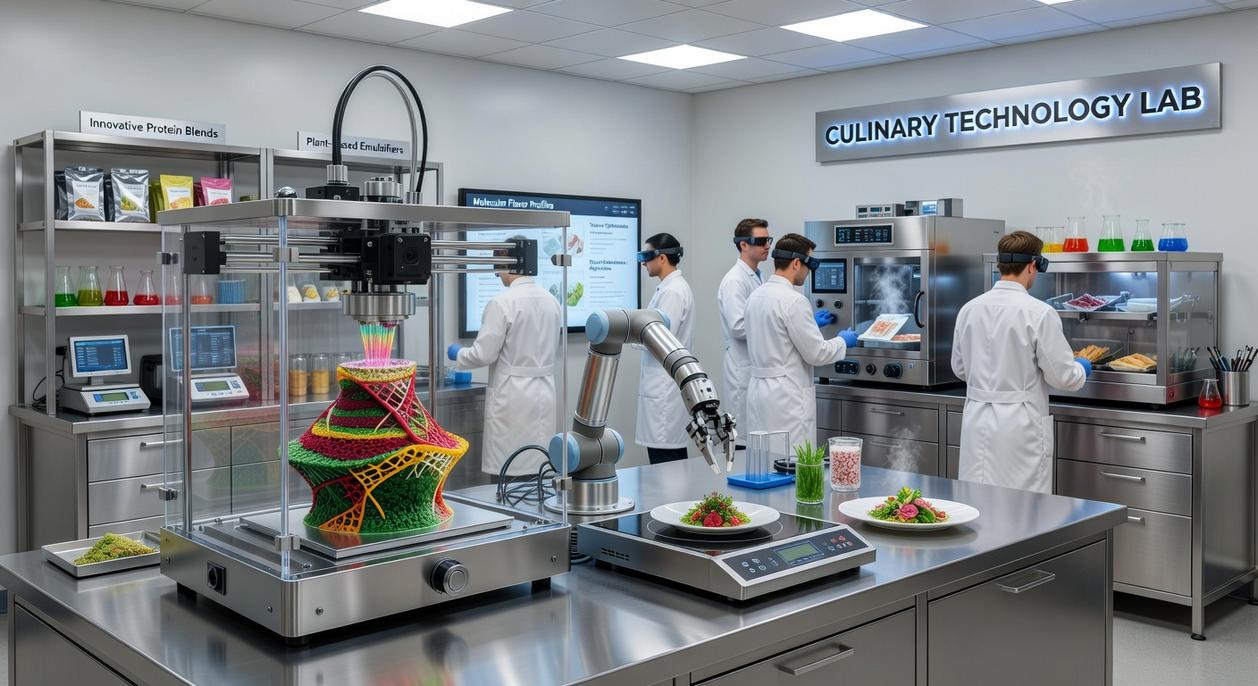
For years, restaurant-level precision felt out of reach for home cooks. Now, thanks to modern cooking technology innovations, accuracy is built right into our kitchens.
Sous Vide vs. Traditional Cooking
Sous vide—French for “under vacuum”—means cooking food in a sealed bag at a precisely controlled water temperature. Instead of blasting a steak in a hot pan and hoping for medium-rare, an immersion circulator holds water at, say, 130°F until the steak reaches that exact internal temperature.
Traditional stovetop methods rely on timing and intuition. Sous vide relies on physics. The result? Edge-to-edge doneness and remarkably tender texture (no gray bands in sight). Critics argue it’s too technical or time-consuming. Fair point—but affordable immersion circulators have simplified the process to little more than setting a dial and waiting. Pro tip: finish proteins with a quick sear for flavor and color.
Wireless Smart Thermometers vs. Guesswork
Next, consider leave-in wireless probes. Instead of opening the oven repeatedly (and losing heat), these thermometers send real-time temperature graphs to your phone. They estimate remaining cook time and alert you when food is ready.
Old-school approach: cut into the roast and hope for the best. Smart approach: monitor precise internal data. While some cooks prefer intuition, studies from the USDA show improper temperature control is a leading cause of overcooked or unsafe food. Data removes the gamble.
Zoned Induction Cooktops vs. Gas Burners
Finally, zoned induction cooktops offer near-instant heat adjustments across multiple areas. You can hold a sauce at a steady simmer while searing salmon inches away.
Gas provides visual flame control, yes—but induction delivers faster response times and improved energy efficiency (U.S. Department of Energy). For a deeper look at where this is heading, explore the top culinary trends shaping modern kitchens in 2026.
Precision isn’t replacing skill—it’s refining it.
Efficiency Unleashed: Gadgets That Master Meal Prep
Meal prep used to mean hours of chopping, stirring, and portioning. Now, it’s about leverage. The real edge isn’t just speed—it’s intelligent consolidation.
Next-Generation Food Processors
Today’s multi-function processors go far beyond basic chopping. These machines dice onions, spiralize zucchini, knead dough, and even sauté ingredients in the same bowl. In practical terms, that means fewer cutting boards, fewer pans, and fewer cleanup cycles. Some competitors highlight “power,” but overlook workflow design—preset sequencing that automatically transitions from chop to simmer without user input. That’s where true efficiency lives. Think of it as the kitchen equivalent of a Swiss Army knife (minus the tiny scissors you never use).
Critics argue these appliances are bulky and expensive. Fair. However, when one device replaces five—blender, food processor, spiralizer, steamer, and hot plate—the counter space math changes quickly.
Smart Nutrition Scales
Modern kitchen scales now sync with apps to calculate calories and macronutrients (proteins, fats, and carbohydrates that fuel the body) in real time. Add 120 grams of quinoa, and your app updates instantly. Skeptics say manual tracking works fine. But automated logging reduces input errors and decision fatigue—two silent killers of consistency. Pro tip: choose a scale with a barcode scanner for packaged items to cut logging time in half.
Automated and Time-Saving Tools
Automatic pan stirrers prevent scorching while you prep other components. Rapid beverage coolers chill drinks in minutes (no more ice-bath guesswork). Vacuum sealers extend ingredient freshness by removing air, slowing oxidation—the process that causes spoilage.
Ultimately, cooking technology innovations aren’t about flashy gadgets. They’re about reclaiming time, improving precision, and turning meal prep into a streamlined ritual rather than a weekly marathon.
Cooking Smarter, Not Harder: Your Culinary Future
Let’s clarify something: smart kitchens aren’t about robots replacing home cooks. They’re about using cooking technology innovations to simplify the parts of cooking that drain your time and energy. Think of them as sous-chefs that never call in sick (and never judge your knife skills).
The real challenge is balance. You want fresh, heartful meals, but your schedule says otherwise. That tension is real. “Efficient cooking” simply means reducing friction—fewer steps, less guesswork, and more predictable results.
Here’s the key distinction: automation handles repetition; you handle creativity. A precision cooker maintains exact temperature control (that means steady, accurate heat), while you decide the flavors and pairings. You stay in charge of the experience.
If you’re skeptical, that’s fair. Some argue tech overcomplicates simple meals. But when used intentionally, it removes obstacles, not joy.
Consider your biggest kitchen frustration. Odds are, there’s already a smarter tool ready to make wholesome, globally inspired cooking easier.
Bring More Heart to Every Meal
You came here looking for practical, inspiring ways to cook with more confidence, creativity, and intention—and now you have the foundations to do exactly that. From smarter meal prep systems to globally inspired flavor pairings and wholesome ingredient strategies, you’re equipped to turn everyday cooking into something both efficient and deeply satisfying.
But here’s the truth: the real frustration isn’t just deciding what to cook. It’s feeling stuck in repetitive meals, short on time, and unsure how to elevate simple ingredients into something memorable. When cooking feels overwhelming or uninspired, it drains the joy right out of your kitchen.
That’s where thoughtful techniques and cooking technology innovations make all the difference. By combining heartful ingredient pairings with smarter prep methods and modern tools, you can save time, reduce waste, and consistently create meals that feel intentional—not rushed.
Now it’s your move.
Start by choosing one new global flavor profile to experiment with this week. Prep two versatile base ingredients in advance. Apply one efficiency hack you’ve learned. Small shifts create powerful momentum.
If you’re ready to eliminate mealtime stress and cook with more clarity and creativity, explore our proven frameworks and flavor guides today. Join thousands of home cooks who’ve transformed their kitchens with our top-rated insights and practical systems.
Your meals can be simpler, smarter, and more soulful. Take the next step and make your kitchen a place of confidence and joy.

 There is a specific skill involved in explaining something clearly — one that is completely separate from actually knowing the subject. Robert Venableroso has both. They has spent years working with global flavor inspirations in a hands-on capacity, and an equal amount of time figuring out how to translate that experience into writing that people with different backgrounds can actually absorb and use.
Robert tends to approach complex subjects — Global Flavor Inspirations, Culinary Pulse, Heartful Ingredient Pairings being good examples — by starting with what the reader already knows, then building outward from there rather than dropping them in the deep end. It sounds like a small thing. In practice it makes a significant difference in whether someone finishes the article or abandons it halfway through. They is also good at knowing when to stop — a surprisingly underrated skill. Some writers bury useful information under so many caveats and qualifications that the point disappears. Robert knows where the point is and gets there without too many detours.
The practical effect of all this is that people who read Robert's work tend to come away actually capable of doing something with it. Not just vaguely informed — actually capable. For a writer working in global flavor inspirations, that is probably the best possible outcome, and it's the standard Robert holds they's own work to.
There is a specific skill involved in explaining something clearly — one that is completely separate from actually knowing the subject. Robert Venableroso has both. They has spent years working with global flavor inspirations in a hands-on capacity, and an equal amount of time figuring out how to translate that experience into writing that people with different backgrounds can actually absorb and use.
Robert tends to approach complex subjects — Global Flavor Inspirations, Culinary Pulse, Heartful Ingredient Pairings being good examples — by starting with what the reader already knows, then building outward from there rather than dropping them in the deep end. It sounds like a small thing. In practice it makes a significant difference in whether someone finishes the article or abandons it halfway through. They is also good at knowing when to stop — a surprisingly underrated skill. Some writers bury useful information under so many caveats and qualifications that the point disappears. Robert knows where the point is and gets there without too many detours.
The practical effect of all this is that people who read Robert's work tend to come away actually capable of doing something with it. Not just vaguely informed — actually capable. For a writer working in global flavor inspirations, that is probably the best possible outcome, and it's the standard Robert holds they's own work to.