
If you’re looking to elevate your meals with vibrant flavors, balanced nutrition, and practical kitchen strategies, you’re in the right place. This article is designed for home cooks who want more than just recipes—you want guidance on building wholesome foundations, discovering global flavor inspirations, and mastering healthy cooking methods that make every dish both nourishing and satisfying.
We break down smart ingredient pairings, efficient meal prep strategies, and simple techniques that transform everyday cooking into a more intentional, heart-centered experience. Whether your goal is to save time during the week, explore new cuisines, or create meals that truly support your well-being, you’ll find actionable insights you can apply immediately.
Our approach is grounded in culinary research, tested kitchen techniques, and practical nutrition principles—so you can trust that the guidance here isn’t just inspiring, but reliable and results-driven. Let’s turn thoughtful ingredients and smart preparation into meals you’ll feel good about serving and eating.
Unlock Flavor and Health in Every Bite
Healthy food doesn’t have to taste like compromise. The real shift happens when you focus on technique, not just ingredients. Sautéing quickly over medium heat preserves texture, while steaming helps retain water‑soluble vitamins like vitamin C, though scientists still debate exact retention rates. I won’t pretend every nutrient survives, but layering spices, citrus, and umami‑rich ingredients builds depth without excess salt. These healthy cooking methods draw from global kitchens, where flavor and nourishment coexist. Experiment, taste, adjust. Some days will surprise you; others might fall flat. That’s part of learning to cook with curiosity and confidence. Trust your evolving palate.
Mastering Gentle Heat: Steaming and Poaching for Nutrient Retention
The Science of Steaming
Steaming uses moist heat to cook food without submerging it in water. That distinction matters. Water-soluble vitamins—like Vitamin C and several B vitamins—easily leach out during boiling (a loss documented by the USDA). Because steamed food never sits in water, more nutrients stay where they belong: on your plate. Think of it as a protective spa treatment for your broccoli (minus the cucumber eye masks).
Practical Application: Steaming
For vibrant vegetables and delicate fish:
- Bring 1–2 inches of water to a simmer.
- Place broccoli or asparagus in a basket above the water.
- Cover and steam 4–6 minutes until crisp-tender.
- For fish, steam 6–10 minutes depending on thickness.
Add ginger slices, crushed garlic, or fresh herbs to the water to infuse subtle aroma. Pro tip: Salt after steaming to prevent drawing out moisture too soon.
The Elegance of Poaching
Poaching cooks food gently in liquid kept between 160–180°F. This low temperature prevents toughness in chicken, keeps eggs silky, and turns pears luscious. A court bouillon (a seasoned broth) adds layered flavor without heaviness.
Serve poached chicken over quinoa with a drizzle of the reduced poaching liquid. As interest in healthy cooking methods grows, it’s reasonable to speculate gentle-heat techniques will define the next wave of home kitchens.
Harnessing Dry Heat: Roasting and Broiling for Deep Flavor
First, let’s demystify the Maillard reaction—the chemical reaction between amino acids and natural sugars that creates browning and complex, savory flavor when food hits high, dry heat. It’s why roasted carrots taste sweeter and steak develops that crave-worthy crust (yes, the golden edges are doing the most). According to food scientist Harold McGee, this reaction begins around 300°F, transforming simple ingredients into layered, nutty notes.
The Roasting Foundation
Roasting is one of the most reliable healthy cooking methods for building flavor without excess oil. For root vegetables like carrots and sweet potatoes, aim for 400–425°F. Cut evenly, toss lightly with oil, and—this is crucial—space them out. Crowding causes steaming instead of caramelizing (think soggy instead of crisp). The same rule applies to Brussels sprouts and cauliflower. Give them room, and they’ll reward you with crispy edges worthy of a cooking show finale.
Broiling for Speed and Texture
Meanwhile, broiling is essentially upside-down grilling. Direct top heat quickly cooks thin fish fillets or chicken cutlets while adding char to bell peppers and onions. It’s fast, dramatic, and a little bit “Great British Bake Off” suspenseful—watch closely.
Efficiency hack: Roast a big batch weekly for bowls, scrambles, or salads. It’s the secret behind how to create nutrient dense recipes without complication.
The Art of the Quick Cook: Healthy Sautéing and Stir-Frying
Sautéing vs. Frying—What’s the Difference?
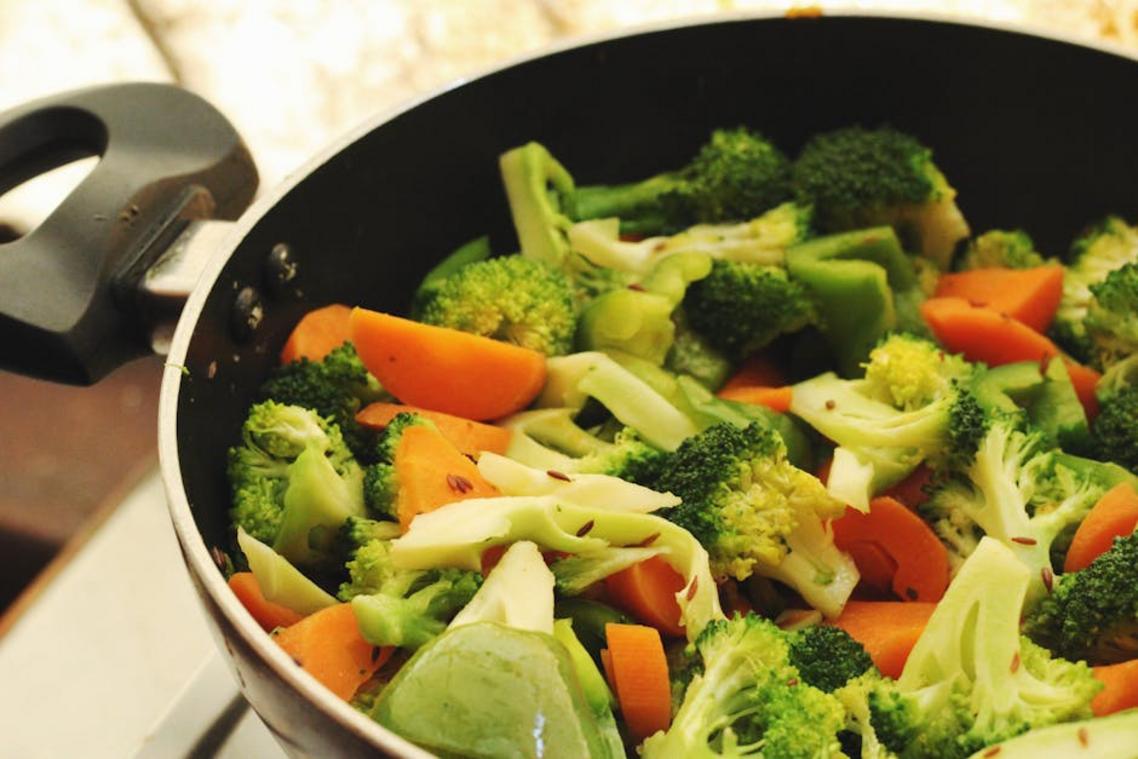
People often use these terms interchangeably, but they’re not the same. A sauté (from the French for “jump”) uses a small amount of fat over medium-high heat to cook food quickly while preserving texture and color. Frying, by contrast, typically involves more oil and longer cooking times. Think lightly blistered green beans versus heavily battered onion rings. One highlights the ingredient; the other transforms it.
The Healthy Sauté Technique
Start with heart-healthy oils like avocado or olive oil. Heat the pan first—this ensures food sears instead of steams (that sad, soggy outcome no one wants). Add aromatics such as garlic, onions, or ginger to build flavor layers before introducing vegetables or protein. This foundation makes simple dishes taste complex.
Global Inspiration: Stir-Frying
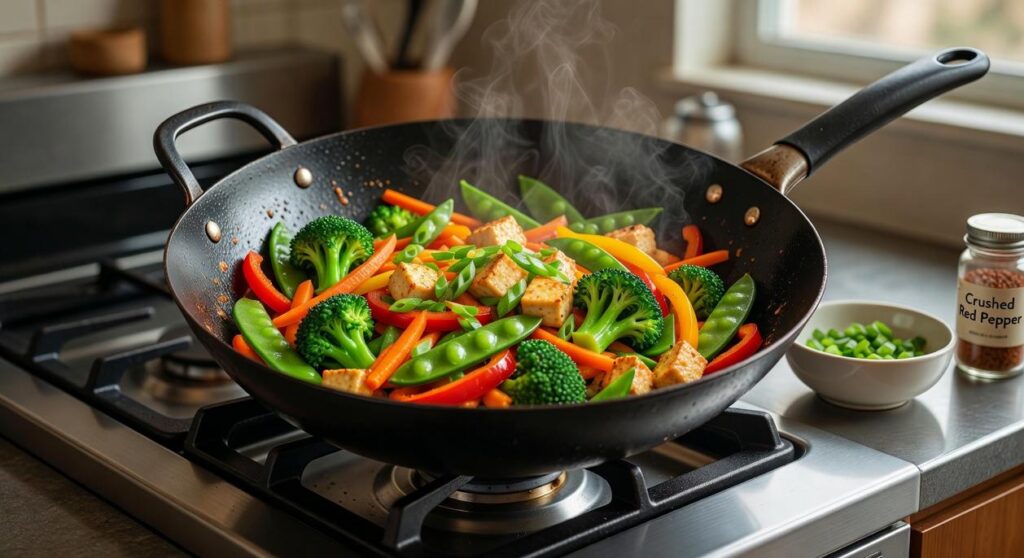
A balanced stir-fry combines lean protein, colorful vegetables, and a light sauce—try low-sodium soy sauce, fresh ginger, garlic, and a touch of honey. Cut ingredients into uniform, bite-sized pieces so they cook quickly and evenly, preserving crispness and nutrients. It’s one of the smartest healthy cooking methods for busy nights—fast, vibrant, and endlessly adaptable (even your inner Iron Chef would approve).
Building a Flavor Pantry: Seasoning Beyond Salt and Fat
If your food tastes flat, the answer usually isn’t more salt—it’s balance. First, consider acidity. Acids like lemon juice, lime juice, and vinegars (acid = a sour ingredient that brightens flavor) sharpen dishes and reduce the perceived need for salt. A squeeze of lemon over roasted vegetables can make them taste instantly livelier. Similarly, a splash of apple cider vinegar in soup works like turning up the contrast on a photo (suddenly everything pops).
Next, build a starter kit of dried herbs and spices. Oregano is earthy and slightly bitter; thyme is woodsy and subtle. Cumin adds warm, nutty depth, while smoked paprika brings gentle heat and a campfire note. Turmeric offers color and mild bitterness. For maximum impact, add fresh herbs at the end of cooking—heat dulls their brightness. Think of them as the confetti on your dish.
To deepen savory flavor, unlock umami (the rich, satisfying taste found in mushrooms, tomatoes, and nutritional yeast). Sautéed mushrooms or tomato paste can create depth without processed ingredients.
For heartful pairings, try lemon and dill with fish, rosemary and garlic for roasted chicken, or cumin and cilantro for beans. Use healthy cooking methods like roasting or steaming to let these flavors shine.
Your path to effortless, nutritious meals starts with a simple shift: flavor first. I used to think healthy meant plain chicken and steamed broccoli (the kind of plate that felt like homework). Then I learned a few core techniques, and everything changed. For example, roasting vegetables at high heat caramelizes their natural sugars, creating crispy edges and deep flavor. Meanwhile, steaming fish with lemon and herbs keeps it tender while preserving nutrients. These healthy cooking methods put you in control of taste and texture. So, start small: choose one technique this week, try it, and notice the difference yourself.
Bring More Heart to Your Kitchen Starting Today
You came here looking for practical ways to make your meals more nourishing, flavorful, and efficient—and now you have the foundation to do exactly that. From smarter ingredient pairings to global flavor inspiration and meal prep efficiency hacks, you’re equipped to turn everyday cooking into something both wholesome and exciting.
The real challenge isn’t knowing what to cook. It’s finding the time, balance, and confidence to do it consistently. By focusing on healthy cooking methods, building strong culinary foundations, and planning ahead, you remove the stress and make nourishing meals your new normal.
Now it’s your move. Start with one recipe, one prep session, or one upgraded ingredient swap this week. If you’re ready to simplify your routine while elevating flavor, explore our proven meal strategies and join the thousands of home cooks already transforming their kitchens with smarter, heart-forward techniques. Your next delicious, feel-good meal starts today.

 There is a specific skill involved in explaining something clearly — one that is completely separate from actually knowing the subject. Robert Venableroso has both. They has spent years working with global flavor inspirations in a hands-on capacity, and an equal amount of time figuring out how to translate that experience into writing that people with different backgrounds can actually absorb and use.
Robert tends to approach complex subjects — Global Flavor Inspirations, Culinary Pulse, Heartful Ingredient Pairings being good examples — by starting with what the reader already knows, then building outward from there rather than dropping them in the deep end. It sounds like a small thing. In practice it makes a significant difference in whether someone finishes the article or abandons it halfway through. They is also good at knowing when to stop — a surprisingly underrated skill. Some writers bury useful information under so many caveats and qualifications that the point disappears. Robert knows where the point is and gets there without too many detours.
The practical effect of all this is that people who read Robert's work tend to come away actually capable of doing something with it. Not just vaguely informed — actually capable. For a writer working in global flavor inspirations, that is probably the best possible outcome, and it's the standard Robert holds they's own work to.
There is a specific skill involved in explaining something clearly — one that is completely separate from actually knowing the subject. Robert Venableroso has both. They has spent years working with global flavor inspirations in a hands-on capacity, and an equal amount of time figuring out how to translate that experience into writing that people with different backgrounds can actually absorb and use.
Robert tends to approach complex subjects — Global Flavor Inspirations, Culinary Pulse, Heartful Ingredient Pairings being good examples — by starting with what the reader already knows, then building outward from there rather than dropping them in the deep end. It sounds like a small thing. In practice it makes a significant difference in whether someone finishes the article or abandons it halfway through. They is also good at knowing when to stop — a surprisingly underrated skill. Some writers bury useful information under so many caveats and qualifications that the point disappears. Robert knows where the point is and gets there without too many detours.
The practical effect of all this is that people who read Robert's work tend to come away actually capable of doing something with it. Not just vaguely informed — actually capable. For a writer working in global flavor inspirations, that is probably the best possible outcome, and it's the standard Robert holds they's own work to.