
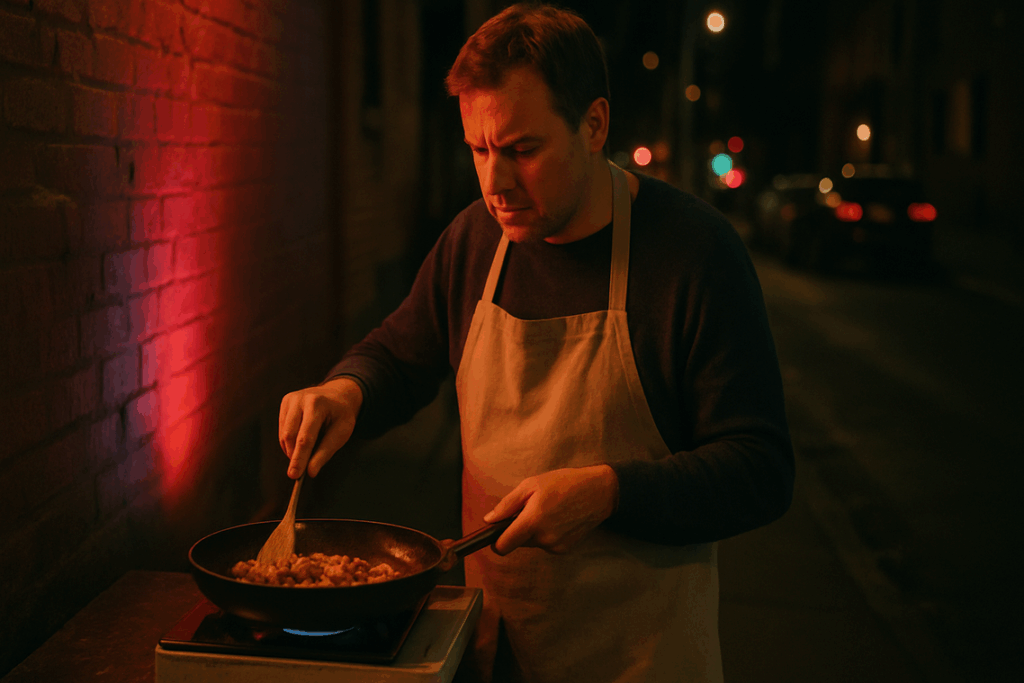
If you’re searching for practical ways to cook meals that are both flavorful and genuinely nourishing, you’re in the right place. This article is designed to help you understand how to build wholesome dishes from the ground up—using smart ingredient pairings, global flavor inspiration, and efficient meal prep strategies that fit into real life.
We focus on what truly matters: preserving nutrients, maximizing taste, and simplifying your time in the kitchen. You’ll learn how to apply nutrient-preserving cooking methods, choose complementary ingredients that enhance both flavor and absorption, and structure your weekly prep for consistency without burnout.
Our guidance is grounded in established nutrition science, culinary best practices, and insights drawn from professional chefs and food researchers. Every recommendation is practical, tested, and aligned with the goal of helping you cook with confidence.
By the end, you’ll have a clear, actionable foundation for creating meals that support your health—without sacrificing depth, variety, or enjoyment.
Unlock Peak Nutrition: Cook Smarter, Not Harder
Many home cooks don’t realize heat, water, and time can drain vitamins like C and B from food (yes, even that gorgeous broccoli). The solution isn’t fancy gear; it’s choosing nutrient-preserving cooking methods safeguard minerals and antioxidants.
Steam vegetables briefly to reduce water loss
Quick-sauté proteins to protect delicate amino acids
Use minimal water when simmering grains
These techniques aren’t culinary trivia—they improve flavor, texture, and nutrient density. When you control temperature and timing, you keep color vibrant, nutrients intact, and meals satisfying. Cook with intention, and bites work harder for your health
The Gentle Power of Water: Mastering Steaming & Poaching
I used to think “healthy cooking” meant bland broccoli and dry chicken. Then one night, staring at a limp, overboiled mess (we’ve all been there), I decided to try steaming instead. The difference was immediate—brighter color, cleaner flavor, and a satisfying bite.
Steaming is a water-based method where food cooks from vapor, not direct contact with water. Because ingredients aren’t submerged, water-soluble nutrients—like Vitamin C and B vitamins—are less likely to leach out (Harvard T.H. Chan School of Public Health notes these vitamins are especially sensitive to heat and water).
Steaming Best Practices
- Best foods: Broccoli, asparagus, leafy greens, fish fillets.
- Technique tip: Keep water at a gentle simmer, not a rolling boil, and avoid overcrowding so steam circulates evenly.
- Nutrient hack: Save the leftover steaming liquid for soups or grains—it contains escaped micronutrients.
On the other hand, poaching cooks food in liquid held just below a simmer (around 160–180°F). This “low-and-slow” approach helps fragile proteins keep their structure.
- Best foods: Eggs, salmon, chicken breasts, pears.
- Flavor inspiration: Add citrus peel, peppercorns, or herbs to the liquid for depth without extra fat.
In short, Use nutrient-preserving cooking methods to protect both flavor and nourishment (your taste buds will notice).
Quick & Controlled Heat: The Art of Sautéing & Stir-Frying

The first time I tried stir-frying, I overcrowded the pan and ended up with something closer to steamed sadness than dinner. Lesson learned: speed and space matter. These techniques rely on quick cooking over controlled, high heat to limit nutrient loss. The less time vitamins are exposed to heat, the better they hold up (yes, your broccoli notices).
The principle is simple: hot pan, short time, constant attention. That’s why sautéing and stir-frying are considered nutrient-preserving cooking methods. Research shows water-soluble vitamins like vitamin C and some B vitamins degrade with prolonged heat exposure (Harvard T.H. Chan School of Public Health).
Sautéing for Success
Use a single layer in a preheated pan with a small amount of avocado or olive oil. Mushrooms, onions, garlic, and thinly sliced lean meats thrive here. When ingredients sizzle on contact, you’re in business.
Stir-Frying for Efficiency
Pro tip: embrace mise en place—everything chopped before heat hits the pan. The constant motion cooks vegetables rapidly, keeping them tender-crisp and vibrant. Color isn’t just pretty; it signals preserved antioxidants.
Better results actually begin at the store. Smart choices start with smart grocery shopping for whole food ingredients. (Fresh snap peas beat limp ones every time.)
Low temperatures, high rewards sounds backward, especially when you’re staring at a tray of pale, soggy vegetables. We’ve all cranked the oven to 450°F hoping for instant caramelization, only to end up with burnt edges and mushy centers. So what’s the fix?
First, understand the dry heat advantage. Roasting and baking surround food with consistent, ambient heat, building deep, rich flavor without drowning it in oil. In fact, research suggests high-temperature cooking above 400°F can increase harmful compounds like acrylamide in starchy foods (FDA). Lowering the heat helps preserve delicate nutrients such as vitamin C (Harvard T.H. Chan School of Public Health).
That’s why root vegetables, Brussels sprouts, cauliflower, and lean proteins shine below 400°F. Toss them lightly in heart-healthy olive oil and herbs; meanwhile, give them space on the pan so they roast, not steam. Use nutrient-preserving cooking methods to protect both texture and taste.
Then, consider baking beyond desserts. Cooking fish en papillote—sealed in parchment—traps moisture in its own juices, locking in flavor with zero added fat. It’s efficient, clean, and quietly impressive (yes, dinner-party worthy). Pro tip: preheat thoroughly; steady heat beats rushed results every time.
Patience truly transforms simple ingredients into memorable meals at home.
Methods to Moderate: Boiling and Grilling
Boiling is often praised as the “clean eating” classic. No oil, no fuss, just water and heat. But here’s the catch: it’s one of the most aggressive techniques for nutrient loss. Water-soluble vitamins like vitamin C and several B vitamins leach into the cooking liquid, especially during long cook times (Harvard T.H. Chan School of Public Health). If that water goes down the drain, so do valuable micronutrients.
That said, some argue boiling makes vegetables easier to digest and safer to consume. True. However, the advantage doesn’t require overboiling. Instead, use the smallest amount of water possible and bring it to a rapid boil before adding vegetables to shorten exposure. Even better, never discard the liquid. Think of it as a light vegetable broth—ideal for soups, stews, or cooking quinoa (a quiet efficiency win).
Grilling presents a different dilemma. High heat and charring can form HCAs (heterocyclic amines) and PAHs (polycyclic aromatic hydrocarbons), compounds linked to increased cancer risk when consumed frequently (National Cancer Institute). Still, grilling delivers unmatched flavor—those smoky notes are hard to replicate (yes, even your air fryer tries).
The smarter path? Marinate meats in herb-forward blends to reduce HCA formation, control flare-ups, flip frequently, and trim charred bits. Use nutrient-preserving cooking methods strategically—because moderation beats elimination every time.
Your kitchen is no longer a battleground between taste and health; it is your new foundation. You now understand how nutrient-preserving cooking methods protect vitamins, texture, and flavor. Contrary to popular belief, healthy cooking does not mean bland steamed plates or endless salads. Overboiling vegetables until gray is not tradition; it is habit. Mindful roasting, quick stir-fries, and proper steaming put you in control. This week, choose one technique and practice it deliberately.
• Master your greens.
• Perfect a fast stir-fry.
Small shifts compound into lifelong, delicious resilience. That is real wellness. Simple. Repeatable. Powerful. And deeply satisfying. For life long.
Bring More Heart to Every Meal
You came here looking for practical ways to cook healthier, more flavorful meals without sacrificing time or joy in the kitchen. Now you have the tools to do exactly that—from smarter ingredient pairings to nutrient-preserving cooking methods that protect what makes your food truly nourishing.
The real pain point isn’t just figuring out what to cook. It’s feeling overwhelmed, rushed, and unsure whether your meals are actually supporting your well-being. When cooking feels complicated, consistency disappears.
Here’s the truth: wholesome, vibrant meals don’t require complicated techniques—just intentional choices and efficient systems.
Start with one small shift this week. Plan two balanced meals, focus on fresh ingredients, and apply one new efficiency hack you’ve learned. Then build from there.
If you’re ready to make healthy cooking simpler, more flavorful, and sustainable, explore our proven meal strategies and flavor frameworks today. Join thousands of home cooks who’ve transformed their kitchens with practical, heart-centered guidance. Start now and turn every meal into momentum.

 There is a specific skill involved in explaining something clearly — one that is completely separate from actually knowing the subject. Robert Venableroso has both. They has spent years working with global flavor inspirations in a hands-on capacity, and an equal amount of time figuring out how to translate that experience into writing that people with different backgrounds can actually absorb and use.
Robert tends to approach complex subjects — Global Flavor Inspirations, Culinary Pulse, Heartful Ingredient Pairings being good examples — by starting with what the reader already knows, then building outward from there rather than dropping them in the deep end. It sounds like a small thing. In practice it makes a significant difference in whether someone finishes the article or abandons it halfway through. They is also good at knowing when to stop — a surprisingly underrated skill. Some writers bury useful information under so many caveats and qualifications that the point disappears. Robert knows where the point is and gets there without too many detours.
The practical effect of all this is that people who read Robert's work tend to come away actually capable of doing something with it. Not just vaguely informed — actually capable. For a writer working in global flavor inspirations, that is probably the best possible outcome, and it's the standard Robert holds they's own work to.
There is a specific skill involved in explaining something clearly — one that is completely separate from actually knowing the subject. Robert Venableroso has both. They has spent years working with global flavor inspirations in a hands-on capacity, and an equal amount of time figuring out how to translate that experience into writing that people with different backgrounds can actually absorb and use.
Robert tends to approach complex subjects — Global Flavor Inspirations, Culinary Pulse, Heartful Ingredient Pairings being good examples — by starting with what the reader already knows, then building outward from there rather than dropping them in the deep end. It sounds like a small thing. In practice it makes a significant difference in whether someone finishes the article or abandons it halfway through. They is also good at knowing when to stop — a surprisingly underrated skill. Some writers bury useful information under so many caveats and qualifications that the point disappears. Robert knows where the point is and gets there without too many detours.
The practical effect of all this is that people who read Robert's work tend to come away actually capable of doing something with it. Not just vaguely informed — actually capable. For a writer working in global flavor inspirations, that is probably the best possible outcome, and it's the standard Robert holds they's own work to.