
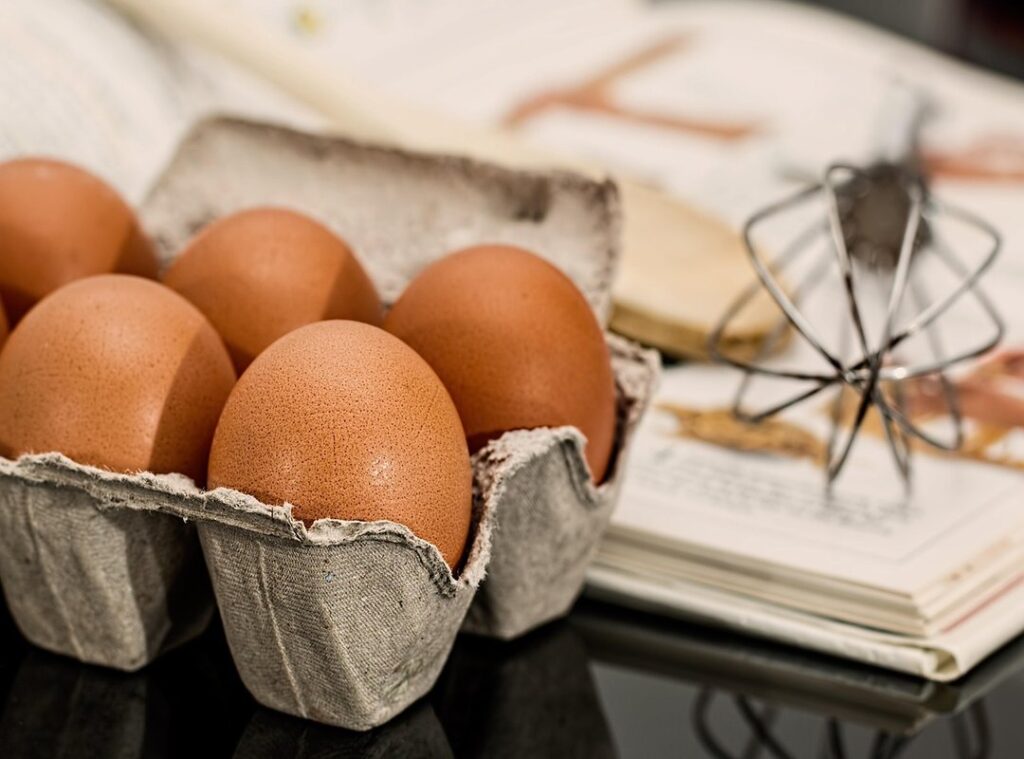
Food isn’t just about eating; it’s about passion and discovery. Are you tired of the same old pasta and burgers? I’m diving into the latest food trends right here, right now.
Let’s cut through the noise and get to the good stuff. Ever wondered what the culinary world is buzzing about? I’ve been around the block, tasted the flavors, and seen the shifts.
You want the real deal, not another fluffy piece about kale and quinoa.
Why should you trust me? I’ve consulted with chefs who live and breathe food. They know their stuff (and aren’t afraid to share).
This isn’t just about following trends. It’s about understanding why they matter and how they make our meals more exciting.
You’ll get takeaways into flavors that surprise and ingredients that inspire. Stick around, and we’ll explore how these trends can shake up your home cooking. Ready to spice up your kitchen game?
Let’s get started.
Beyond Meat: The New Era of Plant-Forward Eating
Plant-forward is where it’s at. We’re not talking about going full veggie, but about celebrating vegetables. Imagine mushrooms in your tacos or bolognese.
Their earthy, savory flavor (umami, if you want to get fancy) can really hit the spot.
Take cauliflower. Have you ever tried a whole roasted one? It’s a game-changer.
The texture is surprisingly meaty, and that nutty aroma. Wow. It makes a statement on the table, no meat required.
Now let’s talk legumes. They’re stepping up in a big way. Black beluga lentils and fava beans aren’t just filler.
They bring a hearty texture that makes any salad or stew feel complete. They’re not just a sidekick anymore.
Why the change? It’s all about balance. People are realizing that vegetables aren’t just healthy (they) can be downright delicious.
And let’s face it, who doesn’t love a good trend? Speaking of which, if you’re diving into these latest food trends, you’re going to want the right tools in your kitchen. Check out this guide to learn more.
Does this mean we’re ditching meat entirely? Not at all. It’s about options.
You can still enjoy a good steak, but now vegetables are stars too. It’s a shift in perspective.
So, next time you’re planning a meal, think beyond meat. Try making a mushroom taco or a lentil stew. You might be surprised.
Embrace the change. Who knows? You might even start a new tradition in your own kitchen.
Global Spice Rack: Flavor Adventures Await
Have you noticed how home cooks are diving into the latest food trends with gusto? It’s not about mastering every international dish. It’s about sprinkling a bit of magic from around the world onto your everyday meals.
Take za’atar, for example. This Middle Eastern blend is tangy, herbal, and just a little nutty. It’s like a flavor explosion on your tongue.
I love tossing it on roasted vegetables or just dusting it over eggs. You can even mix it with olive oil and dip flatbread into it. Simple, right?
Then there’s gochujang from Korea. It’s got this sweet, savory, spicy vibe going on. And the texture?
Paste-like, but in a good way. It’s perfect for marinades. Or soups.
Heck, mix it with some mayo and you’ve got yourself a spicy dip that’s out of this world. These aren’t just spices. They’re a way to add a heartful layer of flavor to your usual dishes.
No need to fly across the globe. Just open your spice cabinet. What’s fascinating is how these flavors turn ordinary into extraordinary.
It’s like adding a new lens to your cooking, making it richer and more colorful.
If you’re curious about where the culinary world is heading next, check out 12 food trends to watch in. It’s packed with ideas. But remember, you don’t have to follow every trend.
Pick what excites you.
Try something new. Feel the warmth of za’atar or the kick of gochujang. Your taste buds will thank you.
Who knew a little jar of spice could do so much? It’s a small step into a big world of flavors.
Comfort Food, Reimagined: Nostalgia with a Wholesome Heart
Comfort food is like wrapping yourself in a warm blanket. We all have our favorites. But here’s what’s happening now: it’s not about replacing those classics, it’s about elevating them.
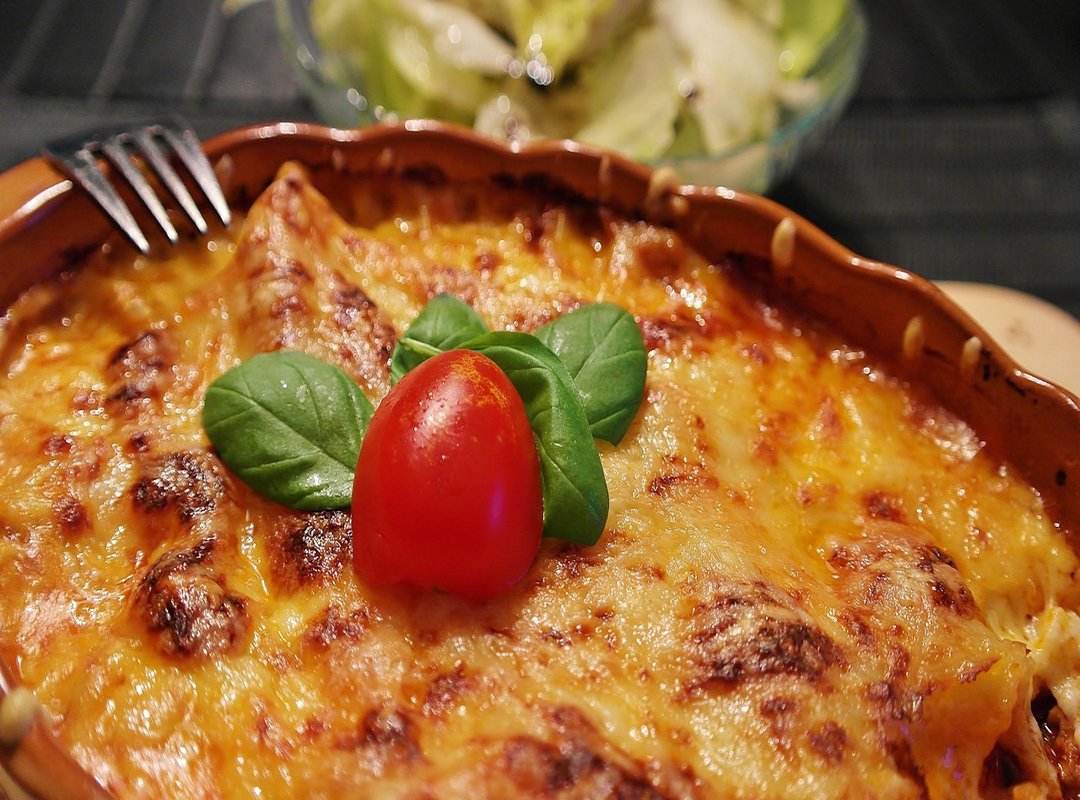
Adding more wholesome ingredients while keeping that nostalgia intact. You ever tried mac and cheese with butternut squash or sweet potato in the sauce? It’s magic.
The sauce turns velvety, with a touch of sweetness and color that’s a feast for the senses. Plus, it sneaks some nutrients in there. Not that anyone’s complaining, right?
Let’s talk about baking, too. The latest food trends are turning the sweet world upside down. It’s not just white sugar and flour anymore.
Think about swapping refined sugar for maple syrup or dates. Whole-wheat or spelt flour instead of the usual stuff. You end up with cookies and cakes that have this deep, nutty flavor.
Richer. It’s like they’ve got a story to tell. It’s not just a taste upgrade.
It’s fuel for your body, making you feel as good as it tastes.
It’s about approaching food with a wholesome heart. It’s a delicious nod to the Future Of Sustainable Eating. A path we’re paving with each bite.
These changes aren’t just tweaks. They’re part of this movement toward heartful ingredient pairings. Pairings that make you feel good from the inside out (and maybe a little smug at the same time).
So, the next time you’re making your classic favorites, think about what you can add. Not just to the recipe but to your experience, too. Don’t we all want food that does more than just taste good?
This is just the beginning.
The Art of the Sip: Mindful Beverages Take Center Stage
Drinks are having a moment. We’re shifting focus from food to what fills our cups, and it’s about time. The latest food trends aren’t just about what we eat anymore.
It’s about what we drink too. Ever caught yourself savoring a well-crafted beverage? It’s as much an experience as a meal.
Non-alcoholic options are getting a serious upgrade. Gone are the days when soda was the only choice for those skipping booze. Now, we’ve got drinks with complex flavors.
Think botanicals, herbs, and fruit infusions. It’s like having a garden in your glass. Have you ever tasted a drink that makes you say, “Wow”?
If not, you’re missing out.
At home, there’s a coffee and tea revolution. Specialty coffee and artisanal tea aren’t just about caffeine. It’s the ritual.
The aroma of a pour-over coffee, the delicate taste of a single-origin tea (these) are pleasures to savor. The warmth of the mug, the steam rising. It’s a sensory delight.
Why rush through life when you can pause to enjoy a mindful sip? This isn’t just a trend, it’s a form of self-care. Taking a moment with your beverage is grounding.
It’s a simple way to enjoy life’s little luxuries. So next time you pour yourself a cup, take a moment. Feel the warmth, inhale the aroma, and truly savor the sip.
Savor What’s Next in Your Kitchen
Keeping up with latest food trends doesn’t need to be a chore. It’s all about flavor, wholesome ingredients, and enjoying your meals with intention. You’ve got the tools now.
Simple, actionable ideas to try at home. So why not dive in? Pick one trend that caught your eye.
Cook it, taste it, live it. Feel the textures, the aromas, the flavors coming together. That’s the magic.
Don’t just read about it. Experience it. Your kitchen is the perfect place to start this culinary adventure.
Ready to taste something new? Go ahead, try it this week, and savor every moment.

 There is a specific skill involved in explaining something clearly — one that is completely separate from actually knowing the subject. Robert Venableroso has both. They has spent years working with global flavor inspirations in a hands-on capacity, and an equal amount of time figuring out how to translate that experience into writing that people with different backgrounds can actually absorb and use.
Robert tends to approach complex subjects — Global Flavor Inspirations, Culinary Pulse, Heartful Ingredient Pairings being good examples — by starting with what the reader already knows, then building outward from there rather than dropping them in the deep end. It sounds like a small thing. In practice it makes a significant difference in whether someone finishes the article or abandons it halfway through. They is also good at knowing when to stop — a surprisingly underrated skill. Some writers bury useful information under so many caveats and qualifications that the point disappears. Robert knows where the point is and gets there without too many detours.
The practical effect of all this is that people who read Robert's work tend to come away actually capable of doing something with it. Not just vaguely informed — actually capable. For a writer working in global flavor inspirations, that is probably the best possible outcome, and it's the standard Robert holds they's own work to.
There is a specific skill involved in explaining something clearly — one that is completely separate from actually knowing the subject. Robert Venableroso has both. They has spent years working with global flavor inspirations in a hands-on capacity, and an equal amount of time figuring out how to translate that experience into writing that people with different backgrounds can actually absorb and use.
Robert tends to approach complex subjects — Global Flavor Inspirations, Culinary Pulse, Heartful Ingredient Pairings being good examples — by starting with what the reader already knows, then building outward from there rather than dropping them in the deep end. It sounds like a small thing. In practice it makes a significant difference in whether someone finishes the article or abandons it halfway through. They is also good at knowing when to stop — a surprisingly underrated skill. Some writers bury useful information under so many caveats and qualifications that the point disappears. Robert knows where the point is and gets there without too many detours.
The practical effect of all this is that people who read Robert's work tend to come away actually capable of doing something with it. Not just vaguely informed — actually capable. For a writer working in global flavor inspirations, that is probably the best possible outcome, and it's the standard Robert holds they's own work to.