

If you’re tired of staring into the fridge at 6 p.m. wondering what to cook, you’re not alone. The daily scramble to decide what to eat often leads to expensive takeout, skipped meals, or choices that leave you feeling sluggish. This guide is your practical path to stress-free, healthy eating—without bland diets or complicated rules. You’ll learn a simple, repeatable system for balanced meal planning that makes shopping easier, cooking faster, and meals more satisfying. By the end, you’ll have a clear framework that fits your busy lifestyle and helps you reclaim your week with confidence.
The Foundations of a Wholesome Plate
“Do I really need to think about every nutrient?” a client once asked me.
“Not every gram,” I replied, “but you do need to understand the basics.”
Understanding Macronutrients
Macronutrients are the nutrients your body needs in large amounts: protein, carbohydrates, and fats. Protein supports muscle repair and immune function. Carbohydrates are your body’s primary energy source (yes, even if carbs have a bad reputation). Fats help absorb vitamins and support brain health. According to the Dietary Guidelines for Americans, balanced intake of all three supports long-term health.
Some argue low-carb or ultra-low-fat diets are superior. “Carbs are the enemy,” one skeptic told me. Yet research from Harvard T.H. Chan School of Public Health shows quality and proportion matter more than elimination. Think whole grains over refined flour; olive oil over trans fats.
The Power of Micronutrients
Micronutrients—vitamins and minerals—are needed in smaller amounts but are just as vital. “Eat the rainbow,” a nutritionist once said, pointing to bell peppers, spinach, and blueberries. Different colors signal different nutrients, from vitamin C to potassium.
Building Your Plate
Picture the “Perfect Plate”: 1/2 vegetables, 1/4 lean protein, 1/4 complex carbs. It’s a simple visual for balanced meal planning (no calculator required).
And don’t forget hydration. “If you’re tired, drink water first,” a coach advised. Water regulates temperature, digestion, and energy. Planning it daily isn’t optional—it’s foundational.
For more depth, explore the science behind healthy cooking methods.
The 5-Step Meal Prep Efficiency Blueprint
Think of this as your Avengers-level assembly plan for the week—everyone has a role, nothing goes rogue.
Step 1: The Weekly Audit & Goal Setting. Review your calendar, note late meetings or gym days, and pick a realistic cook day. This is balanced meal planning in action: aligning food with life, not fantasy. If Thursday looks like a “Survivor” episode, plan leftovers.
Step 2: Recipe Curation. Choose 2–3 breakfasts, lunches, and dinners that share core ingredients. Roasted sweet potatoes can star in tacos, grain bowls, and omelets. Fewer ingredients, less waste, more flavor synergy (your fridge will thank you).
Step 3: The Strategic Grocery List. Organize by:
- Produce
- Protein
- Pantry
Shopping by section trims time and impulse buys—no wandering like you’re in an IKEA maze.
Step 4: The ‘Batch & Prep’ Session. Block 2–3 hours. Wash and chop vegetables, cook grains, marinate proteins, portion snacks. Play your hype playlist and move with purpose. Pro tip: line sheet pans with parchment for faster cleanup.
Step 5: Smart Assembly & Storage. Cool foods before sealing, store sauces separately, and label containers with dates. Glass containers preserve freshness and prevent mystery-meal syndrome. Assemble grab-and-go meals the night before to keep textures crisp.
Some argue meal prep kills spontaneity. Fair—but structure actually creates freedom. When staples are ready, you can riff globally with spices and sauces, turning basics into something Netflix-binge worthy.
Consistency beats chaos, every single delicious, well-fueled time. Trust the process each week.
Beyond Chicken and Broccoli: Infusing Flavor and Joy
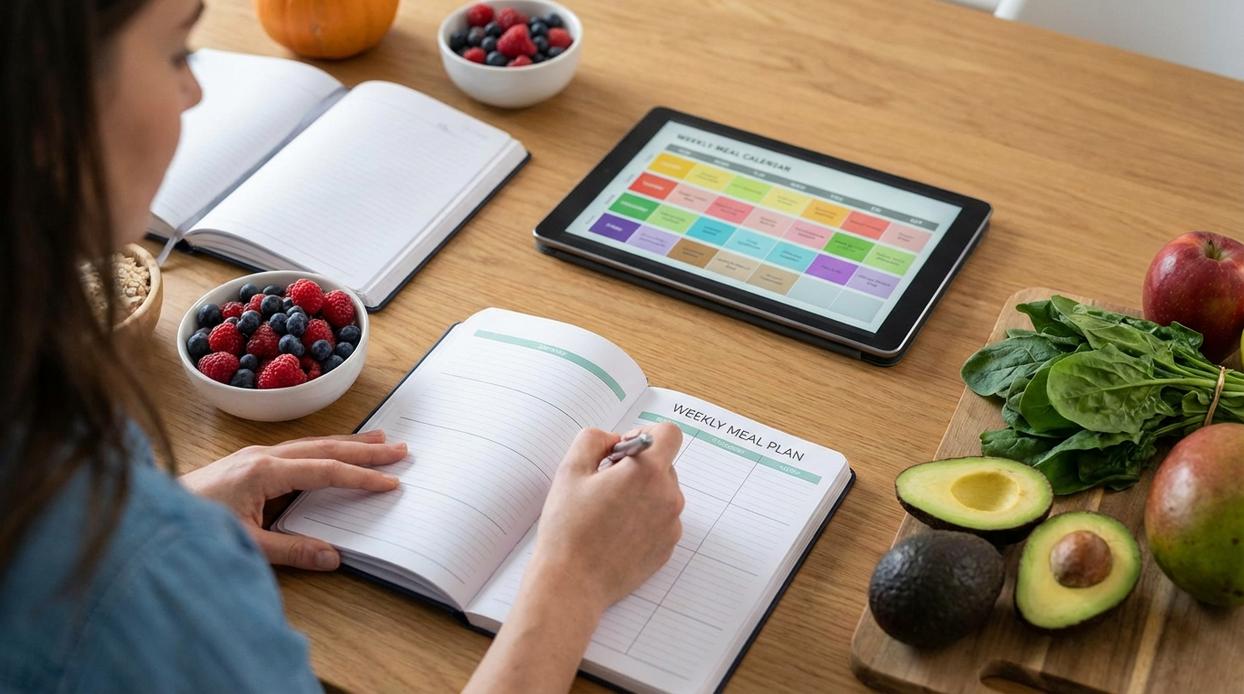
Let’s be honest: plain chicken and steamed broccoli might be efficient, but it’s also a fast track to FOOD BOREDOM. I believe healthy eating should taste like you actually care about it.
Global Flavor Inspirations
A simple spice blend can teleport your plate. Italian means oregano, basil, garlic (suddenly your zucchini tastes like Sunday dinner). Mexican leans on cumin, chili powder, and lime. Indian-inspired dishes bloom with turmeric, coriander, and garam masala. Research shows spices like turmeric contain curcumin, linked to anti-inflammatory benefits (Harvard Health). You don’t need complicated recipes—just smarter seasoning. PRO TIP: Toast spices in a dry pan for 30 seconds to wake them up.
Heartful Ingredient Pairings
Texture is everything. Crunchy nuts over creamy yogurt. Sweet roasted carrots over savory farro. That contrast keeps your brain engaged (and your fork moving). Some argue simple meals reduce decision fatigue. I disagree—variety within structure makes balanced meal planning sustainable.
The Magic of Sauces and Dressings
A basic vinaigrette—olive oil, vinegar, Dijon—can rescue anything. Yogurt, lemon, and tahini? Instant sauce. Homemade dressings cut added sugars common in store versions (CDC).
Using Fresh Herbs
Fresh herbs are CHEAP flavor bombs. Toss parsley, cilantro, or dill on just before serving. It’s the difference between “meal prep” and “I meant to make this.” For more inspiration, explore this guide.
Practical Hacks for a Streamlined Kitchen
“Cook once, eat twice,” my neighbor told me, holding up a roast chicken like it was a trophy. Day one: roasted with vegetables. Day two: shredded into chicken salad with mustard and herbs. This approach—repurposing leftovers into new meals—cuts waste and time (and feels a little like kitchen wizardry).
Master your freezer like it’s a SAVE button. Soups, stews, cooked grains, and sauces freeze beautifully. Fried foods and cream-heavy dishes? Not so much—they separate or turn soggy. According to the USDA, most frozen leftovers keep quality for 2–3 months when sealed properly.
Essential tools make PREP faster:
- Stackable glass containers
- Rimmed sheet pans
- A sharp chef’s knife
Build a “flavor pantry” with olive oil, vinegars, spices, and broth. “Good ingredients do the heavy lifting,” a chef once told me. That’s the backbone of balanced meal planning—and yes, it beats takeout (most nights). Pro tip: label everything.
Your Path to Effortless, Nourishing Meals
You came here looking for a simpler way to eat well without the overwhelm—and now you have a clear, practical roadmap to make it happen. No more last-minute scramble or daily “what’s for dinner?” stress. With a little preparation and a focus on balanced meal planning, your kitchen can become a space of ease, not chaos.
Remember, this isn’t about perfection. It’s about building consistency so healthy choices feel automatic and enjoyable.
Start small today: plan just one meal—like your lunches—for the week ahead. Take that first step now and turn mealtime stress into a streamlined, nourishing routine you can rely on.

 There is a specific skill involved in explaining something clearly — one that is completely separate from actually knowing the subject. Robert Venableroso has both. They has spent years working with global flavor inspirations in a hands-on capacity, and an equal amount of time figuring out how to translate that experience into writing that people with different backgrounds can actually absorb and use.
Robert tends to approach complex subjects — Global Flavor Inspirations, Culinary Pulse, Heartful Ingredient Pairings being good examples — by starting with what the reader already knows, then building outward from there rather than dropping them in the deep end. It sounds like a small thing. In practice it makes a significant difference in whether someone finishes the article or abandons it halfway through. They is also good at knowing when to stop — a surprisingly underrated skill. Some writers bury useful information under so many caveats and qualifications that the point disappears. Robert knows where the point is and gets there without too many detours.
The practical effect of all this is that people who read Robert's work tend to come away actually capable of doing something with it. Not just vaguely informed — actually capable. For a writer working in global flavor inspirations, that is probably the best possible outcome, and it's the standard Robert holds they's own work to.
There is a specific skill involved in explaining something clearly — one that is completely separate from actually knowing the subject. Robert Venableroso has both. They has spent years working with global flavor inspirations in a hands-on capacity, and an equal amount of time figuring out how to translate that experience into writing that people with different backgrounds can actually absorb and use.
Robert tends to approach complex subjects — Global Flavor Inspirations, Culinary Pulse, Heartful Ingredient Pairings being good examples — by starting with what the reader already knows, then building outward from there rather than dropping them in the deep end. It sounds like a small thing. In practice it makes a significant difference in whether someone finishes the article or abandons it halfway through. They is also good at knowing when to stop — a surprisingly underrated skill. Some writers bury useful information under so many caveats and qualifications that the point disappears. Robert knows where the point is and gets there without too many detours.
The practical effect of all this is that people who read Robert's work tend to come away actually capable of doing something with it. Not just vaguely informed — actually capable. For a writer working in global flavor inspirations, that is probably the best possible outcome, and it's the standard Robert holds they's own work to.