
You’re staring at that sad bunch of wilted herbs in the fridge, aren’t you? Happens to all of us. The guilt of wasting food gnaws at me too (and I love cooking).
Let’s be real: minimizing food waste isn’t just a chore. It’s a chance to get creative in the kitchen.
I used to toss leftovers without a second thought. But I’ve learned to honor every ingredient from root to leaf. It’s amazing how using the whole carrot (not) just the orange part.
Can raise a dish.
Imagine turning waste into a new favorite recipe. That’s what we’re doing here. With simple, sensory-based strategies, we’ll tackle food waste reduction together.
Expect to open up flavors and deepen your connection to food. Ready to transform those forgotten veggies into something delicious?
The Mindful Kitchen Mindset: It Starts with Your Senses
Reducing food waste isn’t just about following strict rules. It’s more about building a new relationship with food. I call it the “kitchen pulse.” It’s about being in tune with what you have, what you need, and what’s ready to be used.
Does it sound a bit abstract? Maybe. But it’s solid.
Take a moment next time you’re in the kitchen. Breathe in the aromas from your spice drawer. Feel the textures in your pantry.
Notice the colors in your fridge. These small sensory check-ins can change the way you see your ingredients. They build a sense of respect, a desire not to toss food away.
Before you cook, here’s a simple mindfulness exercise: take 30 seconds to appreciate one ingredient. Its color, smell, and feel. It sounds trivial, yet it grounds you, makes you aware.
We’ve all thrown away that forgotten cucumber, right? But with this mindset, that happens less often. You start to think of Fermentation Modern Cooking Role as not just a practice but a necessity.
So, food waste reduction isn’t a chore. It’s an awakening of the senses. Try it.
You’ll see food, and your kitchen, differently.
Shop with Heart: Abundance Without Excess
Shopping feels like a chore, doesn’t it? But what if we flipped it? It’s the first step in creating something delicious.
Before you grab your keys, take a peek in your kitchen. Check the fridge, freezer, pantry. What needs eating first?
This “Shop Your Kitchen First” method is a game-changer. It’s simple, but it’s about food waste reduction. How much food do we throw because we didn’t plan right?
Now, for lists. Forget specific meals. Go for versatile “ingredient families.” Think “root vegetables” or “hearty grains.” Mix, match, and get creative.
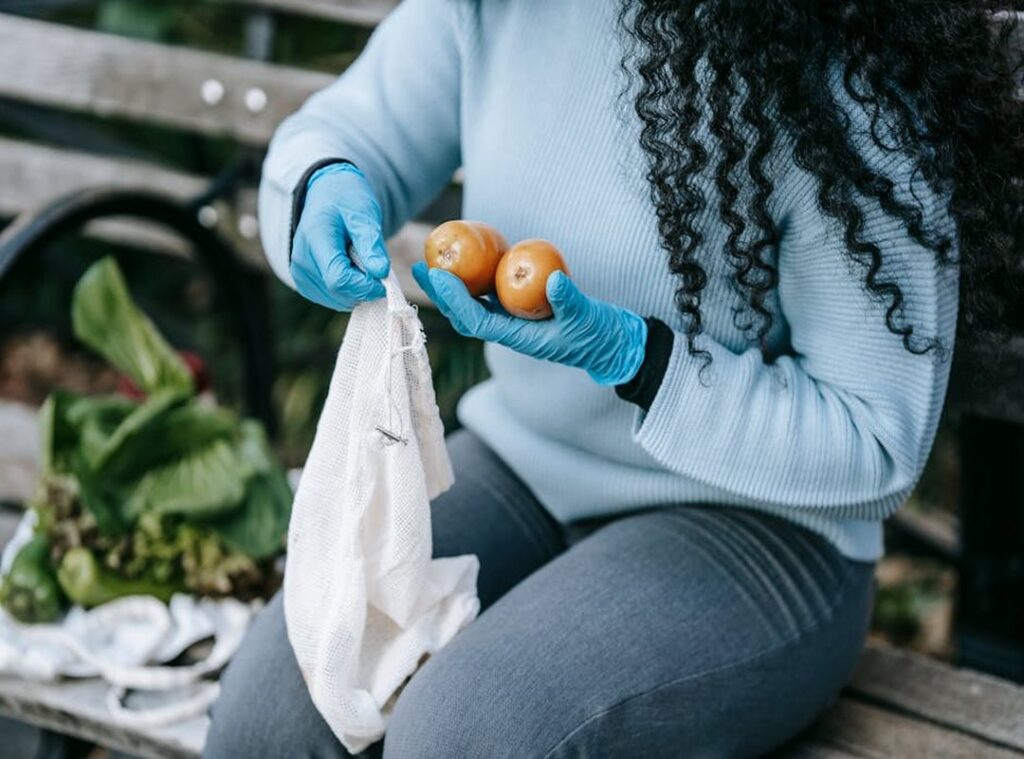
And hey, buy loose produce. There’s something satisfying about picking the perfect, firm tomato (or maybe that’s just me).
Best by? Use by? Confusing, right?
Trust your senses. Smell it. Look at it.
Use it before it goes bad. We’ve been trained to rely on dates, but your senses know better. This tip alone can save money and reduce waste.
Want a real-world nudge? Check out the EPA’s guide on preventing wasted food home. It’s an eye-opener.
A little awareness goes a long way. Let’s rethink how we shop.
Food shopping with heart is not just about saving money. It’s about making smarter, tastier choices that satisfy the soul. I bet you’ll find it enriching.
So, are you ready to shop with intention and reduce food waste? Let’s make our kitchens a place of abundance, not excess.
Creative Storage: Keeping Ingredients Lively and Fresh
Think of proper storage as giving your ingredients a comfortable home. A place where they can stay their best, just like you do when you’re lounging in your favorite chair. Food waste reduction isn’t just a buzzword; it’s a reality we face every day when we toss out wilted greens or moldy fruits.
So let’s cut to the chase and make it simple.
Herbs should be handled like a bouquet of flowers. You know that fresh, green scent that hits you when you walk past a garden? Keep them in a jar of water and you preserve that scent for days.
It’s magic in a jar, really.
Leafy greens are a different beast. Wash them, dry them, then wrap them in a towel. Trust me, the sound of a crisp leaf snapping is pure satisfaction compared to the limp, sad flop of neglected greens.
No one wants that.
Root vegetables enjoy the cool, dark ambiance. Imagine the earthy smell of well-stored potatoes or carrots. It’s like the scent of a garden after rain.
Keep them in these conditions and they’ll thank you by staying fresh.
Here’s a fun fact: some fruits give off ethylene gas, which can make other fruits ripen faster. Bananas and apples are the culprits here. Try using a ‘ripening bowl’ on the counter for the ones you plan to eat soon.
Keep the rest in the fridge to slow things down.
For more on how these tips tie into the science behind cooking flavor, dive deeper into the topic. Understanding these basics can transform how we approach cooking and ingredient care. It’s not just about saving money; it’s about treating your food with respect.
Do this, and watch your kitchen become a haven of freshness.
The Art of ‘Use-It-Up’ Cooking: Turning Scraps into Stars
Why waste when you can create? I’ve found a way to make culinary magic with what most people toss. Imagine this: you open your fridge and see a bunch of onion peels, carrot ends, and herb stems.
Most folks would chuck them, but not me. I see flavor foundations. I toss them into a pot, let them simmer, and the aroma?
It’s heavenly. It’s like the kitchen is giving you a hug.
But let’s dive deeper. Those wilted greens you’re about to throw out? Hold up.
They can become a lively pesto or a silky addition to your favorite soup. The taste? Bright, garlicky, and surprisingly fresh.
Food waste reduction starts right here in your kitchen with a little creativity.
Now, about that stale bread. Don’t chuck it. Transform it.
Citrus peels are another gem. You can make citrus-infused oils, sugars, or even cleaning vinegars. The zesty, clean aroma fills your kitchen with energy.
Picture crunching on golden-brown croutons or savoring the smell of baking bread when you make a comforting bread pudding. It’s the scent of warmth and nostalgia. Plus, it makes you feel like a culinary genius.
It’s like a citrusy wake-up call for your senses.
And broccoli stems? They’re not just for the compost. Shave them into a crisp, refreshing slaw or blend them into a creamy soup.
The crunch is so satisfying, it’s like a secret ingredient that was hiding in plain sight.
So, what do you think? Are you ready to turn your scraps into stars? It’s all about seeing potential where others see waste.
With a little imagination, we can reduce food waste and create something delicious. It’s about making the most of what we have and letting our creativity shine.
Rediscover Your Kitchen’s Potential
Remember when wasted food felt like a punch to your gut? Now, it’s a spark for creativity. Food waste reduction isn’t about giving up; it’s about exploring flavors and possibilities. This journey is delicious, not daunting.
Your kitchen becomes a space of sensory delight, where sights, smells, and tastes align with a planet-friendly ethos.
So, why not start today? Pick one tip from the article and try it this week. Notice how it transforms your cooking experience.
You’ll see the magic firsthand. Ready to embrace change? Dive in, feel the empowerment, and savor every bite.

 There is a specific skill involved in explaining something clearly — one that is completely separate from actually knowing the subject. Robert Venableroso has both. They has spent years working with global flavor inspirations in a hands-on capacity, and an equal amount of time figuring out how to translate that experience into writing that people with different backgrounds can actually absorb and use.
Robert tends to approach complex subjects — Global Flavor Inspirations, Culinary Pulse, Heartful Ingredient Pairings being good examples — by starting with what the reader already knows, then building outward from there rather than dropping them in the deep end. It sounds like a small thing. In practice it makes a significant difference in whether someone finishes the article or abandons it halfway through. They is also good at knowing when to stop — a surprisingly underrated skill. Some writers bury useful information under so many caveats and qualifications that the point disappears. Robert knows where the point is and gets there without too many detours.
The practical effect of all this is that people who read Robert's work tend to come away actually capable of doing something with it. Not just vaguely informed — actually capable. For a writer working in global flavor inspirations, that is probably the best possible outcome, and it's the standard Robert holds they's own work to.
There is a specific skill involved in explaining something clearly — one that is completely separate from actually knowing the subject. Robert Venableroso has both. They has spent years working with global flavor inspirations in a hands-on capacity, and an equal amount of time figuring out how to translate that experience into writing that people with different backgrounds can actually absorb and use.
Robert tends to approach complex subjects — Global Flavor Inspirations, Culinary Pulse, Heartful Ingredient Pairings being good examples — by starting with what the reader already knows, then building outward from there rather than dropping them in the deep end. It sounds like a small thing. In practice it makes a significant difference in whether someone finishes the article or abandons it halfway through. They is also good at knowing when to stop — a surprisingly underrated skill. Some writers bury useful information under so many caveats and qualifications that the point disappears. Robert knows where the point is and gets there without too many detours.
The practical effect of all this is that people who read Robert's work tend to come away actually capable of doing something with it. Not just vaguely informed — actually capable. For a writer working in global flavor inspirations, that is probably the best possible outcome, and it's the standard Robert holds they's own work to.