
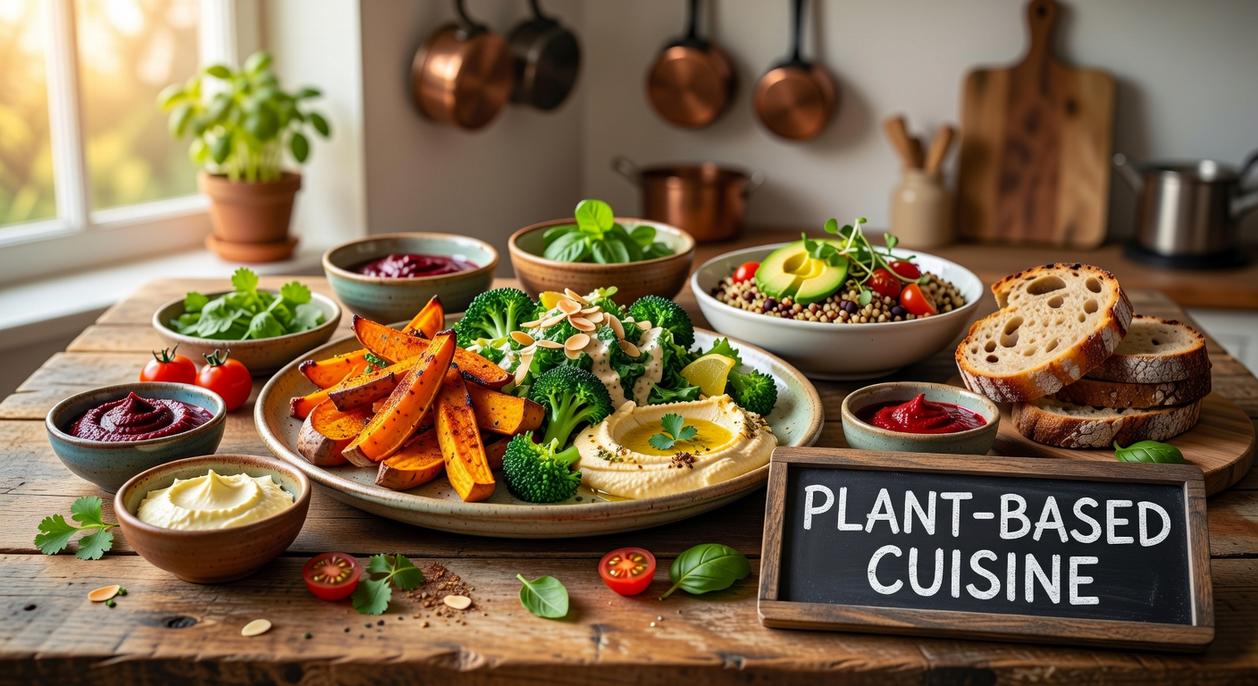
If you’re looking to cook in a way that feels nourishing, flavorful, and sustainable, this guide to plant-forward cooking is designed with you in mind. Whether you want to add more vegetables to your meals, explore global flavor inspirations, or build wholesome foundations that make everyday cooking easier, you’ll find practical, achievable strategies here.
Many home cooks struggle to balance taste, nutrition, and efficiency. It’s easy to fall into repetitive meals or rely on overly complicated recipes. This article simplifies the process by breaking down heartful ingredient pairings, smart meal prep efficiency hacks, and culinary pulse insights that help you create vibrant dishes without overwhelm.
The approach shared here is grounded in tested cooking methods, thoughtful flavor combinations, and a deep understanding of how ingredients work together. By the end, you’ll have clear, actionable ideas to build satisfying, plant-forward meals that fit seamlessly into your routine.
Plants Take the Lead
Putting plants at the center of your plate isn’t about restriction; it’s about flavor. Research from the Harvard T.H. Chan School of Public Health links plant-rich diets to lower heart disease risk, while culinary science shows techniques like roasting trigger the Maillard reaction for deeper taste. When you treat vegetables as the main event, texture and seasoning matter more.
- Choose high-heat cooking to caramelize natural sugars.
This is plant-forward cooking grounded in evidence, not trends. Beans deliver protein comparable to meat, according to USDA data, and whole grains improve satiety. Think of a smoky lentil ragu stealing spotlight (sorry, steak).
The Pillars of Plant-Based Flavor
Mastering Umami: The Secret to Deep Satisfaction
Umami—the savory “fifth taste”—is what makes food deeply satisfying. Think mushrooms vs. plain zucchini, or soy sauce vs. salt water. Mushrooms, miso paste, soy sauce, and nutritional yeast are rich in glutamates, compounds that trigger savory depth (Ikeda, 1908). Used alone, they’re powerful. Layered together—say, roasted mushrooms finished with a splash of tamari and a dusting of nutritional yeast—they create complexity that rivals aged cheese or slow-braised meat. Some argue umami overload makes dishes muddy. Fair point. But balanced correctly, layering builds resonance, not noise (like adding harmony, not just turning up the volume).
The Maillard Reaction Isn’t Just for Meat
The Maillard reaction is the chemical browning that occurs when heat transforms proteins and sugars into hundreds of new flavor compounds (McGee, On Food and Cooking). Steamed broccoli tastes clean; roasted broccoli tastes nutty and rich. High, dry heat equals caramelized edges and depth. Meanwhile, boiling leaches flavor into water. If you want intensity, sear. If you want subtlety, steam. Pro tip: don’t overcrowd the pan—crowding traps steam and blocks browning.
Aromatics as Your Foundation
Onions, garlic, ginger, and celery form the backbone of countless cuisines. Sweating—cooking gently in fat without browning—coaxes out sweetness and aroma. Compare raw onion’s sharp bite to softened onion’s mellow warmth. The difference is night and day (and yes, your kitchen will smell incredible).
Harnessing Acidity and Fat
Finally, contrast richness with brightness. A drizzle of olive oil adds body; a splash of vinegar sharpens flavors. Fat carries flavor compounds; acid heightens perception. Together, they balance plant-forward cooking beautifully—like adding a squeeze of lemon to avocado toast (suddenly everything pops).
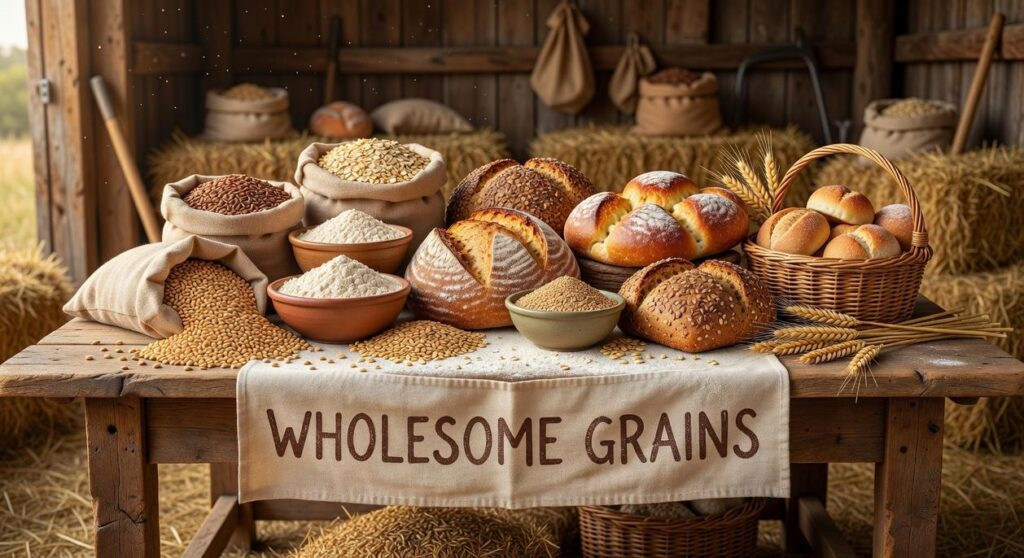
Wholesome Foundations: Using Pulses and Grains as a Canvas
I still remember the first time I cooked lentils from scratch. I’d only known the mushy, cafeteria version, and I was skeptical. But when I simmered green lentils gently with bay leaf and garlic, tasting as they softened, I realized pulses—edible seeds of legumes like lentils, chickpeas, and split peas—could be deeply flavorful on their own. The key is patience: salt toward the end, keep the boil gentle, and let them hold their shape (trust me, mush happens when you rush it).
Soft textures shine brighter with contrast. Stewed lentils become dinner-party worthy when topped with toasted walnuts or crispy onions. That interplay—creamy meets crunchy—keeps every bite interesting. It’s the same reason we love croutons on soup (texture is the unsung hero of satisfaction).
Some argue canned beans are just as good. And for busy nights, they are. But cooking from dry gives you control over texture and seasoning—and it’s often cheaper, too (USDA notes dried beans are among the most economical protein sources).
For heartful pairings, try lentils with walnuts and parsley for earthy depth, or chickpeas blended with tahini and lemon for brightness and fat balance. Why do these combinations work so well? Fat carries flavor, acid sharpens it, and herbs lift everything—simple principles that make plant-forward cooking endlessly adaptable.
Inspiration from a Global Pantry
Great cooking doesn’t require more ingredients—just smarter ones. While many flavor guides stop at listing spices, let’s go further and explore how global pairings unlock depth in everyday vegetables.
Middle Eastern Magic
Cumin (an earthy seed with warm, nutty notes), coriander (bright and citrusy), and smoked paprika (made from dried, smoked peppers) create layered complexity when bloomed in olive oil. Then comes contrast: fresh parsley and mint add lift and aroma. Toss this combination with roasted carrots or eggplant, and suddenly a humble tray bake tastes restaurant-level. The secret? Balance heat with herbs at the end—never during roasting (they lose vibrancy).
East Asian Essentials
Meanwhile, gochujang—a fermented Korean chili paste—delivers heat, sweetness, and umami (savory depth). Whisk it with rice vinegar and sesame oil for a bold glaze over tofu or greens. Unlike many Western marinades, this trio relies on fermentation for richness, not excess salt. It’s a foundational move in plant-forward cooking that competitors rarely unpack step-by-step.
Latin American Vibrancy
Then there’s the spark of chilies, cilantro, and lime. Acid brightens sweetness—especially in corn and roasted sweet potatoes. For deeper insight into ingredient journeys, explore from farmers market to table tracking food movements. After all, flavor starts long before it hits your skillet.
The Building Blocks Method for Easier Weeks
If weeknight cooking feels chaotic, here’s a simpler approach: prep components, not complete dishes. Instead of five separate recipes, batch-cook versatile “building blocks” you can mix and match.
- Cook a pot of quinoa or brown rice.
- Roast a tray of mixed vegetables (think broccoli, carrots, sweet potatoes).
- Simmer a pot of beans or lentils.
- Blend one all-purpose sauce.
This strategy makes plant-forward cooking flexible (and far less boring). One night it’s a grain bowl; the next, a hearty wrap. Same ingredients, different vibe.
Sauce Is Boss
Try this tahini vinaigrette: whisk 1/4 cup tahini, 2 tablespoons lemon juice, 1 tablespoon olive oil, 1 small grated garlic clove, warm water to thin, and salt to taste. It works on salads, roasted vegetables, or spooned over beans. Pro tip: thin it slightly more for grain bowls.
Smart Storage That Actually Works
Store greens with a paper towel to absorb moisture. Keep dressings separate until serving. Grains last longer in shallow airtight containers. Want crisper veggies? Let them cool fully before sealing.
You now have the tools to cook boldly.
Some argue plant-based meals lack satisfaction, insisting meat equals flavor. Yet flavor comes from technique—building umami, layering texture, and embracing global spices. Think of seared mushrooms with soy and garlic; they deliver savory depth worthy of any steakhouse.
The real shift in plant-forward cooking is addition, not subtraction.
| Technique | Why It Works |
| Sear mushrooms | Creates umami crust |
| Bright sauces | Add contrast and lift |
Choose one method this week and practice. Small changes compound; confidence follows.
Skeptics may still doubt, but consistent results change minds faster than arguments. Taste is evidence; once you master these foundations, vibrant meals become your new normal.
Start tonight with curiosity and heat.
Bring More Flavor and Balance to Your Table
You came here looking for practical, inspiring ways to make meals more nourishing, efficient, and exciting. Now you have the foundations, flavor pairings, and prep strategies to turn everyday cooking into something intentional and deeply satisfying.
If you’ve been feeling stuck in repetitive recipes, short on time, or unsure how to build meals that are both wholesome and crave-worthy, you’re not alone. The real challenge isn’t motivation—it’s having a clear, simple framework that works in real life.
Start with one shift: lean into plant-forward cooking by building your next meal around vibrant produce, hearty grains, and balanced proteins. Prep a few versatile ingredients in advance, experiment with one new global flavor this week, and notice how much easier and more enjoyable your kitchen routine becomes.
If you’re ready to simplify meal prep, reduce stress, and create dishes that truly nourish, take the next step now. Explore more heartful ingredient pairings, put these strategies into action this week, and transform the way you cook—one flavorful, efficient meal at a time.

 There is a specific skill involved in explaining something clearly — one that is completely separate from actually knowing the subject. Robert Venableroso has both. They has spent years working with global flavor inspirations in a hands-on capacity, and an equal amount of time figuring out how to translate that experience into writing that people with different backgrounds can actually absorb and use.
Robert tends to approach complex subjects — Global Flavor Inspirations, Culinary Pulse, Heartful Ingredient Pairings being good examples — by starting with what the reader already knows, then building outward from there rather than dropping them in the deep end. It sounds like a small thing. In practice it makes a significant difference in whether someone finishes the article or abandons it halfway through. They is also good at knowing when to stop — a surprisingly underrated skill. Some writers bury useful information under so many caveats and qualifications that the point disappears. Robert knows where the point is and gets there without too many detours.
The practical effect of all this is that people who read Robert's work tend to come away actually capable of doing something with it. Not just vaguely informed — actually capable. For a writer working in global flavor inspirations, that is probably the best possible outcome, and it's the standard Robert holds they's own work to.
There is a specific skill involved in explaining something clearly — one that is completely separate from actually knowing the subject. Robert Venableroso has both. They has spent years working with global flavor inspirations in a hands-on capacity, and an equal amount of time figuring out how to translate that experience into writing that people with different backgrounds can actually absorb and use.
Robert tends to approach complex subjects — Global Flavor Inspirations, Culinary Pulse, Heartful Ingredient Pairings being good examples — by starting with what the reader already knows, then building outward from there rather than dropping them in the deep end. It sounds like a small thing. In practice it makes a significant difference in whether someone finishes the article or abandons it halfway through. They is also good at knowing when to stop — a surprisingly underrated skill. Some writers bury useful information under so many caveats and qualifications that the point disappears. Robert knows where the point is and gets there without too many detours.
The practical effect of all this is that people who read Robert's work tend to come away actually capable of doing something with it. Not just vaguely informed — actually capable. For a writer working in global flavor inspirations, that is probably the best possible outcome, and it's the standard Robert holds they's own work to.