
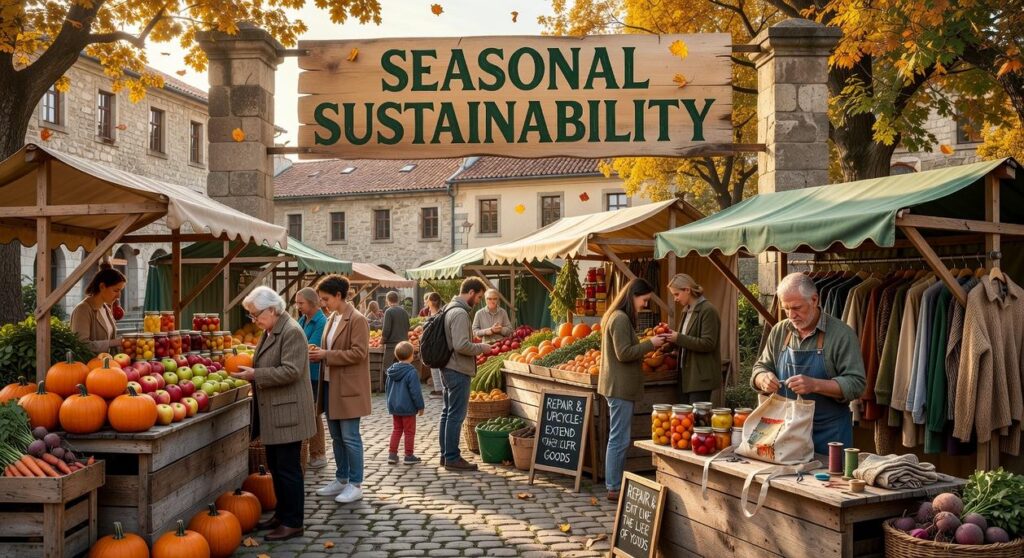
If you’re looking to cook meals that feel nourishing, vibrant, and deeply satisfying, you’re in the right place. This article is designed to help you build a strong foundation in wholesome cooking, explore global flavor inspirations, and discover heartful ingredient pairings that make every dish more meaningful. Whether you want to simplify your weekly routine or elevate everyday meals, you’ll find practical guidance that fits real life.
We combine culinary pulse insights with time-tested kitchen principles, drawing from diverse food traditions and practical meal prep strategies. You’ll also learn how embracing seasonal eating benefits your health, your budget, and the depth of flavor on your plate.
By the end, you’ll have clear, actionable ideas to cook more intentionally, waste less, and create meals that truly nourish—body and spirit.
Unlocking peak flavor starts with a simple shift: eat what nature intends now. When strawberries ripen in June, they’re sweeter and often richer in vitamin C (USDA data shows nutrient decline during long storage). That’s one of the core seasonal eating benefits. Fresher harvests mean shorter travel, better taste, and more nutrients.
So what’s next?
- Visit a local farmers market.
- Plan weekly meals around what’s abundant.
- Preserve extras by freezing or pickling.
You might wonder about convenience. Fair point. But in-season produce is usually cheaper and easier to cook well (think tomato sauce in August). Start today.
Why Seasonal Produce Packs a Bigger Nutritional Punch
I still remember biting into a tomato straight from my neighbor’s late-summer garden. It was warm from the sun, juice running down my wrist, and it tasted nothing like the pale supermarket versions I’d grown used to (you know the ones). That moment changed how I think about fresh, seasonal food.
Harvested at Peak Ripeness
When fruits and vegetables ripen naturally on the plant, they reach their highest concentration of vitamins, minerals, and antioxidants. Antioxidants are compounds that help protect your cells from damage caused by free radicals (unstable molecules linked to aging and disease). Studies show that produce harvested at peak ripeness can contain significantly higher levels of nutrients like vitamin C and polyphenols compared to items picked early (Journal of Agricultural and Food Chemistry).
The Nutrient Loss Problem
Many conventional crops are harvested prematurely so they can survive long-distance shipping. The issue? Once picked, nutrient degradation begins. Vitamin C, for example, declines during storage and transport (USDA data). By the time that strawberry travels across continents, it may look fine—but its nutritional value has quietly dipped.
The Science of Flavor
Natural ripening also develops complex sugars and aromatic compounds. These compounds create depth of flavor and better texture. Artificial ripening methods can change color, but they can’t fully replicate this biochemical symphony (yes, tomatoes have symphonies too).
- Peak ripeness means higher nutrients and fuller flavor.
Wholesome Cooking Foundation
Starting with nutrient-dense ingredients builds a stronger base for any dish. When produce tastes vibrant, you need less salt, sugar, or fat to make it satisfying. That’s one of the overlooked seasonal eating benefits: flavor and nutrition working together from the start.
Why Seasonal Choices Pay Off
The law of supply and demand is not just an economics textbook concept; it shows up in your grocery cart every week. When strawberries peak locally, farms harvest higher volumes, retailers compete to move inventory, and prices drop. That abundance translates into immediate seasonal eating benefits for shoppers who plan around harvest calendars.
Reduced overhead costs make a measurable difference. Out-of-season asparagus may travel 2,000 miles, requiring refrigerated trucks, cold storage warehouses, and protective packaging. Each step adds fuel, labor, and energy expenses that retailers pass on to you. In-season produce, by contrast, often moves from nearby fields to shelves within days, cutting transportation and refrigeration costs while preserving nutrients (and flavor).
Here is the practical edge: bulk buying at peak ripeness. Purchase tomatoes when they are cheapest, then freeze, can, or pickle them for sauces later. This meal prep efficiency hack locks in low prices and reduces food waste. Pro tip: label and date everything to track freshness.
Finally, buying seasonally frequently means buying locally. More of your dollar stays with regional growers, supporting jobs, farmland preservation, and a resilient community food system. It is practical, flavorful, and financially smart for modern households everywhere.
A Lighter Footprint on the Planet: The Environmental Case for Seasonal Diets

If you want to shrink your environmental impact, start with what’s on your plate.
First, consider food miles—the distance food travels from farm to fork. The longer the journey, the larger the carbon footprint from planes, ships, and trucks. According to the FAO, transportation contributes significantly to food system emissions, especially for perishable imports (FAO, 2013). Instead of buying strawberries in January, choose produce grown locally and in season. Fewer miles mean fewer emissions. Simple.
Next, think about energy use. Out-of-season demand often relies on heated greenhouses and climate-controlled storage, both of which consume substantial energy (U.S. EPA). In contrast, seasonal crops grow under natural conditions. So choose what’s thriving naturally in your region right now—it typically requires less irrigation, fewer pesticides, and minimal chemical intervention.
There’s also waste to consider. Shorter supply chains reduce spoilage during transit (WRAP, 2018). Food that doesn’t travel halfway across the globe is less likely to rot before it reaches you.
So here’s my recommendation: shop farmers’ markets, read labels for origin, and build meals around peak produce. If you’re exploring plant forward cooking a modern approach to balanced meals, seasonal ingredients make it even more impactful.
The seasonal eating benefits aren’t abstract—they’re measurable, practical, and surprisingly delicious (nature tends to know what it’s doing).
Breaking out of a food rut doesn’t require a passport, just attention to the calendar. Seasonal eating benefits work like nature’s rotating menu, quietly swapping ingredients so your meals never feel stale. While some argue that modern supermarkets make seasonality irrelevant, year-round tomatoes rarely taste like August. Instead, lean into spring’s fiddleheads, summer’s heirloom produce, autumn’s persimmons, and winter’s citrus. Then, let global traditions guide you: bright herbs for Mediterranean platters, chiles for Latin heat, or root vegetables for slow-simmered Nordic-style stews. For example, pair summer tomatoes with basil, or roast autumn squash with sage and brown butter (yes, it’s as comforting as it sounds). Consider this simple framework:
- Choose one new in-season ingredient each week.
- Build a meal around its traditional pairings.
Pro tip: shop farmers markets late in the day for surprise deals. Ultimately, routine breaks when curiosity leads the pan. Let seasons set rhythm naturally.
Your plate doesn’t need another imported strawberry in December. I’ve made that mistake—overpaying for bland, travel-weary produce and wondering why my meals felt flat. The lesson? Nature’s calendar tastes better. You already understand how eating seasonally supports your health, budget, and planet; those seasonal eating benefits are real. Now act. Break the rut and reclaim variety.
Visit a farmers’ market this week or check a regional harvest guide before shopping. Try:
- Swap tomatoes for roasted squash in fall.
- Build meals around what’s freshest, not familiar.
Small shifts, big flavor. Align with the season, and your plate becomes brighter, simpler, healthier.
You came here looking for a smarter, more inspiring way to cook with the rhythm of the seasons—and now you have it. By embracing seasonal eating benefits, you’re not just upgrading your meals; you’re solving the all-too-common struggle of bland flavors, rising grocery bills, and uninspired weekly menus.
Cooking with what’s in season means better taste, better nutrition, and better value. It simplifies meal prep, sparks creativity, and helps you feel more connected to what’s on your plate. Most importantly, it removes the overwhelm of figuring out what to cook by giving you a natural, flavorful roadmap.
Bring the Seasons to Your Table
If you’re tired of repetitive meals and wasted ingredients, now’s the time to change that. Start planning your next week of meals around what’s fresh right now, experiment with one new seasonal ingredient, and build momentum from there.
Want faster results? Follow our proven, top-rated seasonal meal strategies trusted by thousands of home cooks who’ve transformed their kitchens. Don’t let another week of dull dinners pass you by—start cooking with the season today and taste the difference immediately.

 Ask Xendris Zolmuth how they got into global flavor inspirations and you'll probably get a longer answer than you expected. The short version: Xendris started doing it, got genuinely hooked, and at some point realized they had accumulated enough hard-won knowledge that it would be a waste not to share it. So they started writing.
What makes Xendris worth reading is that they skips the obvious stuff. Nobody needs another surface-level take on Global Flavor Inspirations, Insightful Reads, Meal Prep Efficiency Hacks. What readers actually want is the nuance — the part that only becomes clear after you've made a few mistakes and figured out why. That's the territory Xendris operates in. The writing is direct, occasionally blunt, and always built around what's actually true rather than what sounds good in an article. They has little patience for filler, which means they's pieces tend to be denser with real information than the average post on the same subject.
Xendris doesn't write to impress anyone. They writes because they has things to say that they genuinely thinks people should hear. That motivation — basic as it sounds — produces something noticeably different from content written for clicks or word count. Readers pick up on it. The comments on Xendris's work tend to reflect that.
Ask Xendris Zolmuth how they got into global flavor inspirations and you'll probably get a longer answer than you expected. The short version: Xendris started doing it, got genuinely hooked, and at some point realized they had accumulated enough hard-won knowledge that it would be a waste not to share it. So they started writing.
What makes Xendris worth reading is that they skips the obvious stuff. Nobody needs another surface-level take on Global Flavor Inspirations, Insightful Reads, Meal Prep Efficiency Hacks. What readers actually want is the nuance — the part that only becomes clear after you've made a few mistakes and figured out why. That's the territory Xendris operates in. The writing is direct, occasionally blunt, and always built around what's actually true rather than what sounds good in an article. They has little patience for filler, which means they's pieces tend to be denser with real information than the average post on the same subject.
Xendris doesn't write to impress anyone. They writes because they has things to say that they genuinely thinks people should hear. That motivation — basic as it sounds — produces something noticeably different from content written for clicks or word count. Readers pick up on it. The comments on Xendris's work tend to reflect that.