
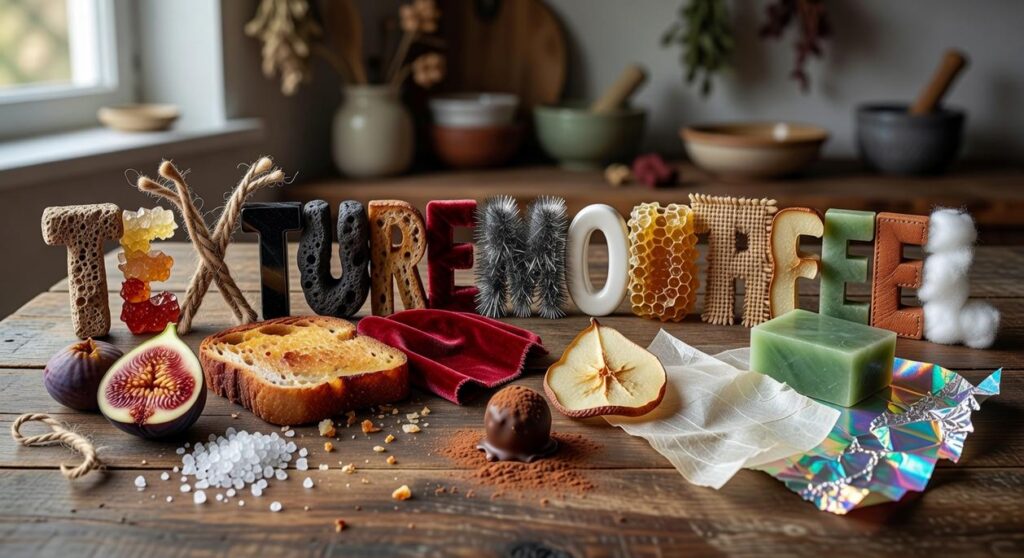
The Importance of Texture and Mouthfeel
To enhance your culinary creations, understanding the science behind perfect food pairings can elevate flavors, much like choosing the right cooking oil, as explored in our article “Which Cooking Oil to Use Heartumental.
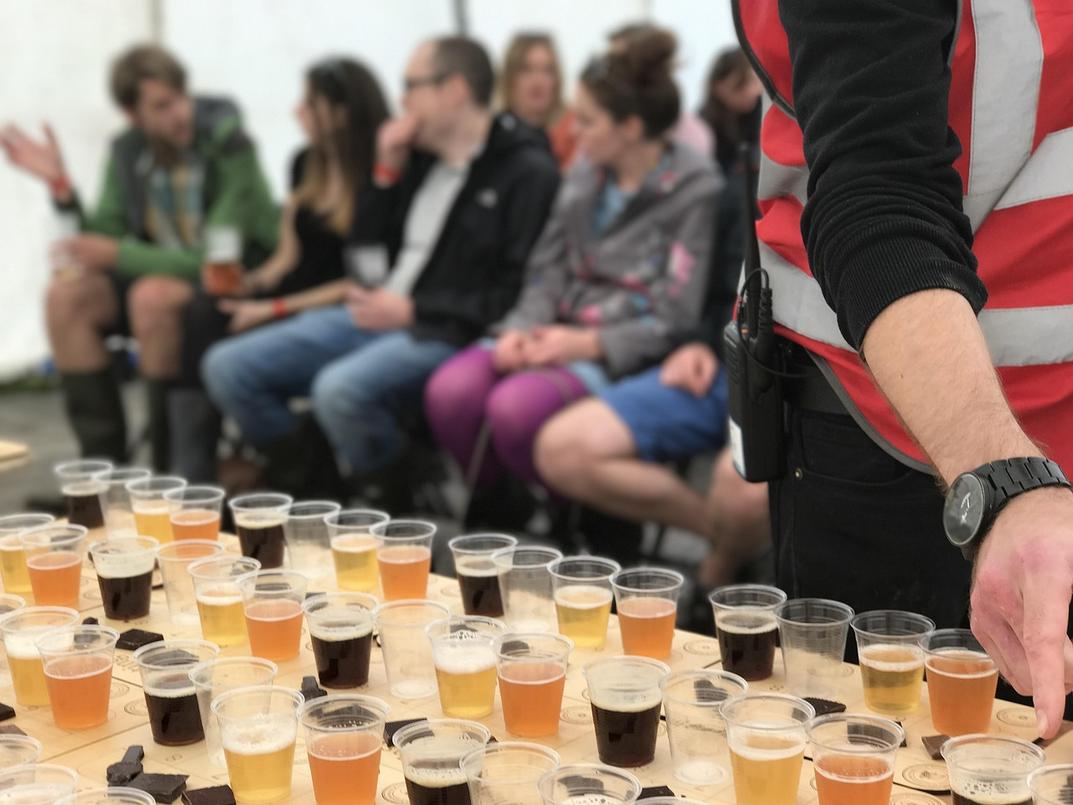
A dish with only one texture—even if it tastes good—can feel flat. Imagine a bowl of mashed potatoes with nothing else. Comforting? Sure. Memorable? Not quite. I believe food should feel like a conversation between contrasts. Crunchy and creamy. Crisp and tender. (Yes, I will die on this hill.)
Textural contrast simply means combining different physical sensations in one bite. Think of a crunchy nut topping on a velvety soup, or a crisp salad tangled with soft goat cheese. That snap of a fresh bell pepper in a stir-fry? That’s the moment your brain perks up. According to food pairing science, our enjoyment increases when multiple sensory inputs—texture, aroma, taste—activate simultaneously (Spence, 2015).
Temperature plays its part, too. Warm brownie with cold ice cream works because opposing temperatures heighten sensory contrast and prolong flavor release (Harvard T.H. Chan School of Public Health).
Then there’s creaminess—that rich, coating sensation created when fats lubricate the tongue, softening sharp flavors and enhancing sweetness perception (McGee, On Food and Cooking). I’d argue creaminess is less about taste and more about feel.
Textural Pairing Examples
| Base Texture | Contrast Element | Result |
|---|---|---|
| Creamy soup | Toasted nuts |
Depth + crunch |
| Crisp greens | Soft cheese | Balance |
| Tender pasta | Crispy breadcrumbs | Lift |
For more inspiration, explore classic flavor combinations that always work.
Texture isn’t decoration—it’s experience.

 There is a specific skill involved in explaining something clearly — one that is completely separate from actually knowing the subject. Robert Venableroso has both. They has spent years working with global flavor inspirations in a hands-on capacity, and an equal amount of time figuring out how to translate that experience into writing that people with different backgrounds can actually absorb and use.
Robert tends to approach complex subjects — Global Flavor Inspirations, Culinary Pulse, Heartful Ingredient Pairings being good examples — by starting with what the reader already knows, then building outward from there rather than dropping them in the deep end. It sounds like a small thing. In practice it makes a significant difference in whether someone finishes the article or abandons it halfway through. They is also good at knowing when to stop — a surprisingly underrated skill. Some writers bury useful information under so many caveats and qualifications that the point disappears. Robert knows where the point is and gets there without too many detours.
The practical effect of all this is that people who read Robert's work tend to come away actually capable of doing something with it. Not just vaguely informed — actually capable. For a writer working in global flavor inspirations, that is probably the best possible outcome, and it's the standard Robert holds they's own work to.
There is a specific skill involved in explaining something clearly — one that is completely separate from actually knowing the subject. Robert Venableroso has both. They has spent years working with global flavor inspirations in a hands-on capacity, and an equal amount of time figuring out how to translate that experience into writing that people with different backgrounds can actually absorb and use.
Robert tends to approach complex subjects — Global Flavor Inspirations, Culinary Pulse, Heartful Ingredient Pairings being good examples — by starting with what the reader already knows, then building outward from there rather than dropping them in the deep end. It sounds like a small thing. In practice it makes a significant difference in whether someone finishes the article or abandons it halfway through. They is also good at knowing when to stop — a surprisingly underrated skill. Some writers bury useful information under so many caveats and qualifications that the point disappears. Robert knows where the point is and gets there without too many detours.
The practical effect of all this is that people who read Robert's work tend to come away actually capable of doing something with it. Not just vaguely informed — actually capable. For a writer working in global flavor inspirations, that is probably the best possible outcome, and it's the standard Robert holds they's own work to.