

If you’re searching for the flavors, techniques, and food philosophies shaping the year ahead, this guide to culinary trends 2026 delivers exactly that. From global flavor crossovers and smarter meal prep systems to heart-focused ingredient pairings and wholesome cooking foundations, we break down what’s gaining momentum—and why it matters in your kitchen.
Home cooks and food enthusiasts alike are navigating a wave of rapid change. Ingredients once considered niche are becoming staples, efficiency is redefining weeknight cooking, and diners are prioritizing both flavor depth and nutritional intention. This article explores the trends driving those shifts and shows you how to apply them in practical, approachable ways.
Our insights are grounded in ongoing culinary research, industry reports, and hands-on recipe testing to ensure accuracy and real-world relevance. By the end, you’ll understand not just what’s trending in 2026, but how to use these developments to elevate your everyday meals with confidence.
The Culinary Horizon: What’s on the Menu for 2026?
Change in food once felt gradual; however, I learned the hard way that it’s exponential. I once dismissed plant-based fermentation as hype, and consequently missed a major shift in consumer demand. That mistake taught me to watch signals, not headlines.
Here’s what matters now:
- AI-guided meal planning reduces waste and boosts efficiency.
- Climate-smart ingredients like millet and seaweed go mainstream.
- Hyper-regional spice blends redefine comfort food.
Skeptics argue trends are fads. Yet culinary trends 2026 show data-backed longevity, not gimmicks. Therefore, adapt early, taste boldly, and future-proof your pantry wisely today.
The Hyper-Efficient Kitchen: Technology on Your Countertop
The modern kitchen is no longer just stainless steel and sharp knives—it’s an ecosystem. And while competitors obsess over gadget reviews, they often miss the bigger shift: integration. The real advantage isn’t owning smart tools; it’s how they talk to each other.
AI-Powered Meal Prep
Artificial intelligence (AI)—software that learns patterns and makes decisions—now powers meal planning. Smart platforms analyze dietary needs, ingredient inventories, and time constraints to auto-generate recipes and shopping lists. For example, if you have spinach expiring tomorrow, your app might suggest a saag-inspired pasta (because food waste is the real villain origin story). According to the USDA, 30–40% of the U.S. food supply is wasted annually, making this optimization more necessity than novelty.
Next-Generation Meal Kits
Meanwhile, meal kits are evolving beyond one-size-fits-all boxes. Expect chef collaborations, smart-oven QR integrations, and zero-waste packaging aligned with culinary trends 2026. Unlike traditional kits, hyper-personalized models adjust spice levels, macros, and portion sizes dynamically. Some critics argue this removes creativity from cooking. Fair point. However, customization can actually expand flavor literacy—think Spotify Discover Weekly, but for dinner.
Smart Sustainability in Action
Smart refrigerators now track expiration dates and suggest leftover-based recipes. This “predictive freshness” model reduces spoilage and saves money (pro tip: sync your fridge app with your calendar for batch-cooking reminders).
To start today:
- Download a pantry-tracking app.
- Use barcode scanners for inventory updates.
- Plan one “leftover remix” meal weekly.
Efficiency isn’t about replacing intuition—it’s about amplifying it.
Radical Transparency: The New Standard for Wholesome Eating
The clean-label era was just the warm-up. What’s emerging now is radical transparency—a food culture where proof matters more than promises.
Functional Ingredients Take Center Stage
“Functional ingredients” are foods enhanced with measurable health benefits beyond basic nutrition. Think prebiotics (fibers that feed beneficial gut bacteria) and postbiotics (beneficial compounds produced by those bacteria), both linked to digestive and immune support (Harvard Health, 2023). Add nootropics—compounds that support cognitive performance—like lion’s mane mushroom or L-theanine, and mood-balancing nutrients such as magnesium glycinate.
Some skeptics argue this is just wellness marketing with better branding. Fair. But the difference now? Clinical backing and dosage transparency. Consumers aren’t just asking what’s in it—they’re asking how much and does it work.
The Plant-Based Evolution 3.0
Plant-based is no longer about imitation burgers “bleeding” beet juice. It’s about celebrating lentils, sea vegetables, ancient grains, and mycelium—the root-like structure of fungi used as a whole-food protein. Precision fermentation (using microbes to create specific proteins) is also expanding sustainable dairy alternatives.
Critics say ultra-processed plant foods defeated the purpose. That’s exactly why the shift toward minimally processed, whole-ingredient cooking defines culinary trends 2026. The edge? Flavor-first, globally inspired dishes that make plants the hero—not the substitute.
Ultra-Traceability as the Baseline
Ultra-traceability means scanning a package to see farm origin, soil practices, and transport emissions. Blockchain-backed supply chains are making this viable (IBM Food Trust, 2024).
Some brands worry that this level of visibility is risky. But transparency builds trust capital—and trust is the ultimate competitive moat (especially when one scan tells the whole story).
A World on a Plate: The Rise of Third-Culture Cuisine
The Global Flavor Pantry
Once “specialty store only” ingredients are now lining everyday supermarket shelves. Fonio—an ancient West African grain rich in amino acids (USDA)—cooks like couscous but offers a nutty depth and gluten-free appeal. Dawadawa, a fermented locust bean seasoning, delivers an umami punch similar to miso (think: the savory bass line of a dish). From the Philippines, calamansi brings a sharper, more floral citrus note than lemon, while ube adds earthy sweetness and that unmistakable violet hue. Southeast Asia contributes pandan—often called “Asian vanilla”—and galangal, a citrusy cousin of ginger that brightens curries and soups.
If you’re wondering where to start, try swapping rice for fonio in grain bowls or adding grated galangal to chicken soup for aromatic lift. (Small changes, big payoff.)
Third-Culture Cooking Defined
Third-culture cooking blends the flavors of one’s heritage with the techniques or ingredients of a new home. It’s not fusion for novelty’s sake; it’s lived experience on a plate. Picture Italian pasta techniques tossed with Japanese miso butter and nori, or adobo-inspired braised short ribs tucked into tacos.
Some argue this dilutes tradition. But cuisines have always evolved—tomatoes weren’t native to Italy until the 16th century (Columbian Exchange research, Smithsonian). Authenticity isn’t static; it’s adaptive.
The “New Heat”
Today’s diners want more than raw capsaicin burn. Gochujang, harissa, and fermented chili pastes layer heat with sweetness, smoke, and umami (Capsaicin studies, National Institutes of Health). That complexity defines many culinary trends 2026.
For practical inspiration—and to see how social platforms accelerate these mashups—explore how social media is influencing everyday cooking habits.
Pro tip: Bloom chili pastes in oil before adding other ingredients to unlock deeper flavor.
The Resilient Supply Chain: From Vertical Farms to Your Fork
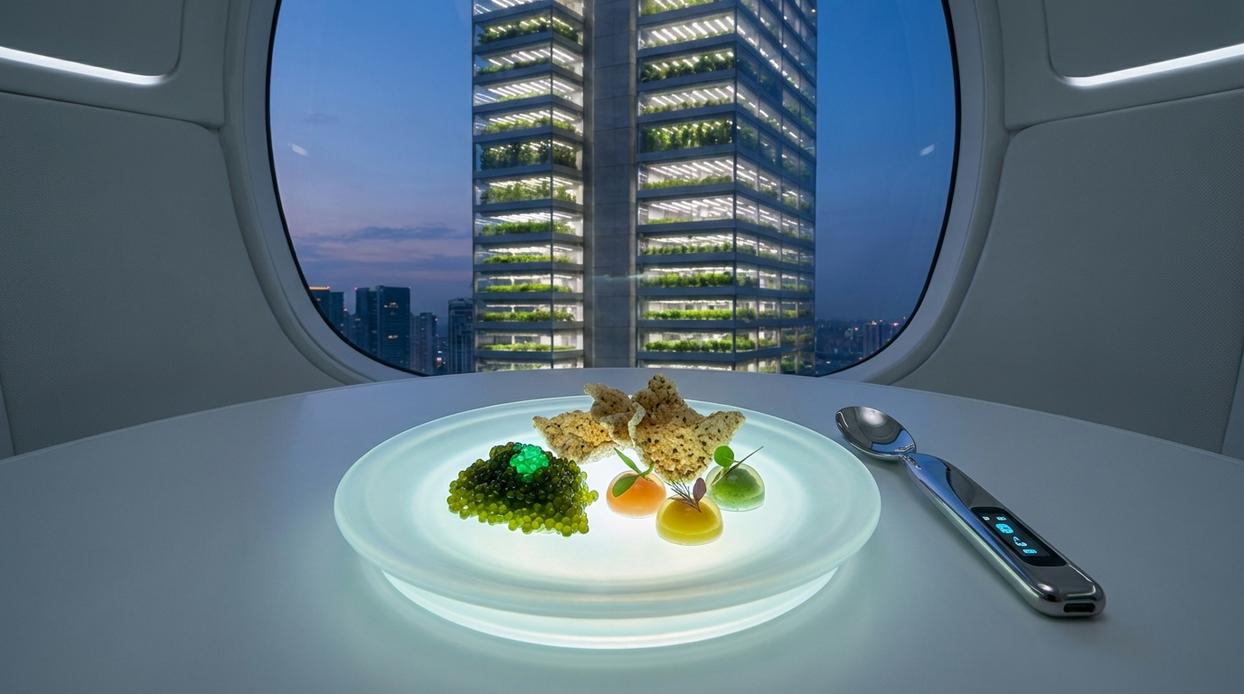
I’m convinced the most exciting shift in food right now is happening upward—inside warehouses and city high-rises. Vertical farming (growing crops in stacked indoor systems with controlled light and climate) is shrinking the distance from harvest to plate. In cities like Singapore and New York, leafy greens are picked in the morning and plated by dinner (talk about frequent flyer miles dropping to zero). Critics argue indoor farming is energy-intensive, but advances in LED efficiency and renewable grids are closing that gap.
Then there’s regenerative agriculture—farming that restores soil health and biodiversity. Some say it’s just rebranded organic. I disagree. When brands quantify carbon sequestration and soil gains, shoppers notice—and buy accordingly.
• Heirloom tomatoes with actual flavor
• Ancient grains like einkorn and teff
• Biodiverse orchards over monocrops
Heirlooms aren’t nostalgia; they’re resilience. Isn’t that what culinary trends 2026 should taste like?
How to Prepare Your Palate for the Future of Food
As we look ahead, a few shifts are clear: smarter kitchens powered by intuitive tech, transparent sourcing that traces food from soil to plate, and bolder global flavors showing up in everyday meals. Still, I’ll admit—not all culinary trends 2026 are fully predictable. Tastes evolve in surprising ways (remember when kale was fringe?).
The real challenge is keeping up. Yet curiosity is the solution. Instead of resisting change, treat it as an invitation to cook smarter and eat better.
- This week, try one new global ingredient and build a simple dish around it.
Start there. The future will meet you halfway.
Bringing It All to Your Table
You came here looking for clarity on culinary trends 2026—what’s real, what’s hype, and how to actually use these insights in your own kitchen. Now you have a clear path forward: smarter ingredient pairings, global flavor layering, efficient meal prep systems, and a stronger foundation for wholesome, flavorful cooking.
If you’ve been feeling stuck in repetitive meals, overwhelmed by conflicting food trends, or short on time to experiment, that frustration ends here. The right trends don’t complicate your cooking—they simplify it, elevate it, and make every meal more intentional.
Here’s your next move: choose one trend, apply it to your next weekly meal plan, and build from there. Small, consistent upgrades create lasting transformation.
Want faster results without the guesswork? Get expert-backed culinary insights, proven pairing frameworks, and efficiency hacks trusted by thousands of home cooks looking to cook smarter—not harder. Start refining your kitchen strategy today and turn every meal into something purposeful, nourishing, and unforgettable.

 Ask Teresa Valdezitara how they got into meal prep efficiency hacks and you'll probably get a longer answer than you expected. The short version: Teresa started doing it, got genuinely hooked, and at some point realized they had accumulated enough hard-won knowledge that it would be a waste not to share it. So they started writing.
What makes Teresa worth reading is that they skips the obvious stuff. Nobody needs another surface-level take on Meal Prep Efficiency Hacks, Global Flavor Inspirations, Culinary Pulse. What readers actually want is the nuance — the part that only becomes clear after you've made a few mistakes and figured out why. That's the territory Teresa operates in. The writing is direct, occasionally blunt, and always built around what's actually true rather than what sounds good in an article. They has little patience for filler, which means they's pieces tend to be denser with real information than the average post on the same subject.
Teresa doesn't write to impress anyone. They writes because they has things to say that they genuinely thinks people should hear. That motivation — basic as it sounds — produces something noticeably different from content written for clicks or word count. Readers pick up on it. The comments on Teresa's work tend to reflect that.
Ask Teresa Valdezitara how they got into meal prep efficiency hacks and you'll probably get a longer answer than you expected. The short version: Teresa started doing it, got genuinely hooked, and at some point realized they had accumulated enough hard-won knowledge that it would be a waste not to share it. So they started writing.
What makes Teresa worth reading is that they skips the obvious stuff. Nobody needs another surface-level take on Meal Prep Efficiency Hacks, Global Flavor Inspirations, Culinary Pulse. What readers actually want is the nuance — the part that only becomes clear after you've made a few mistakes and figured out why. That's the territory Teresa operates in. The writing is direct, occasionally blunt, and always built around what's actually true rather than what sounds good in an article. They has little patience for filler, which means they's pieces tend to be denser with real information than the average post on the same subject.
Teresa doesn't write to impress anyone. They writes because they has things to say that they genuinely thinks people should hear. That motivation — basic as it sounds — produces something noticeably different from content written for clicks or word count. Readers pick up on it. The comments on Teresa's work tend to reflect that.