
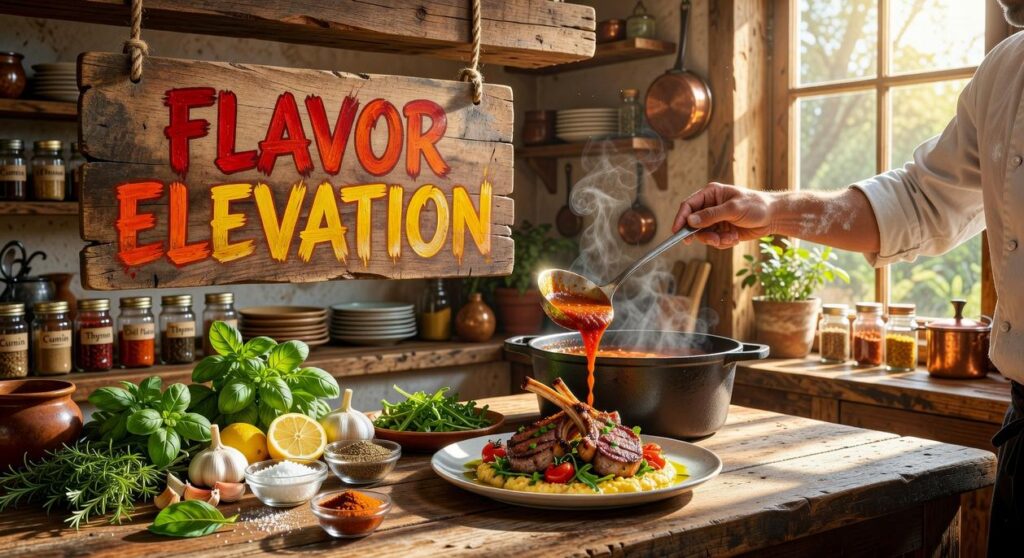
If you’re searching for a practical, inspiring way to eat better without overcomplicating your kitchen routine, this whole foods guide is designed for you. It breaks down the foundations of wholesome cooking into clear, actionable steps—helping you understand which ingredients to prioritize, how to pair them for both flavor and nourishment, and how to turn simple staples into satisfying meals.
This article aligns with your search for trustworthy, real-world guidance by combining evidence-based nutrition principles with globally inspired flavor strategies and efficient meal prep techniques. We’ve drawn on established dietary research, culinary best practices, and tested kitchen methods to ensure every recommendation is both health-conscious and achievable.
Inside, you’ll discover smart ingredient swaps, balanced plate formulas, heartful pairings that elevate everyday dishes, and time-saving prep systems that make consistency easier. Whether you’re refining your habits or starting fresh, this guide gives you a confident, flavorful path forward.
Healthy eating advice is EVERYWHERE—and wildly contradictory. One headline praises carbs; another bans them. The real problem isn’t lack of information; it’s confusion between genuinely nutritious foods and clever marketing hype (looking at you, “all-natural” cookies).
So let’s clarify. Nutrient-dense means foods rich in vitamins, minerals, fiber, and healthy fats relative to calories. Think:
• Vegetables and fruits
• Whole grains
• Lean proteins
• Healthy fats
This whole foods guide breaks foundations into simple choices you can repeat daily. No fads. No detox teas. Just balanced plates that fit busy lives—because sustainable beats extreme, every time for lasting health.
Building Your Plate: The Power of Proteins, Carbs, and Fats
A few years ago, I hit that mid-afternoon slump hard—foggy brain, zero patience, reaching for cookies like they were a life raft. That’s when I realized I wasn’t eating balanced meals. I was missing the big three: macronutrients—proteins, carbohydrates, and fats—the body’s primary energy sources and building blocks.
First, protein. Think of it as your repair crew. It rebuilds muscle tissue after workouts and increases satiety (the feeling of fullness). When I started adding chicken breast, lentils, tofu, Greek yogurt, and fish to my lunches, I stopped prowling the pantry at 3 p.m. (Turns out willpower works better when you’re actually nourished.)
Next, complex carbohydrates. Unlike simple carbs, which digest quickly and spike blood sugar, complex carbs break down slowly, providing steady fuel (Harvard T.H. Chan School of Public Health). Quinoa, brown rice, oats, sweet potatoes, and whole-wheat bread keep energy consistent instead of rollercoaster-high.
Finally, healthy fats. These support hormone production and brain health (National Institutes of Health). Avocados, olive oil, nuts, and chia or flax seeds make meals satisfying and flavorful.
Some argue carbs or fats are the enemy. I’ve tried cutting them. It backfired. Balance wins—something any whole foods guide quietly reinforces.
Eat the Rainbow: Maximizing Vitamins and Minerals in Your Diet
“Eat the rainbow” isn’t just Instagram-friendly advice. It’s a practical strategy for diversifying your micronutrients—vitamins and minerals your body needs in small amounts but relies on for big jobs like immunity, circulation, and cell repair. By choosing fruits and vegetables across color groups, you naturally widen your nutrient intake (no calculator required).
Some skeptics argue that total calories and macros matter more than color. And yes, protein and healthy fats are essential. However, research consistently links higher fruit and vegetable variety with reduced risk of heart disease and certain cancers (Harvard T.H. Chan School of Public Health). Color is simply an easy visual shortcut.
Reds: Lycopene & Vitamin C
Red produce like tomatoes, strawberries, watermelon, and red bell peppers contains lycopene—an antioxidant associated with heart health (American Heart Association). Vitamin C supports blood vessels and immune defense. Think of reds as cardiovascular bodyguards.
Greens: Folate, Iron & Vitamin K
Spinach, kale, broccoli, and Brussels sprouts deliver folate (crucial for cell growth), iron (oxygen transport), and vitamin K (blood clotting and bone health). If you’ve ever felt sluggish, iron intake might be part of the puzzle.
Yellows & Oranges: Beta-Carotene & Vitamin C
Carrots, mangoes, oranges, and butternut squash shine with beta-carotene, converted into vitamin A for vision and immune resilience (National Institutes of Health). Yes, carrots helping eyesight isn’t just cartoon lore.
Blues & Purples: Anthocyanins
Blueberries, blackberries, eggplant, and purple cabbage contain anthocyanins—antioxidants linked to brain health and reduced inflammation (Journal of Agricultural and Food Chemistry).
If eating this way feels complicated, start simple with this whole foods guide and focus on building balanced meals with simple pantry staples: https://heartumental.com.co/building-balanced-meals-with-simple-pantry-staples/.
Pro tip: Aim for three colors per plate—it’s achievable, efficient, and surprisingly delicious.
Elevate Your Meals: Simple Swaps and Flavorful Pairings

Small changes, repeated daily, can dramatically improve your nutrition. Research from the Harvard T.H. Chan School of Public Health links whole grains to lower heart disease risk, making simple swaps more powerful than they seem.
Nutrient-Dense Swaps
- White rice → Quinoa (higher in protein and fiber)
- Sugary cereal → Oatmeal with berries (beta-glucan fiber supports heart health)
- Creamy dressing → Olive oil vinaigrette (rich in monounsaturated fats)
- Soda → Sparkling water with lemon (cuts added sugars tied to obesity, per CDC data)
At first glance, critics argue these swaps feel restrictive. However, studies show gradual dietary improvements are more sustainable than extreme overhauls. In other words, you’re upgrading—not depriving.
Synergistic Pairings (foods that enhance each other’s nutrient absorption)
- Spinach + bell peppers: Vitamin C boosts iron absorption.
- Turmeric + black pepper: Piperine increases curcumin absorption by up to 2,000% (Planta Medica).
Meanwhile, flavor doesn’t require excess salt or sugar. Garlic, ginger, cumin, and oregano deliver bold taste with antioxidant benefits. Transitioning to herbs and spices can reduce sodium intake, which the WHO associates with lower blood pressure risk.
For practical inspiration, follow a whole foods guide and focus on ingredients that work together naturally. Ultimately, better meals aren’t complicated—they’re simply smarter combinations.
From Grocery Store to Table: A Practical Approach to Healthy Eating
You know what to eat. The challenge is doing it—consistently, efficiently, realistically. So let’s simplify.
The Smart Shopping List
Keep these staples on hand:
- Whole Grains: oats, brown rice, quinoa
- Canned Goods: beans, lentils, crushed tomatoes
- Frozen Foods: vegetables, berries, wild-caught fish
- Healthy Fats: almonds, chia seeds, olive oil
This isn’t trendy—it’s practical. Research consistently links diets rich in whole grains and legumes to lower heart disease risk (Harvard T.H. Chan School of Public Health). If it’s in your kitchen, you’ll use it. If it’s not, you won’t (simple, but true).
Foundational Meal Prep
Each week:
- Cook one large batch of a whole grain
- Wash and chop vegetables
- Hard-boil a dozen eggs
That’s it. Three moves.
Think of this as your personal whole foods guide in action. Why complicate it? Healthy eating isn’t about perfection—it’s about preparation.
Confused by conflicting food rules and endless diet trends? Your journey to wholesome eating starts with a simple truth: a nutritious life is built on whole foods, variety, and consistency—not perfection or restriction. This whole foods guide cuts through the noise, giving you a clear, practical path forward. Focus on balanced macronutrients, piles of colorful produce, and smart swaps that fit your routine. Have you considered trading sugary snacks for fruit and nuts, or white bread for whole grain? Small shifts, repeated daily, create lasting change. Pick one new food this week and see how far it takes you forward.
Bring It Back to the Table
You came here looking for a simpler, more nourishing way to cook — something that feels grounded, flavorful, and realistic for your everyday life. Now you have the foundations: smarter ingredient pairings, global flavor inspiration, and practical meal prep strategies that make wholesome cooking sustainable instead of overwhelming.
The truth is, most people struggle with consistency. They want to eat better, but time, confusion, and lack of inspiration get in the way. When your meals lack balance or excitement, it becomes easy to fall back on convenience over nourishment.
That’s exactly why following a whole foods guide changes everything. It gives you structure without restriction, creativity without chaos, and meals that truly satisfy.
Now it’s your move. Start with one intentional swap this week. Build one globally inspired bowl. Prep one foundational ingredient ahead of time. Small shifts create lasting rhythm.
If you’re ready to make wholesome cooking easier, more flavorful, and more efficient — explore our proven meal foundations and flavor frameworks today. Thousands of home cooks are already transforming their kitchens with these practical systems. Join them and start cooking with purpose tonight.

 There is a specific skill involved in explaining something clearly — one that is completely separate from actually knowing the subject. Robert Venableroso has both. They has spent years working with global flavor inspirations in a hands-on capacity, and an equal amount of time figuring out how to translate that experience into writing that people with different backgrounds can actually absorb and use.
Robert tends to approach complex subjects — Global Flavor Inspirations, Culinary Pulse, Heartful Ingredient Pairings being good examples — by starting with what the reader already knows, then building outward from there rather than dropping them in the deep end. It sounds like a small thing. In practice it makes a significant difference in whether someone finishes the article or abandons it halfway through. They is also good at knowing when to stop — a surprisingly underrated skill. Some writers bury useful information under so many caveats and qualifications that the point disappears. Robert knows where the point is and gets there without too many detours.
The practical effect of all this is that people who read Robert's work tend to come away actually capable of doing something with it. Not just vaguely informed — actually capable. For a writer working in global flavor inspirations, that is probably the best possible outcome, and it's the standard Robert holds they's own work to.
There is a specific skill involved in explaining something clearly — one that is completely separate from actually knowing the subject. Robert Venableroso has both. They has spent years working with global flavor inspirations in a hands-on capacity, and an equal amount of time figuring out how to translate that experience into writing that people with different backgrounds can actually absorb and use.
Robert tends to approach complex subjects — Global Flavor Inspirations, Culinary Pulse, Heartful Ingredient Pairings being good examples — by starting with what the reader already knows, then building outward from there rather than dropping them in the deep end. It sounds like a small thing. In practice it makes a significant difference in whether someone finishes the article or abandons it halfway through. They is also good at knowing when to stop — a surprisingly underrated skill. Some writers bury useful information under so many caveats and qualifications that the point disappears. Robert knows where the point is and gets there without too many detours.
The practical effect of all this is that people who read Robert's work tend to come away actually capable of doing something with it. Not just vaguely informed — actually capable. For a writer working in global flavor inspirations, that is probably the best possible outcome, and it's the standard Robert holds they's own work to.