
Plant-based cooking isn’t just about salads and steamed vegetables anymore.
You’re here because you want more—more flavor, more texture, more excitement on your plate. Maybe your meals feel repetitive, or you’re struggling to create that rich, satisfying depth you once relied on from other ingredients. You’re not alone. Many home cooks hit a wall when trying to move beyond the basics.
This is where plant-based cooking innovation changes everything.
In this guide, we explore how plant-based cuisine has evolved into a vibrant, globally inspired culinary movement. Drawing on extensive culinary research and wholesome cooking foundations, we break down the techniques, ingredient pairings, and flavor-building strategies that truly make a difference.
You’ll discover practical, actionable methods to layer bold flavors, create satisfying textures, and transform everyday ingredients into memorable meals.
No fluff. Just the tools and inspiration you need to unlock the full potential of your plant-based kitchen.
Unlocking Umami: Advanced Browning and Flavor Layering
Some cooks argue that nothing replaces meat for deep savoriness. They’ll say vegetables just can’t develop that same complexity. But that assumes flavor comes from the ingredient alone, not the technique. Umami—the savory taste linked to glutamates—can be amplified through controlled browning and layering.
Technique 1 – High-Heat Glazing
The Maillard reaction (a chemical reaction between amino acids and sugars that creates browned flavor compounds) accelerates when heat meets low surface moisture. Brushing eggplant or mushrooms with miso or tamari adds sugars and amino acids, fueling that reaction. According to food scientist Harold McGee, high heat plus proteins and sugars equals deeper browning complexity. Critics worry high heat burns glazes. True—if you walk away. Stay attentive (this is not a scroll-your-phone moment).
Technique 2 – The “Dry Sauté”
Mushrooms are about 90% water (USDA). Start them in a hot pan without oil to evaporate moisture first. They’ll release liquid, shrink, and concentrate flavor. Only then add fat for browning. Some say skipping oil risks sticking. Use a heavy pan and patience—once water cooks off, they naturally release.
Recipe Spotlight: Miso-Glazed King Oyster “Scallops”
- Slice thick rounds.
- Score tops lightly.
- Dry sauté until moisture evaporates.
- Add oil; sear until golden.
- Brush with miso glaze; cook briefly.
The result? Deeply caramelized, firm, and rich—proof that plant-based cooking innovation can rival tradition (yes, even steakhouse nostalgia).
The Science of Texture: Fermentation and Creative Aging
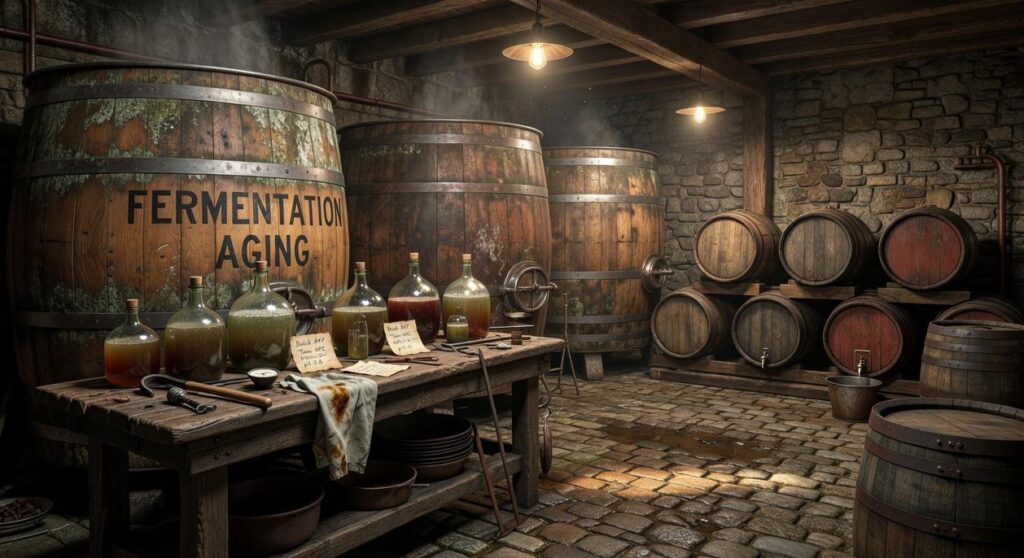
Fermentation sounds intimidating (lab coats, bubbling jars, science fair vibes), but at its core it’s simple: microbes—beneficial bacteria and yeasts—convert sugars into acids, creating tangy flavor and thicker texture. In plant-based dairy, this process is EVERYTHING. When Lactobacillus cultures digest natural sugars in cashews, they produce lactic acid, lowering pH and creating that familiar “cheese” tang (Sandor Katz, The Art of Fermentation).
Some critics argue fermented nut cheeses are just trendy spreads with fancy branding. Fair point—if you skip proper culturing. But controlled fermentation doesn’t just add flavor; it transforms structure. Acidity tightens proteins and emulsified fats, giving body and sliceability (McGee, On Food and Cooking). That’s not hype. That’s food chemistry.
Technique 1 – Cultured Nut Cheeses
Soak cashews or almonds. Blend smooth. Add probiotics (live bacterial strains that drive fermentation). Rest 24–48 hours.
Result? Tangy, firm, spreadable cheeses that even melt when stabilized with coconut oil (yes, it’s a little kitchen magic).
Pro tip: Keep fermentation between 72–78°F for consistent results.
Technique 2 – Concentrating Flavors Through Aging
Salt-curing or controlled dehydration removes moisture, intensifying flavor. Carrots become dense and savory. Beets turn almost steak-like. Think veggie charcuterie—less rabbit food, more main character energy.
| Technique | What Happens | Flavor Impact |
|————|————–|—————|
| Fermentation | Microbes produce acid | Tangy, creamy |
| Dehydration | Water loss | Concentrated sweetness |
| Salt-curing | Osmosis draws moisture | Savory depth |
Skeptics say aging vegetables is unnecessary fuss. But reducing water content increases flavor concentration by volume (Harold McGee). LESS WATER, MORE FLAVOR.
Recipe Spotlight: 24-Hour Fermented Cashew Cream Cheese
- Soak 2 cups cashews (4 hours).
- Blend with ½ cup water + 1 probiotic capsule.
- Ferment 24 hours in a covered jar.
- Stir in 1 tsp salt + lemon to taste. Chill.
That’s plant-based cooking innovation in action—simple, alive, transformative.
For a broader cultural lens, explore from farm to table understanding todays food culture movement.
Your Culinary Evolution Starts Now
You came here looking for more than basic recipes. You wanted proof that plant-based meals can be bold, layered, and unforgettable. Now you have a toolkit that unlocks true plant-based cooking innovation.
No more bland vegetables. No more repetitive grain bowls. The frustration of monotonous, uninspired meals ends here.
By mastering advanced browning, fermentation, global flavor adaptations, and whole-ingredient techniques, you create depth, texture, and complexity in every bite.
Now take the next step: choose one technique and use it this week. Transform your kitchen routine today—start cooking with intention and taste the difference in every dish.

 There is a specific skill involved in explaining something clearly — one that is completely separate from actually knowing the subject. Robert Venableroso has both. They has spent years working with global flavor inspirations in a hands-on capacity, and an equal amount of time figuring out how to translate that experience into writing that people with different backgrounds can actually absorb and use.
Robert tends to approach complex subjects — Global Flavor Inspirations, Culinary Pulse, Heartful Ingredient Pairings being good examples — by starting with what the reader already knows, then building outward from there rather than dropping them in the deep end. It sounds like a small thing. In practice it makes a significant difference in whether someone finishes the article or abandons it halfway through. They is also good at knowing when to stop — a surprisingly underrated skill. Some writers bury useful information under so many caveats and qualifications that the point disappears. Robert knows where the point is and gets there without too many detours.
The practical effect of all this is that people who read Robert's work tend to come away actually capable of doing something with it. Not just vaguely informed — actually capable. For a writer working in global flavor inspirations, that is probably the best possible outcome, and it's the standard Robert holds they's own work to.
There is a specific skill involved in explaining something clearly — one that is completely separate from actually knowing the subject. Robert Venableroso has both. They has spent years working with global flavor inspirations in a hands-on capacity, and an equal amount of time figuring out how to translate that experience into writing that people with different backgrounds can actually absorb and use.
Robert tends to approach complex subjects — Global Flavor Inspirations, Culinary Pulse, Heartful Ingredient Pairings being good examples — by starting with what the reader already knows, then building outward from there rather than dropping them in the deep end. It sounds like a small thing. In practice it makes a significant difference in whether someone finishes the article or abandons it halfway through. They is also good at knowing when to stop — a surprisingly underrated skill. Some writers bury useful information under so many caveats and qualifications that the point disappears. Robert knows where the point is and gets there without too many detours.
The practical effect of all this is that people who read Robert's work tend to come away actually capable of doing something with it. Not just vaguely informed — actually capable. For a writer working in global flavor inspirations, that is probably the best possible outcome, and it's the standard Robert holds they's own work to.